
Lieferung heute & morgen

Qualitätsgarantie

Willkommens-Angebote freischalten: KOSTENLOSE Lieferung | Bis zu 80 % RABATT | Kostenlose 30-Tage-JoyPlus-Testphase
App herunterladen
A 2-in-1 lip and cheek colour can combine lipstick and blusher in one product, saving space in your make-up bag. However, not every texture works equally well on both areas of the face. If you shop based only on the shade name or packaging, you may find that the colour looks different on your cheeks than it does on your lips, or that it wears unevenly throughout the day.
Many products are described as buildable. This can be useful if you want to go from a subtle wash of colour to a more intense shade. However, highly pigmented formulas often require only a small amount. Apply too much at once and blending can become more difficult.
For a natural look, it’s best to start with a small amount, dab it on and build up the colour gradually. This is especially important with cream products in pots, such as a blush stick or a pudding-like cream formula.
A red or berry shade may look clear and intense on the lips, but much bolder on the cheeks. Fair, medium and deep skin tones can also affect how the colour appears. Undertones matter too: warm shades often look more coral or peach, while cool tones tend to appear pink or mauve.
Online product photos are therefore only a guide. Check the shade description and coverage, and see whether the product can be applied in thin layers.
Descriptions such as “hydrating”, “nourishing” or “long-lasting” shouldn’t be taken to mean that a product will suit everyone’s skin. Instead, check the full INCI list on the packaging. Fragrance, for example, may be a consideration for people with sensitive skin. If you have any known sensitivities, it’s a good idea to test the product on a small area of skin first. Cosmetic products are for external use only.
Texture affects how easily a product spreads and the finish it creates:
A soft-matte finish looks different on lips and cheeks from a glossy lipstick. If you prefer Korean make-up with a soft, diffused wash of colour, look for “blurry”, “soft matte” or “soft focus”. For a more luminous look, opt for a gloss or balm texture.
Look out for terms such as “sheer”, “medium” or “buildable”. Light to medium coverage makes it easier to create a natural look. Highly pigmented products can go a long way, but they need to be applied with care.
If you’re considering a lip and cheek stick, check whether the manufacturer specifically says it can be used on both areas. Lipstick and blusher aren’t automatically interchangeable. Some products in this category are designed primarily for the lips or exclusively for the cheeks.
How long a product lasts depends on its formula, your skin type, the weather, how you apply it and whether it comes into contact with skincare products. “Long-lasting blusher” therefore doesn’t guarantee a specific wear time. Check the PAO symbol and the use-by or expiry date shown on the packaging.
Keep pots, sticks and liquid products away from direct sunlight and excessive heat. If you use a product on both your lips and cheeks, make sure your hands are clean. This helps prevent dirt or product residue from getting into the pot.
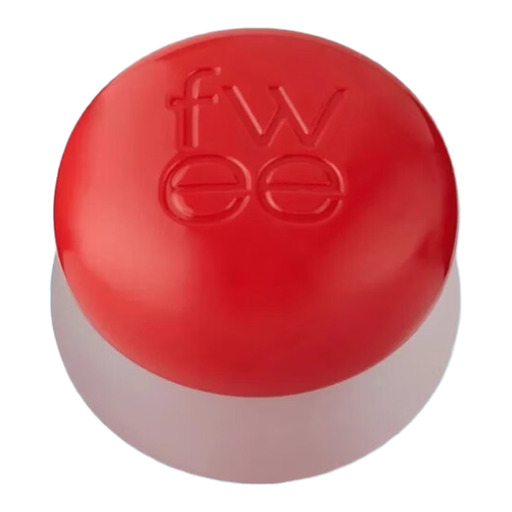
Why it suits this shopper: The 2-in-1 format is ideal if you want to create a lip and cheek look with one compact pot. According to the product description, the buildable texture can be applied with your fingers or a brush.
Taking a small amount and applying it in layers helps prevent the colour from looking too intense on the first application. The manufacturer describes the shade as soft matte and easy to blend.
2-in-1 use, 5 g of product, a pudding-like cream-to-powder texture and buildable coverage, according to the product details.
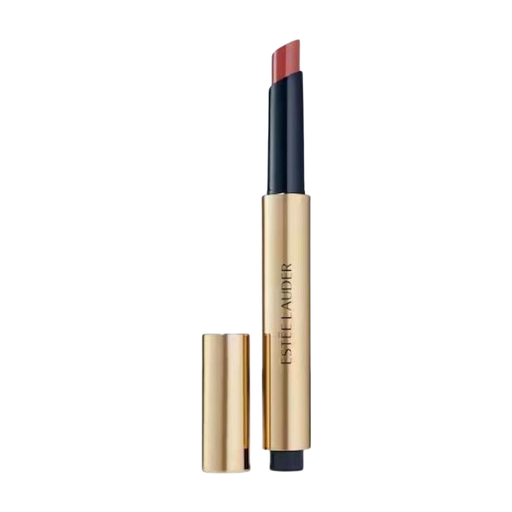
Why it suits this shopper: This product is for anyone who prefers a glossy lipstick with a balm-like application. It’s primarily a lip product, so it isn’t a full lip and cheek colour.
Its clear focus on the lips helps prevent you from mistakenly choosing a gloss as a blusher for both lips and cheeks. The product description states that it offers light to medium, buildable coverage.
1,8 g of product, a click-dispensing mechanism and a glossy finish. According to the product details, it can be worn alone or over lipstick.
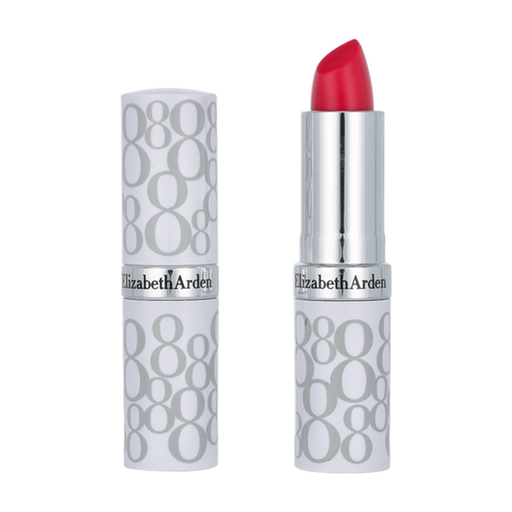
Why it suits this shopper: This stick is designed for frequent reapplication to the lips. It combines a subtle tint with the SPF 15 rating stated by the manufacturer.
The product is clearly described as a tinted lip balm. This helps you avoid confusing a nourishing colour stick with a genuine 2-in-1 product for the cheeks.
3,7 g of product, direct application from the stick, a subtle tint and SPF 15, according to the product description. It isn’t marketed for use on the cheeks.
We’ve put together a complete, regularly updated list of products that meet these strict selection criteria and fully comply with the safety regulations in force in the EU.
No. Only use a product on both your lips and cheeks if the manufacturer explicitly says it’s suitable for both. A glossy lipstick or tinted lip balm may feel too rich on the cheeks or dry unevenly.
Wear time varies depending on the formula, how you apply it and your day-to-day activities. Eating, drinking, skincare, heat and friction can all affect the colour’s intensity. Only the product’s own labelling can provide specific guidance; also check the PAO symbol and the instructions on the packaging.
A buildable cream or pudding texture is often easy for beginners to control. A stick allows you to apply the colour directly, while liquid blusher usually needs to be dispensed especially carefully. The best choice depends on the finish you want, how it feels on your skin and whether it’s specifically intended for your chosen use.