
Lieferung heute & morgen

Qualitätsgarantie

Willkommens-Angebote freischalten: KOSTENLOSE Lieferung | Bis zu 80 % RABATT | Kostenlose 30-Tage-JoyPlus-Testphase
App herunterladen
A good lip balm is an indispensable part of your daily routine. But the market is saturated with products that promise a quick fix for dry lips, yet often fail to deliver. Many of us know the feeling: you own a whole collection of lip balms, but none of them seem to truly work. Before you make another impulse buy, it's helpful to understand the most common pitfalls.
As your Joybuy Product Recommendation Officer, I have analysed the most common product features to provide you with objective guidance.
Common Pitfalls When Buying Lip Balm:
To make an informed decision, it's essential to look at how products work and what they contain. An effective lip balm typically combines two types of ingredients to both provide and lock in moisture.
Good lip care for dry lips should do more than just apply a greasy layer. Look for a balanced formulation:
Depending on your lifestyle and individual needs, other features may be important:
Based on these objective criteria, we have identified some products that are suitable for different user profiles and needs.
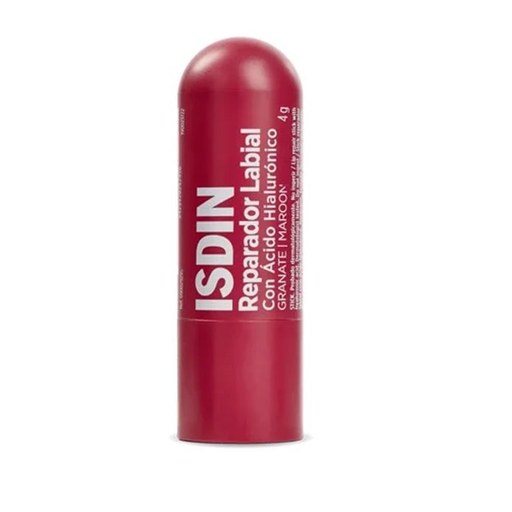
Why This Fits Their Persona: Ideal for users looking for a hassle-free solution for both care and colour. This product combines the moisturising effect of a balm with a subtle tint suitable for daily use at the office or for leisure.
The formula contains sodium hyaluronate (a form of hyaluronic acid) that actively binds moisture instead of just superficially sealing the lips. This avoids the drying effect found in many tinted products.
Combines intensive hydration with repairing properties and a hint of colour. Contains nourishing lipids like shea butter and jojoba oil.
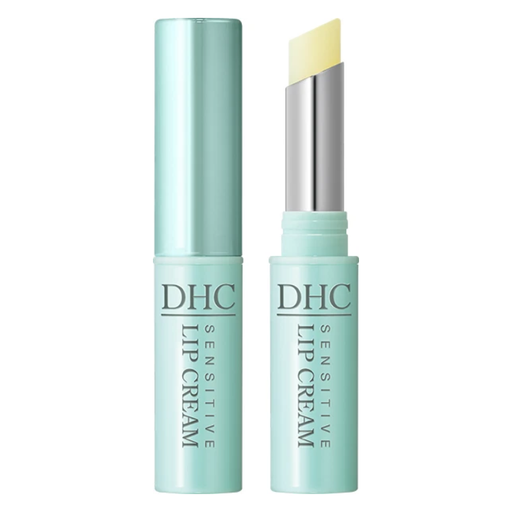
Why This Fits Their Persona: Designed for individuals with very sensitive lip skin prone to dryness and cracking, who react to fragrances, colourants, and other potential irritants.
This product strictly avoids the fragrance and irritant trap. It is free from perfume, colourants, parabens, and alcohol. The hypoallergenic formula minimises the risk of irritation.
Classified as a "quasi-drug" in Japan, the formula aims to support the natural barrier function of the lips. The texture is non-sticky and forms an invisible protective film.
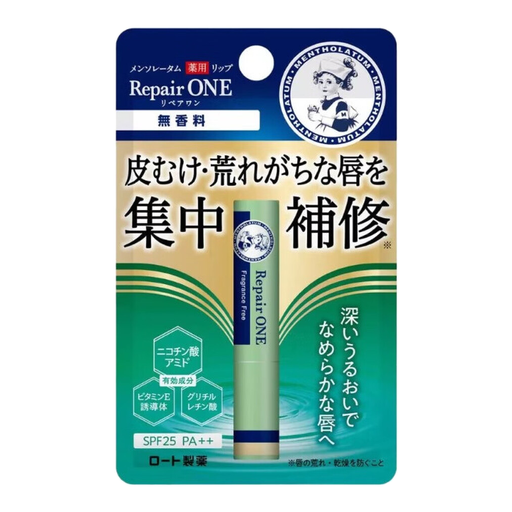
Why This Fits Their Persona: Suitable for those who need intensive care for flaky and chapped lips and also want reliable daily sun protection without resorting to fragrances.
This product goes beyond a purely occlusive effect. It combines a rich base with three active ingredients (Niacinamide, Glycyrrhetinic Acid, Vitamin E derivative) and SPF to actively repair and protect the lips.
Offers a multi-functional solution: intensive hydration, repair through active ingredients, and sun protection with SPF25 PA++. The fragrance-free formula is also suitable for sensitive users.
For users with sensitive skin, finding the right combination of care and colour can be a challenge. We have compiled a list of products specifically designed for this need.
The frequency of application depends on the condition of your lips and your environment. As a general guideline, apply the balm whenever your lips feel dry or tight. Applying it in the morning, after meals, and before bed is a good baseline. In cases of strong sun exposure or in cold, dry air, more frequent application may be necessary, especially for products with SPF.
Yes, certain formulations can have this effect. Products that are based mainly on simple occlusives like paraffin, without containing hydrating ingredients, can disrupt the skin's self-regulation. Likewise, ingredients such as menthol, camphor, or certain fragrances can irritate the lips and lead to a vicious cycle of dryness and reapplication. Choosing a product with a balanced formula is therefore crucial.
A lip balm is designed for daily use and protection throughout the day. It typically has a lighter texture and is applied multiple times as needed. A lip mask, on the other hand, is a more intensive treatment, typically applied overnight. It has a richer, often thicker consistency and contains a higher concentration of nourishing and repairing ingredients to intensively treat the lips during the nightly regeneration phase.