
Lieferung heute & morgen

Qualitätsgarantie

Willkommens-Angebote freischalten: KOSTENLOSE Lieferung | Bis zu 80 % RABATT | Kostenlose 30-Tage-JoyPlus-Testphase
App herunterladen
Dry lips are often caused by cold air, wind, dry indoor air or frequently wetting them with your tongue. However, when buying lip balm, it is not just the fragrance, packaging and marketing claims that matter. A product may leave a pleasant shine but provide too little protection for very chapped lips. Conversely, menthol, camphor or fragrances may irritate sensitive lips.
Three common buying misconceptions are particularly important:
For a lip balm for dry lips, nourishing and protective ingredients are relevant. These include shea butter, plant oils, squalane, beeswax and petrolatum, for example. They can form a protective film and help limit moisture loss. However, the specific effect depends on the complete formulation and individual tolerance.
If you are looking for lip care for chapped lips, you should also consider the texture. A stick is practical for use on the go and can be applied without touching your lips with your fingers. A balm in a pot may be suitable for use at home, but requires clean hands or an applicator.
If you have sensitive lips, look out for terms such as parfum, menthol, camphor, essential oils, limonene, linalool and lanolin. These ingredients are not inherently problematic, but they may be relevant if you have an individual sensitivity.
A lip balm for sensitive lips should ideally have a straightforward formulation. According to the product information, DHC Medicated Lip Balm Sensitive is described as free from fragrance, colourants, parabens and alcohol. At the same time, the product contains liquid lanolin as an active ingredient. If you are sensitive to wool wax, this ingredient should be taken into account.
A tinted lip balm combines care with a cosmetic effect. The colour is usually more subtle than that of a classic lipstick and may look different depending on your natural lip colour. Colour pigments are not a substitute for sun protection.
For spending time outdoors, a clearly labelled lip balm with SPF is more suitable than a product without a stated UV protection level. The selection includes options such as Blistex MedPlus Cooling Care with SPF 15 and mentholatum Flash Tint with SPF 26 PA+++. The stated sun protection factor refers to the product labelling; regular reapplication may be necessary after eating, drinking or rubbing.
The recommendations below group products according to specific usage situations. The key factors are product information, pack size, ingredients, texture and stated additional functions.
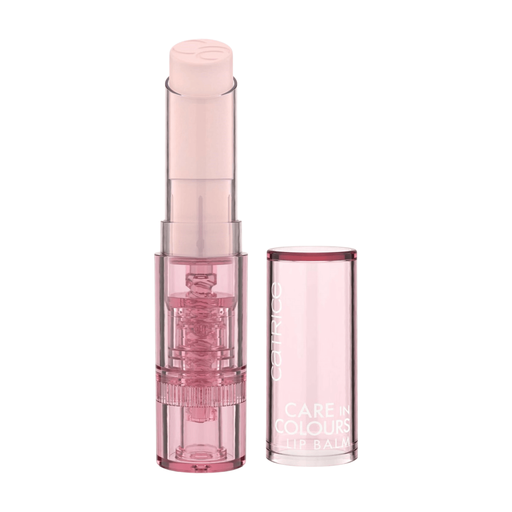
Why this product suits this profile: The 3-g stick is designed for daily use and as a base under lipstick. Its nude shade provides a subtle touch of colour.
The product information mentions care, moisturisation and repeated application. No stated sun protection factor is provided, so none is assumed.
3 g content, tube format, nude colour and, according to the product information, suitable for all skin types.
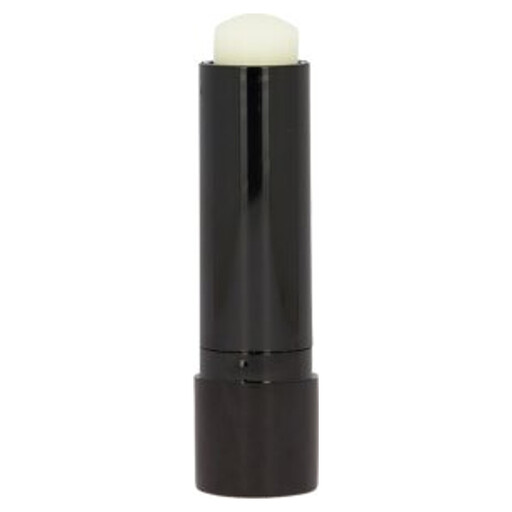
Why this product suits this profile: According to the product description, the stick combines 99% ingredients of natural origin with shea butter, sweet almond oil and castor oil.
The ingredients list is available and does not list mineral oil. However, fragrance is included and should be considered if you have sensitive lips.
4.5 g content, stick format, plus shea butter and sweet almond oil according to the product information.
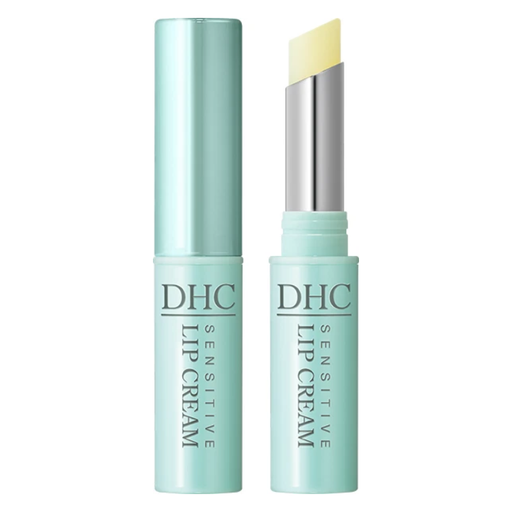
Why this product suits this profile: The product description is aimed at sensitive lips prone to dryness and roughness. According to the supplier, it is a Japanese quasi-medicinal product.
The labelling specifies exclusions such as fragrance and colourants. Liquid lanolin remains a potentially relevant ingredient to check.
Fragrance-, colourant-, paraben- and alcohol-free formulation according to the product information; designed for a thin application.
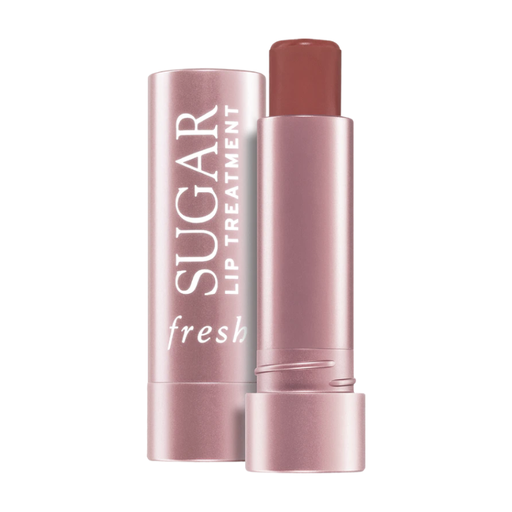
Why this product suits this profile: According to the product information, the tinted lip balm combines a subtle Petal shade with lip care and can be worn alone or under lipstick.
The colour is treated as a tint, not as a substitute for SPF. Fragrance, beeswax and declared fragrance allergens should be taken into account in the ingredients list.
4.3 g content, tint suitable for different skin tones according to the supplier, and use as a base under lipstick.
We have put together a complete, regularly updated list of products that fully meet these strict selection criteria and the safety regulations applicable in the EU.
Lip balm should be applied in a thin, even layer. If your lips need intensive care, you may need to reapply after eating, drinking or spending time outdoors. Only twist sticks up by a few millimetres, otherwise they can break more easily.
Store lip care in a cool, dry place protected from direct sunlight. A hot car can liquefy or distort the texture. Shelf life depends on the best-before date, batch information and the PAO symbol on the packaging. If the smell, colour or consistency changes, stop using the product.
Stop using the product if persistent redness, swelling, itching, pain or open areas develop. A cosmetic or medicated lip balm is not a substitute for medical advice.
This depends on the texture, your surroundings and your personal needs. It is common to apply it after washing, before spending time outdoors, and after eating and drinking. If you are using a product with SPF, follow the stated protection guidance in line with the application instructions.
Refer to the open-jar symbol on the packaging. The best-before date and batch number are also important. Heat, direct sunlight and frequent contact can affect product quality.
“Natural” does not automatically mean well tolerated. For sensitive lips, a fragrance-free formulation with clearly listed ingredients may be a sensible choice. Nevertheless, check all ingredients and stop using the product if you experience a reaction.