
Lieferung heute & morgen

Qualitätsgarantie

Willkommens-Angebote freischalten: KOSTENLOSE Lieferung | Bis zu 80 % RABATT | Kostenlose 30-Tage-JoyPlus-Testphase
App herunterladen
Dry, chapped or cracked lips are often caused by cold air, wind, dry indoor air or frequently moistening the lips with your tongue. A lip balm for dry lips can help to cover the surface of your lips with a protective layer. However, not every formula is suited to every skincare need.
If you focus only on fragrance, shine or familiar brand names, you may overlook important details. The following selection criteria will help you compare lip care products objectively and avoid unnecessary disappointing purchases.
A glossy film can make your lips look well cared for, but on its own it says little about the formula. For dry lips, nourishing oils, waxes, butters or skin-identical lipids are particularly relevant. A glossy finish may be an added benefit, but it should not be the only selection criterion.
Perfume, essential oils, menthol or camphor can change how a product feels when applied. However, these ingredients may be undesirable for sensitive lips. If you are looking for a lip balm for sensitive lips, check the complete INCI list and consider choosing a fragrance-free option wherever possible.
Formulas with a low melting point glide comfortably over the lips, but may become misshapen or break in warm conditions. Products such as creamy melting balms should not be stored in the car, on a windowsill or in direct sunlight. With sticks, it is also advisable to twist up only a few millimetres at a time.
For care for chapped lips, a combination of replenishing and protective ingredients makes sense. These include, for example:
Individual tolerance is crucial. A long ingredients list does not automatically mean that a product is better suited to your needs.
For dry, cracked areas on the lips, the formula should ideally be straightforward. In particular, check whether it contains Fragrance/Parfum, Limonene, Linalool, Menthol, camphor or essential oils. This is not an automatic reason to rule out a product, but it can be an important consideration for sensitive skin.
If you have known allergies, the manufacturer's product information and the packaging should be your main points of reference. If redness, swelling, pain or open areas persist, discontinue use of the product and seek medical advice if necessary.
A lip balm with SPF is suitable for situations involving increased UV exposure. The stated sun protection factor should be clearly identifiable on the packaging. When spending longer periods outdoors, regular reapplication is necessary, particularly after eating and drinking.
A tinted lip balm or a Korean lip balm with a glossy finish can combine care with a subtle hint of colour. If you are looking solely for simple protective care, a colourless and preferably fragrance-free formula is often the clearer choice.
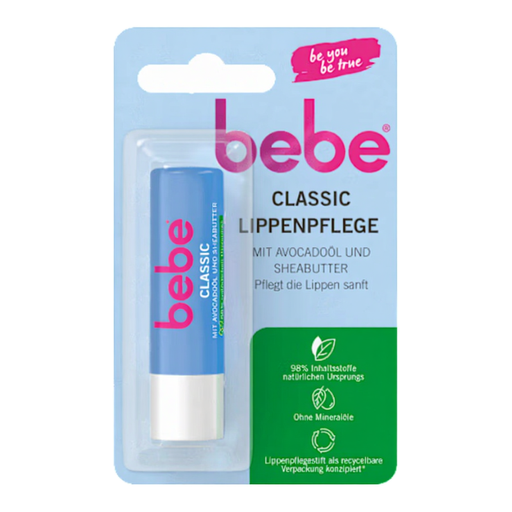
Why this product suits the profile: According to the product information, the formula contains avocado oil and shea butter and is designed for regular use. The classic stick is easy to carry in your bag.
The focus is on a straightforward care base rather than shine or colour alone. Nevertheless, the INCI list should still be checked against the packaging before purchase.
4.9 g content, stick format, plus avocado oil and shea butter according to the product description.
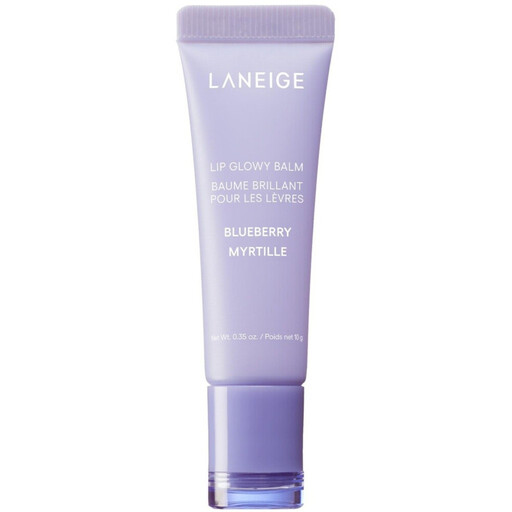
Why this product suits the profile: This balm combines shea and murumuru butter with a glossy finish and a subtle violet tint. It can be worn alone or as a base beneath lip colour.
The nourishing properties are described through specific ingredients. As the product contains fragrance, people with sensitive lips should check the INCI list.
10 g content, shea and murumuru butter, plus a lightly glossy, tinted finish according to the product information.
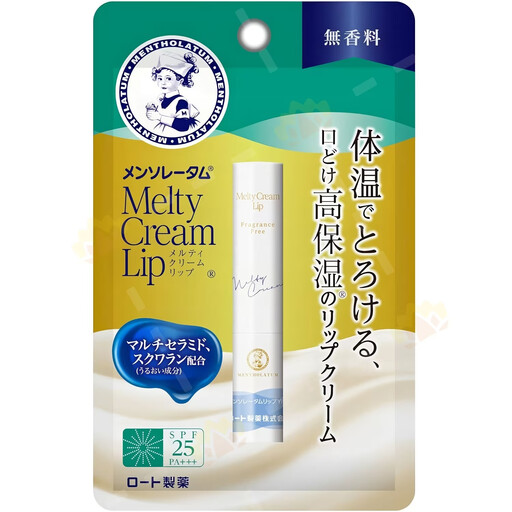
Why this product suits the profile: The product information states that it has a fragrance-free formula, contains ceramides and offers SPF25/PA+++. This makes the balm appealing to anyone who wants to combine everyday care with UV protection.
The fragrance-free formula and stated SPF are explained more clearly than a general promise of nourishment. Reapply the UV protection regularly and check the information on the current packaging.
Ceramides, fragrance-free formula and SPF25/PA+++ according to the product description.
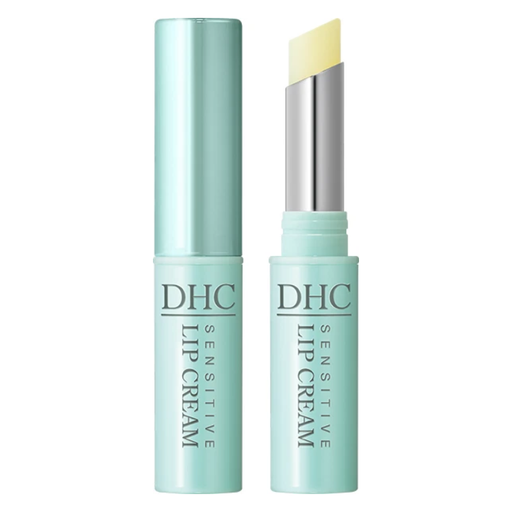
Why this product suits the profile: According to the product description, the stick is free from fragrances, colourants, parabens and alcohol. Its compact size is suitable for targeted daily use.
The product information explicitly lists several groups of excluded ingredients. However, this does not guarantee individual compatibility.
Fragrance-free, colourant-free, paraben-free and alcohol-free formula according to the product information.
We have put together a complete, regularly updated list of products that fully meet these strict selection criteria and the safety regulations applicable in the EU.
Apply lip balm in a thin, even layer. With a soft stick, 1 to 3 millimetres is usually enough. A balm twisted up too far may break or may not twist fully back down.
For hygienic use, do not share your lip balm with other people. The lid should be closed after every use. With tinted or glossy products, a separate colourless balm may be more practical for overnight use.
This depends on the weather, indoor air and your personal preference. Applying it when your lips feel tight, as well as after eating or drinking, is common. For products with SPF, regular reapplication outdoors is particularly important.
The printed best-before date, batch number and, where applicable, the PAO symbol on the packaging are the key points of reference. After opening, monitor the product's consistency, smell and colour. If the product changes noticeably, it should not be used any further.
A fragrance-free, straightforward formula can be a suitable starting point. Check the INCI list for perfume, menthol, camphor and any known personal allergens. If symptoms or open areas persist, cosmetic lip care may not be enough; in that case, medical advice should be sought.