
Lieferung heute & morgen

Qualitätsgarantie

Willkommens-Angebote freischalten: KOSTENLOSE Lieferung | Bis zu 80 % RABATT | Kostenlose 30-Tage-JoyPlus-Testphase
App herunterladen
Dry, rough or chapped lips don’t automatically need a product with as many claims as possible. Often, it’s the formulation, skin tolerance and the right protective function that determine whether a lip balm is practical for everyday life. Especially in winter, with dry heating air, wind or regular sun exposure, it’s worth taking a close look at the packaging information.
Menthol, camphor or essential oils often create a cooling or prickly feeling. That can be pleasant, but it’s not objective evidence of better care performance. On sensitive lips, such ingredients can also feel irritating. A lip balm with menthol is therefore mainly useful if you want that sensory effect and your lips tolerate it well.
Labels like medicated lip balm or “medicated” shouldn’t be taken as a personal treatment recommendation. What matters are the specific ingredients, usage instructions and warnings on the packaging. For open sores, severe swelling, recurring problems or persistent changes, you should seek medical advice.
A tinted lip balm can provide colour and shine, but it doesn’t necessarily contain a UV filter. Conversely, a lip balm with SPF can be colourless. If you’re looking for lip care for time outdoors, look for a specific claim like SPF 15, SPF 25 or SPF 26 as well as the manufacturer’s instructions. Products often need to be reapplied after eating, drinking or spending time in water.
For dry lips, protective, re-fatting ingredients such as petrolatum, waxes, shea butter, squalane or plant oils are often relevant. They can form a film on the lip surface and limit drying out in everyday life. Moisturising ingredients like panthenol or certain humectants complement the formulation.
For lip care for sensitive lips, a short ingredient list is advisable. In particular, check whether fragrances, menthol, camphor, eucalyptus oil, essential oils or salicylate derivatives are included. “Fragrance-free” doesn’t mean “irritant-free for everyone”, but it can be a useful selection aid.
An SPF value describes the stated UVB protection. Additional ratings like PA+++ refer to UVA protection according to the respective labelling system. Protection also depends on the amount applied and how often you reapply. A balm with SPF doesn’t replace general caution in intense sun.
Lip balm is available as a stick, tube or pot. A stick is hygienic on the go and quick to apply. Tubes allow a measured, thin layer, while pots are usually applied with fingers and therefore require clean hands.
Pay attention to the net fill quantity, the stability of the stick and storage instructions. Soft formulations should only be twisted out a few millimetres and protected from heat. In the car, in direct sun or near a heater, they can deform or melt.
The following selection organises products according to specific requirements. The information is based on the respective product details; the full ingredient list and warnings on the packaging remain definitive.
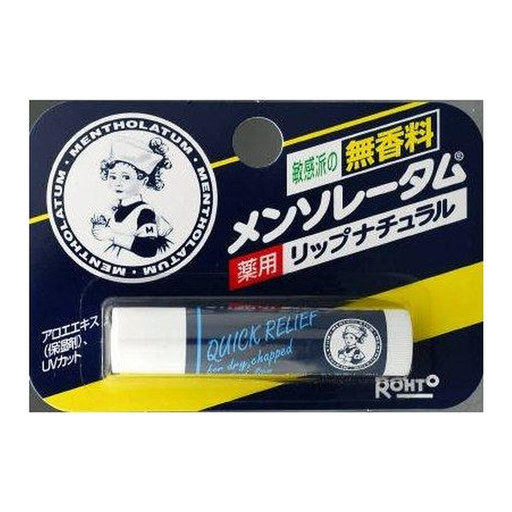
Why this product fits the profile: The compact stick format and 4.5 g content make it suitable for straightforward everyday lip care. The product details mention an unscented formulation with camphor and menthol.
The “unscented” label makes it easier to find a product without added fragrance. However, menthol and camphor are explicitly present, so be aware if sensitive lips react to cooling ingredients.
Protective ingredients including White Petrolatum, Lanolin and Paraffin; apply as needed.
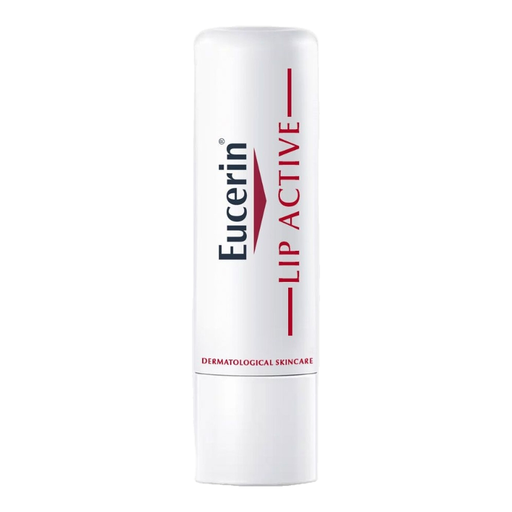
Why this product fits the profile: The product description mentions panthenol, tocopherol and UV filters. This makes the stick interesting for people who want to combine daily care with additional sun protection.
The UV protection is explicitly stated in the product details, rather than just advertising general outdoor suitability. However, the ingredient list contains aroma and should be checked if you are sensitive to fragrances.
Stick for frequent application; panthenol, tocopherol and stated UV filters.
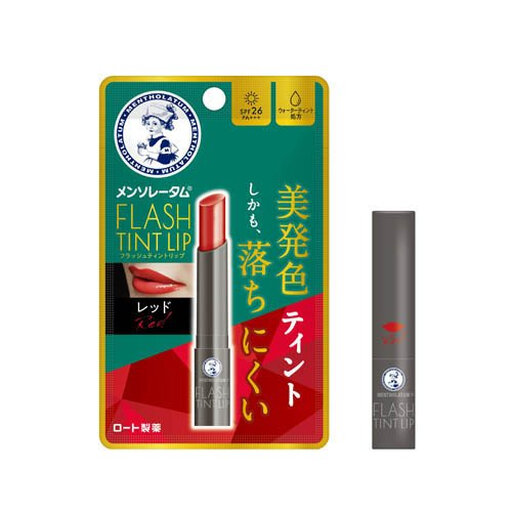
Why this product fits the profile: According to the product description, this tinted lip balm combines a red water tint, six oils and SPF26 with PA+++. It’s aimed at people who want to combine lip care with subtle colour.
The specific SPF and PA rating prevents confusion between tint and UV protection. The colour may vary depending on lip moisture; discontinue use if irritation occurs.
Fragrance-free according to product details; SPF26/PA+++ and buildable red tint.
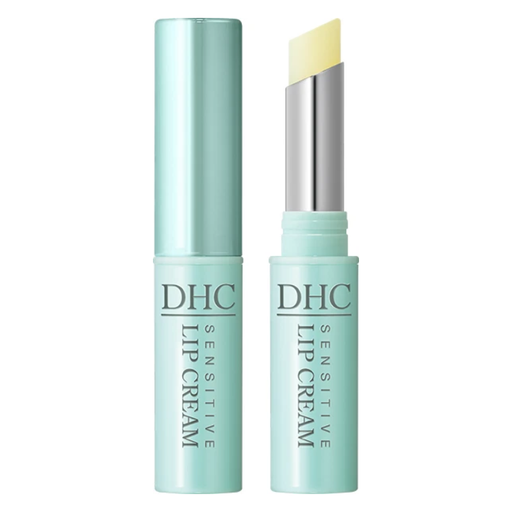
Why this product fits the profile: The details mention a fragrance-free, colourant-free, paraben-free and alcohol-free formulation with liquid lanolin as the active ingredient. This may be of interest to people who prefer a pared-down formula.
The product description explicitly notes the limitations of tolerance and allergy tests. Do not use or discontinue use on wounds, eczema or if reactions occur.
Fragrance-free and colourant-free claims; thin application and compact 1.5 g pack.
We’ve put together a full, regularly updated list of products that fully meet these strict selection criteria and the safety regulations in force in the EU.
Apply the balm thinly and evenly. With SPF products, plan to reapply after eating, drinking or swimming. Don’t twist a stick out too far, as the soft formula can break off. Store lip care in a dry, cool place away from direct sunlight.
The exact best-before date, batch number and, where applicable, the symbol for shelf life after opening are on the packaging. If the smell, colour or consistency changes, or if skin reactions occur, stop using the product.
A fixed number isn’t useful for all products and situations. Apply the balm as needed, especially in wind, cold, dry indoor air, and after eating or drinking. For SPF products, also follow the manufacturer’s application instructions.
Look for a short ingredient list and check whether fragrances, menthol, camphor or essential oils are included. A fragrance-free lip balm can be a suitable option, but it doesn’t guarantee individual tolerance. If you have a known lanolin or other contact allergy, read the ingredient list particularly carefully.
The printed expiry date and the PAO symbol on the packaging are definitive. Heat, direct sun and frequent contamination can affect product quality. Close tubes and sticks after each use and, for hygiene reasons, don’t share lip care with others.