
Lieferung heute & morgen

Qualitätsgarantie

Willkommens-Angebote freischalten: KOSTENLOSE Lieferung | Bis zu 80 % RABATT | Kostenlose 30-Tage-JoyPlus-Testphase
App herunterladen
Dry, chapped lips are often caused by cold air, wind, dry indoor air or frequently wetting them with your tongue. A lip balm can provide daily lip care in these situations – provided the texture, ingredients and application suit your personal needs. Even a product with attractive packaging or a natural-looking sheen is not automatically suitable for every situation.
A glossy finish can look appealing, but it says little about the product’s protective properties. Shimmering or tinted lip balms often contain additional pigments, fragrances or decorative ingredients. If you have sensitive lips, it is therefore worth checking the full INCI list rather than simply relying on the term ‘caring’.
Plant oils, bee products and essential oils can all form part of a natural lip-care routine. However, they are not equally suitable for everyone. If you are prone to irritation, pay particular attention to fragrances, essential oils and honey or propolis ingredients.
Lip balm with a melting cream texture is easy to apply. However, at high temperatures the stick may become softer or break if too much product is twisted up. Some products specifically recommend twisting up only around 1 to 3 mm and protecting the packaging from direct sunlight.
For caring for dry lips, replenishing ingredients are important. These include shea butter, squalane, plant oils, waxes and petrolatum, for example. They can form a film on the surface of the lips and reduce moisture loss. Always check the specific formulation on the packaging, as recipes can change.
For sensitive lips, products without added fragrances or colourants are often easier to assess. However, a formula described as ‘hypoallergenic’ or ‘sensitive’ is not a guarantee of individual tolerance. If burning, redness, itching or swelling occurs, stop using the product.
A lip balm with SPF can be useful when spending time outdoors, such as hiking, cycling or taking part in winter sports. Look for specific labelling such as SPF 20 or SPF 25, as well as the UVA indication. Sun protection does not replace regular reapplication, particularly after eating or drinking.
Not every lip balm is designed to provide UV protection. A classic care stick without a stated SPF should therefore not be considered a lip-care product with sun protection.
Sticks containing 1.5 to 2.4 g are compact and suitable for keeping in your handbag. Tubes or larger packs may be better suited to use at home. A firm texture is generally convenient when you are out and about, while a lip balm with a ‘Melty’ formula glides softly over the skin but may be more sensitive to temperature.
For a caring tinted or glossy lip balm, you should also check:
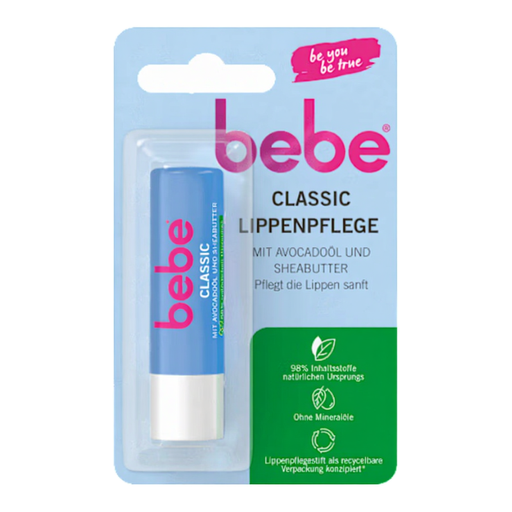
Why this product suits the profile: This classic care stick is a straightforward option for daily lip care. According to the product description, the formula contains 98% ingredients of natural origin, along with avocado oil and shea butter.
The formula and product quantity are clearly stated. According to the product information, the stick is mineral-oil-free and intended for use as needed.
4.9 g of product, a subtle care formula and dermatologically tested skin tolerance, according to the manufacturer.
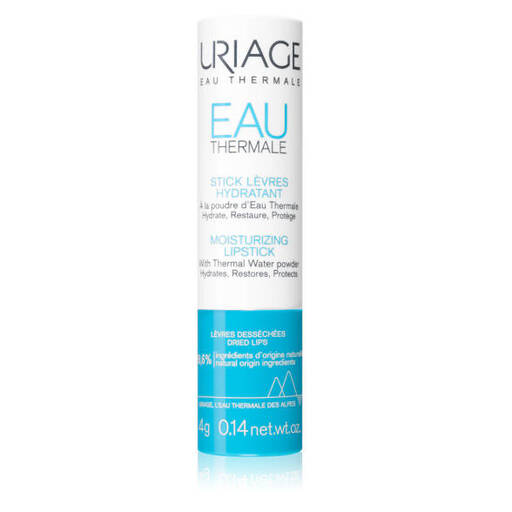
Why this product suits the profile: The product description lists Uriage thermal water, shea butter, borage seed oil and vitamins C and E. The creamy texture is intended for regular use on dry lips.
The information about texture, use and warnings is specific and clearly worded. This makes it easier to assess whether a rich lip balm fits into your personal care routine.
4 g of product, a creamy application and several replenishing ingredients according to the INCI list.
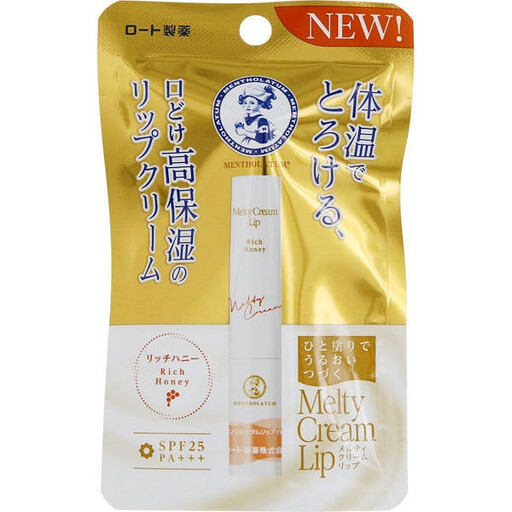
Why this product suits the profile: According to the product information, this lip balm combines moisturising care with SPF 25 and PA+++. It is suitable for people who spend a lot of time outdoors in everyday life and prefer clearly stated UV protection.
The UV protection is clearly stated as SPF 25 and PA+++. Because of the soft formula, only a small amount should be twisted up and the stick should be stored in a cool place.
SPF 25, PA+++ plus ceramides, squalane and honey, according to the product description.
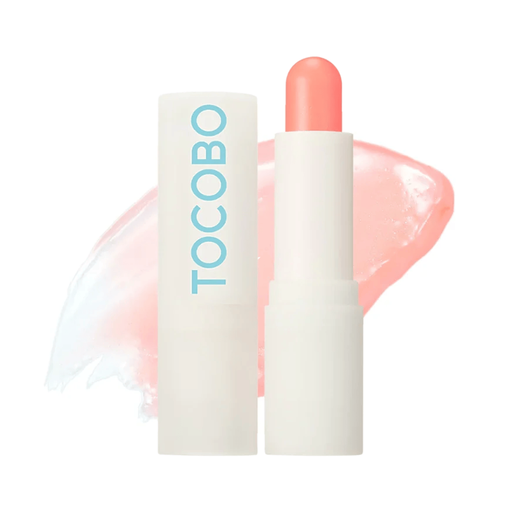
Why this product suits the profile: According to the product description, this tinted lip balm is designed to moisturise while adding a subtle coral shade and shine. It can be worn alone or used as a caring base underneath lip colour.
The decorative and caring functions are clearly distinguished. If you have sensitive lips, you should still check the fragrance and ingredient information before using it regularly.
Shea butter, jojoba oil and hyaluronic acid according to the product description, plus a subtle tint and glossy effect.
We have put together a complete, regularly updated list of products that fully meet these strict selection criteria and the safety regulations applicable in the EU.
Apply the lip balm in a thin, even layer. If your lips are very dry, reapplying after eating, drinking or spending time outdoors can be useful. A product with SPF should also be reapplied after these situations.
Do not keep soft formulas in a heated car or on a sunny windowsill. With a stick, a few millimetres are usually enough. This prevents the bullet from breaking or becoming impossible to twist back down. If the skin is cracked or severely irritated, follow the relevant warnings.
This depends on the formula and your individual circumstances. Many products are intended for use as needed. A further thin layer may be useful in windy or cold weather, in dry heated air or after eating.
The expiry date, batch information and – where available – the symbol indicating the period after opening are the key details. Check the packaging of the specific product. If the smell, colour or texture changes, stop using the lip balm.
A relatively simple, fragrance-free formula can make choosing easier. Fragrances, essential oils, menthol, camphor, honey or colour pigments may not suit some people. Individual tolerance is what matters; if symptoms persist, seek medical advice.