
Lieferung heute & morgen

Qualitätsgarantie

Willkommens-Angebote freischalten: KOSTENLOSE Lieferung | Bis zu 80 % RABATT | Kostenlose 30-Tage-JoyPlus-Testphase
App herunterladen
Dry, chapped lips aren’t caused by cold weather or dry indoor air alone. UV rays can also take their toll on your lips, especially when you’re hiking, cycling, enjoying winter sports or spending long periods outdoors. A lip balm with sun protection therefore offers two benefits: care and UV protection.
However, eye-catching claims don’t always point you towards the right product. Three things are often overlooked:
Knowing what to look out for makes it easier to choose SPF lip care to suit your daily routine, how your lips feel and the finish you want.
The SPF rating mainly indicates protection against UVB rays. An SPF 20 or SPF 25 lip balm may be enough for your daily trip around town, while an SPF 30 or SPF 50 lip balm may be a better choice in strong sunshine.
It’s also important to check the UVA protection labelling. Products from Japan often have an additional PA rating, such as PA+++ . Don’t assume this is directly equivalent to the European UVA circle, as different labelling systems are used. Check the information on the packaging and follow the manufacturer’s instructions.
An SPF of 50 doesn’t mean a product will provide the same protection all day. Reapply after eating, drinking or wiping your lips.
Lip care for dry, chapped lips often includes protective and moisturising ingredients. These may include petrolatum, wax, squalane, shea butter, jojoba oil or plant oils. Glycerin can help attract and retain moisture.
If you have sensitive lips, it’s worth checking the full INCI ingredient list:
Always check the product packaging, as formulations and ingredient lists can change. Stop using the product if you experience a burning sensation, redness, itching or swelling. Cosmetic lip care may not be suitable for lips that are already sore or have noticeable changes.
A tinted lip balm can combine lip care with a subtle wash of colour. Water-based tints may react to the moisture in your lips, so the colour can vary. If you prefer a natural-looking shade you can control, start by applying a thin layer.
Very soft sticks need extra care. Some Japanese lip balms start to melt at body temperature. This makes them glide on easily, but also increases the risk of the stick breaking if you twist it up too far. For many soft formulas, two to three millimetres is enough. High temperatures in the car or direct sunlight can also affect the texture.
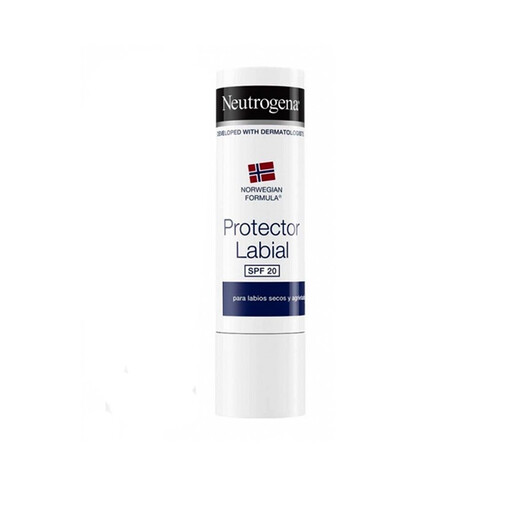
Why it suits this profile: This stick combines SPF 20 with a classic lip-care formula. It’s designed for everyday use around town or on short trips.
The stated SPF makes its level of protection easier to compare than a general claim such as “Sun Care”.
Stick format, SPF 20 and moisturising ingredients such as glycerin; product information lists fragrance.
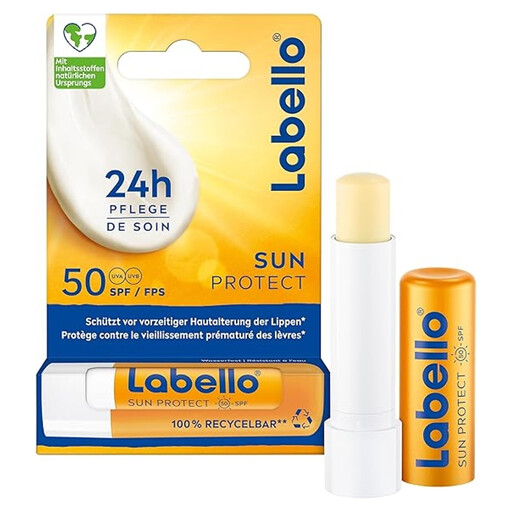
Why it suits this profile: With its stated SPF 50, this balm is aimed at people who prefer a high SPF for longer periods in the sun.
The specific SPF 50 label helps distinguish a defined level of protection from a general lip-care claim.
SPF 50, 4.8 g and instructions to reapply after eating, drinking, sweating or drying your lips.
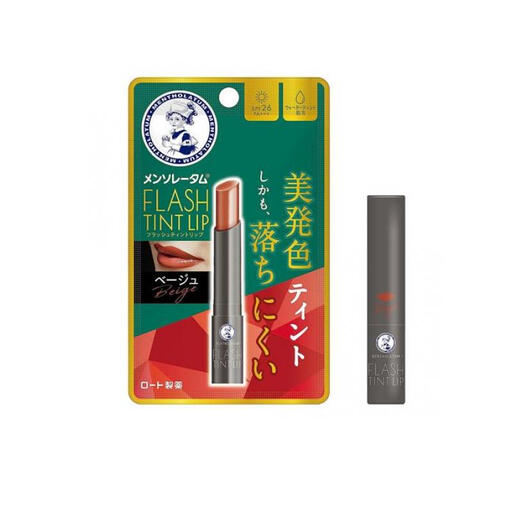
Why it suits this profile: The combination of tint, SPF 26, PA+++ and a fragrance-free formula suits people who reapply frequently on the go and want colour without traditional lipstick.
Instructions to apply a thin layer and twist the stick up carefully help reduce the risk of damaging the soft stick by applying too much pressure.
Water-based tint, SPF 26, PA+++ and a fragrance-free formula; available in several shades.
We’ve put together a comprehensive, regularly updated list of products that meet these strict selection criteria and fully comply with the safety regulations in force in the EU.
Apply the lip balm evenly before heading outdoors. If you’ll be in the sun for a long time, reapply regularly. It’s a good idea to apply another layer after eating, drinking, swimming or wiping your lips.
Store the stick somewhere cool and dry. Direct sunlight and high temperatures can deform soft formulas. You’ll find the best-before date, batch number and instructions for use after opening on the packaging. If you have sensitive lips, it’s also worth testing decorative formulas on a small area first.
It depends on how long you’ll be outside, the strength of the sun and your personal preferences. SPF 20 to SPF 26 may be suitable for short everyday trips. For the beach, mountain areas or longer periods outdoors, consider an SPF 30 or SPF 50 lip balm. Whatever the SPF, you’ll need to reapply regularly.
There isn’t one set time interval that applies to every product. Follow the manufacturer’s instructions and reapply after eating, drinking, swimming, sweating or wiping your lips. Keeping a small stick in your bag makes it easier to apply when you’re out and about.
Not necessarily, but a fragrance-free formula may reduce the number of potentially irritating fragrance ingredients. Other ingredients can also cause a reaction, depending on the person. If irritation occurs, stop using the product and check the ingredient list.