
Lieferung heute & morgen

Qualitätsgarantie

Willkommens-Angebote freischalten: KOSTENLOSE Lieferung | Bis zu 80 % RABATT | Kostenlose 30-Tage-JoyPlus-Testphase
App herunterladen
Lip gloss can add a sheer shine, build up colour or act as a finishing layer over lipstick. At the same time, products can vary considerably in feel, coverage, ingredients and application. If you focus only on terms such as “High Shine” or “Plumping”, you may easily end up with a texture that is too sticky for everyday wear, a colour that does not suit the look you want, or a product containing ingredients unsuitable for sensitive lips.
A glossy finish initially tells you only about the appearance. Whether a lip gloss also provides a pleasant conditioning feel depends on the formulation as a whole. Oils, waxes, shea butter and squalane can all affect how the product applies. The term moisturising lip gloss is therefore no substitute for checking the ingredients list.
A lip gloss with hyaluronic acid should also be viewed objectively: sodium hyaluronate or hyaluronic acid are cosmetic ingredients in the formulation. This does not imply any medical or therapeutic benefit.
The term non-sticky lip gloss describes the expected feel on the skin, but it is not a standardised technical measurement. A thin, fluid texture usually feels lighter than a thick gloss with high viscosity. When choosing, it is therefore important to consider the product description alongside how you intend to use it: for everyday wear, as a lipstick topper or for a striking evening look.
A lip gloss with a plumping effect can make lips look fuller through shine, light reflection and contouring. Depending on the product, cooling or warming ingredients may also be used. Chilli, capsicum, menthol or ginger ingredients can cause a tingling or warming sensation. If your lips are sensitive or irritated, a gloss without these additives is often the more practical choice. Stop using the product if irritation occurs.
When choosing a colour, pink lip gloss and nude lip gloss are versatile options for everyday wear. Coral, mauve and berry shades, on the other hand, add a noticeable pop of colour. A Korean lip gloss is often designed as a transparent tint, glossy lip glaze or light veil of colour, although the exact texture depends on the product.
If you are prone to dry lips, you may wish to look for conditioning ingredients such as shea butter, jojoba oil, coconut oil, argan oil, vitamin E or squalane. If you are sensitive to fragrance, check for terms such as “Parfum”, Limonene, Linalool or Geraniol. The ingredients list on the packaging is the authoritative source, as formulations can change.
It is also important to follow the instructions “for external use only”, avoid applying the product to broken skin and store it according to the packaging instructions. Claims such as “dermatologically tested” or “98% ingredients of natural origin” should be understood as specific product information, not as a guarantee of individual compatibility.
A classic doe-foot applicator distributes fluid lip gloss quickly. An XL applicator can cover larger areas in just a few strokes. Gloss sticks are compact and suitable for use on the go, while tubes or bottles with an applicator should be stored carefully upright, depending on the closure.
You should also check the quantity: the products featured range from 2.3 g or 2.5 ml up to 10 ml. A larger quantity is not automatically better value if the texture is used infrequently or needs regular reapplication.
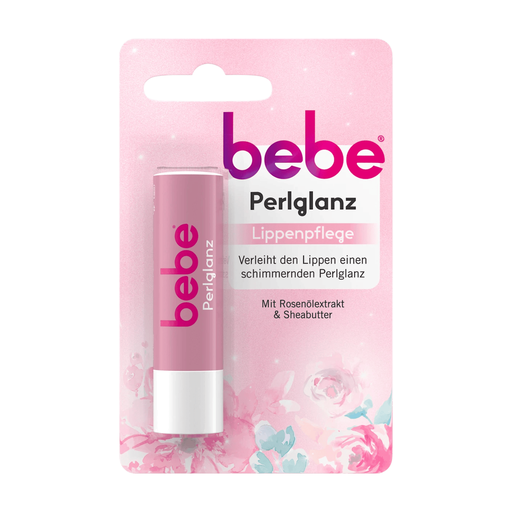
Why this product suits the profile: This compact conditioning product with a fine shimmer is suitable for anyone looking for a subtle shine without intense colour payoff.
The product description mentions a subtle shimmer rather than highly pigmented colour. This keeps the choice straightforward for understated everyday looks.
4.9 g contents, shimmer particles, shea butter and rose extract; according to the product information, 98% ingredients of natural origin.
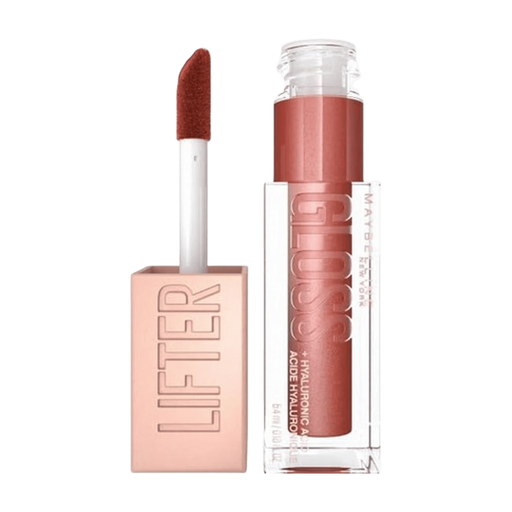
Why this product suits the profile: Suitable for anyone looking to combine shine and a warm bronze shade with a clearly stated formula containing sodium hyaluronate and vitamin E.
The information specifies the finish, ingredients and quantity. The texture is also described as non-sticky.
5.4 ml contents, XL applicator, high-shine finish, plus sodium hyaluronate and tocopherol in the ingredients list.
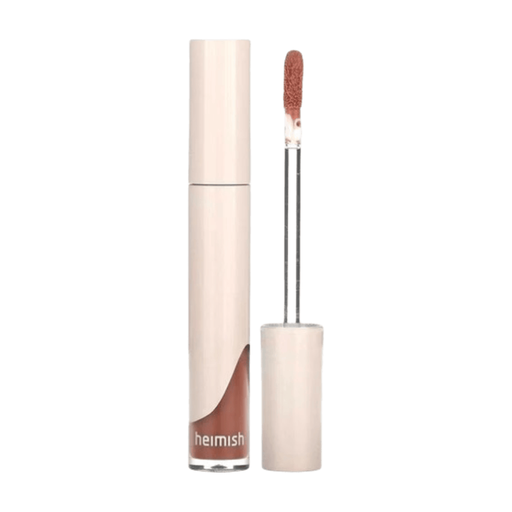
Why this product suits the profile: The nude pink shade and light, sheer veil of colour are ideal for regular touch-ups at the office, on the go or over lipstick.
The product information focuses on light coverage and a non-sticky feel rather than a strong plumping sensation.
4 g contents, nude pink shade, high shine and a light, non-sticky texture according to the description.
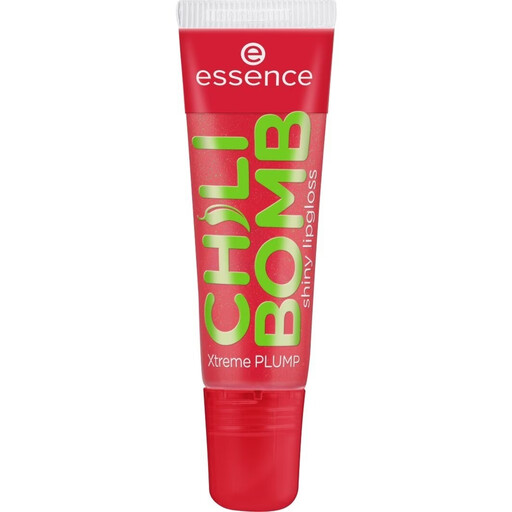
Why this product suits the profile: For anyone looking for a shimmering red shade and an explicitly described warming sensation from chilli extract.
The plumping character is not conveyed through advertising alone; the product description specifically names chilli extract. The possible warming sensation should be taken into account beforehand.
10 ml contents, medium coverage, shimmering red shade and a non-sticky texture according to the product information.
We have put together a complete, regularly updated list of products that fully meet these strict selection criteria and the safety regulations applicable in the EU.
Start with a thin layer in the centre of the lips and spread the product outwards. Excess product around the lip edges can increase the sticky feeling. With highly pigmented products, it is best to start with a small amount. Lip gloss can also be applied over lip liner or lipstick, provided the two textures work well together.
The printed best-before date or the symbol indicating the period of use after opening is decisive. Close the product after every use and store it somewhere dry, away from direct heat and sunlight. If the smell, colour or consistency changes, stop using the product.
Lip gloss usually refers to shine with sheer to medium colour payoff. A lip tint typically leaves more colour on the lips, while lip glaze often describes an especially glossy, glass-like texture. The terms are not entirely consistent across the retail sector. When buying, therefore, specific information about the finish, coverage, shade and ingredients is more important than the product name alone.