
Lieferung heute & morgen

Qualitätsgarantie

Willkommens-Angebote freischalten: KOSTENLOSE Lieferung | Bis zu 80 % RABATT | Kostenlose 30-Tage-JoyPlus-Testphase
App herunterladen
Glossy lips look effortless, but there’s plenty of choice between lip gloss, lip tint, lip oil and tinted lip balm. Claims such as “non-sticky”, “long-lasting” or “volumising” often describe only part of the product experience. If you choose based solely on colour or packaging, you could end up with a texture that doesn’t suit your everyday routine.
This buying guide explains which features to consider before you buy, which marketing claims to approach with caution, and which lip product could suit different needs.
Lip gloss needs film-forming and smoothing ingredients to help the shine stay on your lips. However, a very tacky texture can feel uncomfortable, attract hair or apply unevenly. So when choosing a non-sticky lip gloss, don’t rely on the marketing claim alone. The product type, ingredients list and directions for use can also help you decide.
Lighter lip oils and balm textures often feel more flexible. Classic lip gloss, on the other hand, can offer a stronger shine and leave a more noticeable layer.
A glossy finish can make lips look smoother, but it doesn’t prove that a product has any particular nourishing effect. Ingredients such as jojoba oil, shea butter, murumuru seed butter or tocopherol may be included in the formula. Even so, claims about care should be assessed objectively. If your lips are sensitive, it’s also worth checking for fragrance, essential oils and known allergens.
A lip tint often leaves a wash of colour behind, while the shine tends to fade sooner. Food, drink and friction all affect how long it lasts. So a long-lasting lip tint won’t necessarily look even all day. With bolder shades, start by applying a small amount and check the edges of your lips.
For a subtle everyday shade, try sheer rose, nude or peach tones. A tinted lip gloss adds more colour than a clear gloss, but is usually more sheer than lipstick. If you prefer a softer Korean-inspired make-up look, apply lip tint in small areas and blend it outwards.
Nude shades such as “Nude Grape”, “Walnut Mocha” or “Nudie Rose” work well for understated looks. Red and coral shades, on the other hand, make a more noticeable statement. For greater intensity, several thin layers are usually easier to control than one thick coat.
Before you buy, decide which finish you’re after:
A volumising lip gloss can make lips look fuller through shine and light reflection. If the formula contains chilli or capsicum extract, you may feel a tingling sensation. This doesn’t guarantee that it will suit everyone. Stop using the product if you experience burning, redness or irritation.
The full INCI list on the packaging is the one to check, as formulas can change. Check the product label itself for claims such as “vegan” or “paraben-free”. If you’re buying from abroad, it’s also worth checking the manufacturer’s details, the EU responsible person and any safety information.
For hygienic application:
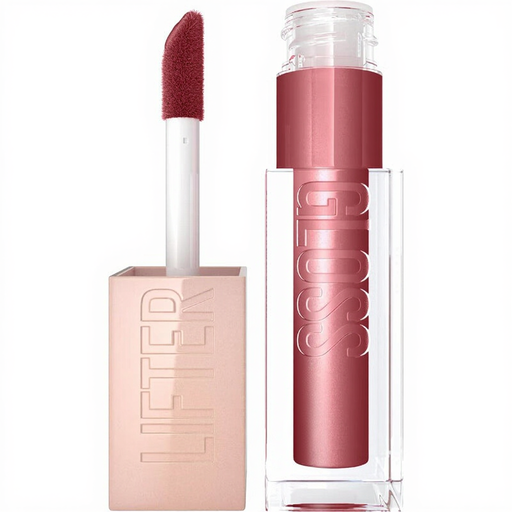
Why this product suits this need: The rosy “Petal” shade is ideal for an easy everyday look. The packaging states that it contains 5,4 ml and has an angled applicator for defining the lip line.
The shade selection is straightforward and the application is clearly described. Sodium hyaluronate and coconut oil are included in the stated INCI list, but this isn’t evidence of a medical effect.
Rose shade, 5,4 ml size and precise applicator for buildable shine.
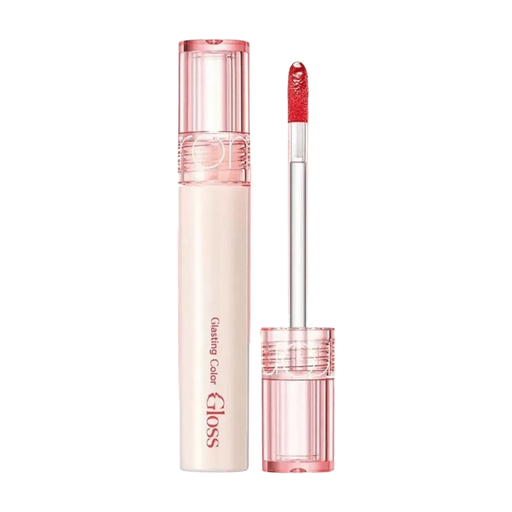
Why this product suits this need: The sheer, buildable “Spring Fever” shade is for anyone who wants to adjust the balance of shine and colour to suit their look.
The product description mentions buildable colour and a smooth texture. This lets you adjust the intensity gradually, rather than applying a very full-coverage colour straight away.
Glass-like shine, buildable colour and jojoba oil, according to the product description.
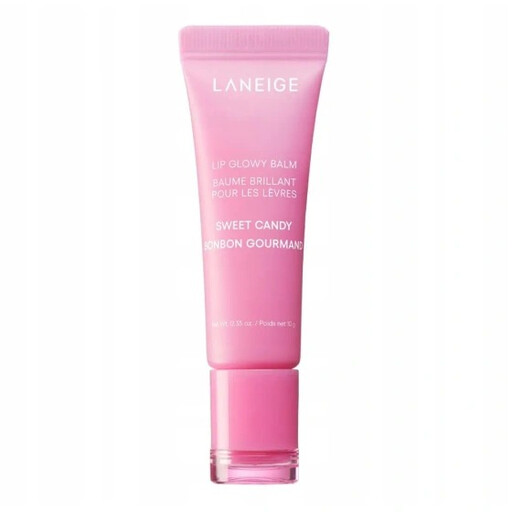
Why this product suits this need: The 10 g tube is designed for repeated application on the go. Its subtle pink tint can be worn alone or over lipstick.
The product description clearly distinguishes between shine, tint and balm benefits. According to the product information, it doesn’t contain SPF, so use a separate product if you need sun protection.
10 g size, sheer pink colour, glossy finish, plus shea butter and murumuru seed butter according to the product information.
We’ve put together a complete, regularly updated list of products that meet these strict selection criteria and fully comply with the safety regulations in force in the EU.
With glossy lip make-up, the amount you apply affects how it feels to wear. A thin layer helps stop the product gathering around the edges of your lips. For a Korean-inspired look, dab lip tint in the centre of your lips and gently blend it outwards with your finger. Finish with a clear gloss or lip oil for extra shine.
Wearing a nude lipstick under a clear or rose-toned gloss changes the depth of colour and can help define your lip line. For everyday wear, a tinted lip balm is often enough. If you have sensitive skin, take care when trying products containing fragrance or active ingredients.
The specific best-before date and the period-after-opening symbol are shown on the packaging. Heat, direct sunlight and frequently touching the applicator can affect product quality. If the smell, colour or consistency changes, stop using the product.
Lip gloss leaves a shiny layer on your lips, with coverage ranging from sheer to medium depending on the product. A lip tint adds more colour and often leaves a wash of colour behind even after the shine has faded. You can use both products together.
If your lips feel dry, consider a lip balm, lip oil or glossy balm formula. Check the full ingredients list and avoid products that have caused irritation for you before. Don’t assume a product has a nourishing effect based on its shine or marketing claims alone.