
Lieferung heute & morgen

Qualitätsgarantie

Willkommens-Angebote freischalten: KOSTENLOSE Lieferung | Bis zu 80 % RABATT | Kostenlose 30-Tage-JoyPlus-Testphase
App herunterladen
A glossy lip gloss can transform a make-up look in an instant: it catches the light, complements lipstick and makes lips appear fuller. However, when buying lip gloss, the first impression created by product photos is not the only thing that matters. Texture, ingredients, colour payoff and application all determine whether a product remains comfortable for everyday wear.
A non-sticky lip gloss can feel different depending on its formulation. Some products contain high levels of film-forming or oil-based ingredients, making them feel smooth while also causing them to cling more readily to hair or glasses. For this reason, look for specific information about the texture rather than relying solely on marketing claims.
A lip gloss with a plumping effect can make lips appear fuller through shine, light reflection or special ingredients. Products containing chilli or similar extracts may also create a warming or tingling sensation. This is not proof of quality and may feel uncomfortable on sensitive lips. Stop using the product if redness, burning or irritation occurs.
A moisturising lip gloss or a shiny lip balm may contain nourishing oils and butters. However, terms such as “Hydration” or “with hyaluronic acid” should still be considered alongside the complete INCI list. If you are sensitive to fragrance, ingredients such as “Parfum”, “Limonene” or “Linalool” may be relevant. The current list on the packaging is decisive, as formulations can change.
Light gel, balm or oil textures are well suited to everyday wear. If you talk frequently, are often out and about or have long hair, pay particular attention to choosing a non-sticky lip gloss. A gloss balm usually feels more comfortable on the lips, while classic gloss formulations can provide a more intense shine.
It is also worth considering whether you want to wear the lip gloss on its own or over a lip liner. Medium-coverage options such as the Essence Chili Bomb Shiny Lip Gloss can combine colour and shine. Transparent products, on the other hand, are easier to layer over lipstick.
A tinted lip gloss can be subtly or intensely pigmented. For everyday wear, choose a pink lip gloss or a nude lip gloss. A red lip gloss creates a stronger accent and should ideally be applied evenly.
Look out for terms such as “sheer”, “translucent”, “medium coverage” or “buildable”. A glossy lip gloss with light coverage only slightly changes your natural lip colour. Shimmer particles, mica or light-reflecting pigments, however, create visible highlights.
Shea butter, murumuru butter, jojoba oil, almond oil and vitamin E are frequently used in lip care products with a glossy finish. With a hyaluronic acid lip gloss, the presence of Sodium Hyaluronate or hyaluronic acid in the INCI list is a specific indication that the ingredient is included. However, this should not be taken to imply any medical or therapeutic benefit.
If choosing a vegan lip gloss is important to you, check the relevant labelling for the specific product. “Natural ingredients” and “plant-based oils” do not automatically mean that a formulation is vegan.
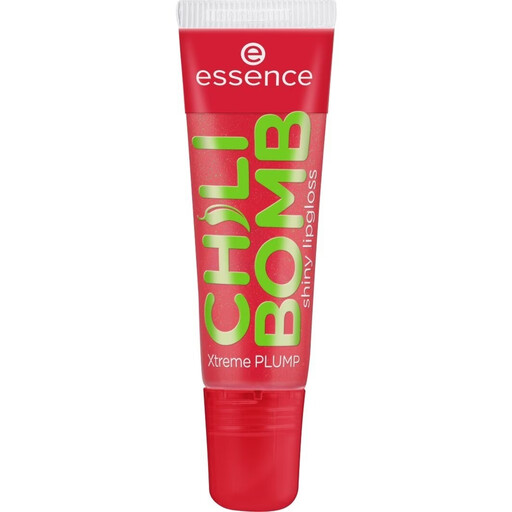
Why this product suits the profile: The 10 ml size and shade 01 Chocoholic! combine medium coverage with shimmering shine. According to the product description, the formulation is vegan and non-sticky.
The information about the vegan formulation and non-sticky texture is more specific than a general “glossy” promise. However, chilli extract may cause a warming sensation.
Vegan according to the product information, with a shimmering red shade and medium coverage.
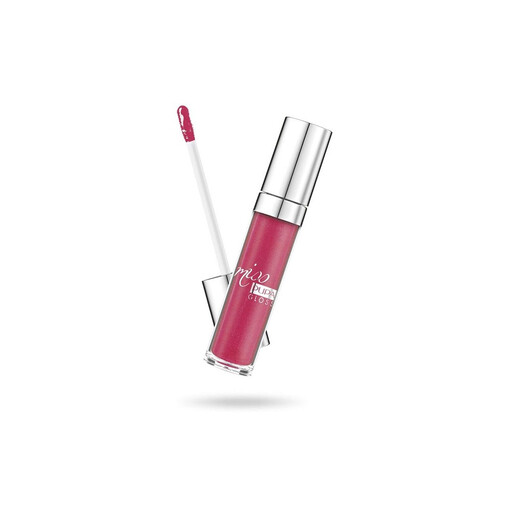
Why this product suits the profile: The 5 ml formulation is described as containing hyaluronic acid, mango extract and plant-based oils. The soft applicator helps to ensure even application.
The ingredient information makes it clear which components support the product’s nourishing and shine-enhancing properties. The INCI list also identifies Carmine as a possible colourant.
Non-sticky gel texture according to the product description, with Sodium Hyaluronate included in the stated INCI list.
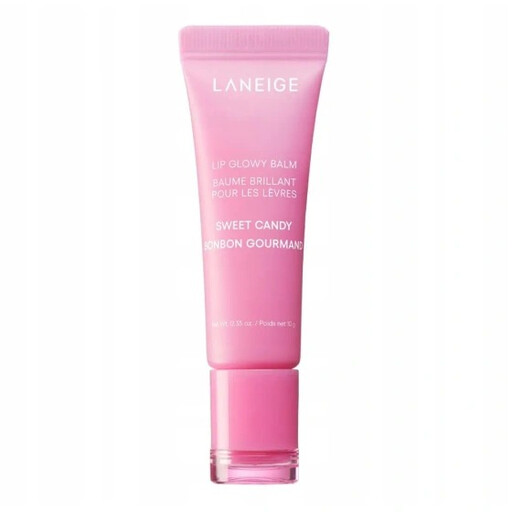
Why this product suits the profile: The gloss balm combines a delicate pink shade with a glossy finish and, according to the description, can be applied several times a day. This makes it practical for work, travel and touch-ups.
The product description specifically mentions the combination of balm and gloss rather than a pure high-shine product. People who are sensitive to fragrance should check the INCI list.
10 g content, shea butter and murumuru butter according to the product information, plus a transparent pink shine.
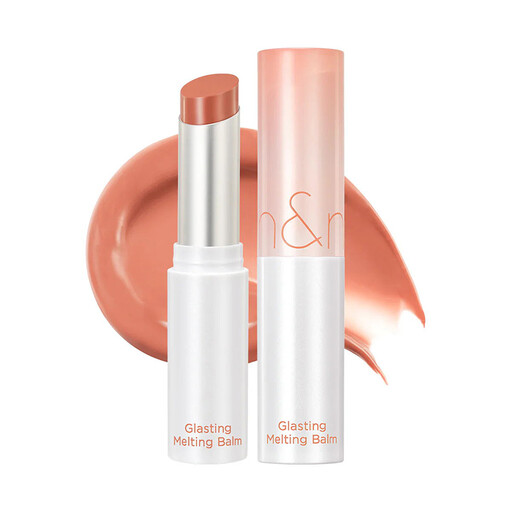
Why this product suits the profile: According to the description, this Korean lip gloss in balm form melts easily on the lips to create a glossy look with a lightly fruity scent.
The balm texture is clearly distinct from classic liquid gloss. This makes it easier to match your choice of product to the care benefits and feel you want when wearing it.
Kaya Fig shade, 3.5 g content and several plant-based oils according to the product information provided.
We have put together a complete, regularly updated list of products that fully meet these strict selection criteria and the safety regulations applicable in the EU.
A lip gloss is not a long-lasting lipstick. Eating, drinking and friction can reduce its shine. If you apply it frequently, a handy format and easy touch-ups are therefore more important than claims of long wear.
The best-before date, batch information and PAO symbol on the packaging, such as “12M”, are the key points of reference. If the smell, colour, consistency or feel on the skin changes, stop using the lip gloss.
A gloss balm containing shea butter, murumuru butter or nourishing oils may feel more comfortable than a very lightweight shine formula. However, if your lips are cracked, inflamed or injured, avoid decorative products and seek medical advice about the cause if necessary.
No. Hyaluronic acid or Sodium Hyaluronate is just one ingredient. The feel and nourishing properties depend on the formulation as a whole. Compare the INCI list, texture, colour intensity and personal tolerance together.