
Lieferung heute & morgen

Qualitätsgarantie

Willkommens-Angebote freischalten: KOSTENLOSE Lieferung | Bis zu 80 % RABATT | Kostenlose 30-Tage-JoyPlus-Testphase
App herunterladen
Lip gloss can make lips look visibly smoother, glossier and fuller. The range extends from clear lip gloss and pink lip gloss to nourishing lip oil. However, the key difference is not simply the shade. Texture, ingredients, applicator and desired wear time determine whether a product is genuinely practical for everyday use.
A high-shine lip gloss reflects a great deal of light to create a mirror-like finish. However, this says nothing about whether the formula feels sticky or heavy. Look for product claims such as “non-sticky,” “lightweight” or “comfortable,” and pay close attention to the specific texture description.
Even an intensely glossy lip gloss can feel uncomfortable in windy weather if hair easily sticks to the lips. For everyday wear, thinner textures or a lip oil are often more practical than particularly dense gloss formulas.
Many products promote a “plumping” or volumising finish. In practice, this often refers to an optical effect created by shine, light reflection or colour. It should not be equated with a medical or permanent change. Products containing menthol or flavouring may also create a cooling or tingling sensation. If your lips are sensitive, a cautious compatibility test is advisable.
A lip gloss containing conditioning ingredients, hyaluronic acid, oils or vitamin E may appeal to those with dry lips. However, simply naming an ingredient does not prove a therapeutic effect. If you have known allergies or sensitive skin, pay particular attention to fragrances and declarable allergens. The complete ingredient list and the information on the packaging are the decisive sources.
Distinguish between:
A glossy pink lip gloss can add a fresh wash of colour to the lips. A clear gloss, by contrast, complements a wide range of make-up looks and is easy to reapply throughout the day.
Pay attention to the consistency described and to the shape of the applicator. A cushioned or wide applicator can cover the lip surface evenly. A slim applicator offers greater precision along the lip line.
For everyday wear, non-sticky lip glosses with a lightweight texture are generally more comfortable. Lip oil often feels more fluid and combines shine with an oil-based formula. On very dry lips, applying a separate lip balm underneath the gloss may be helpful, provided the combination does not cause the product to slip.
Typical conditioning ingredients found in the featured products include:
These details describe the formulation but do not constitute proof of a medical effect. When fragrances, essential flavourings or colour pigments are involved, comparing ingredient lists is worthwhile. Products are intended for external use on the lips only. Discontinue use if irritation occurs.
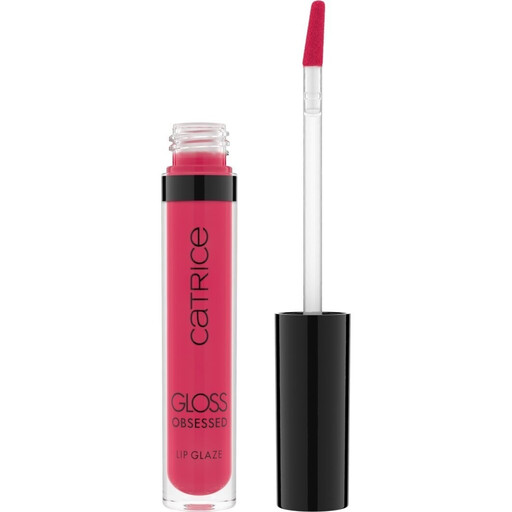
Why it fits the profile The Pink Shiny shade is ideal for understated everyday looks and can be worn alone or as a topcoat. According to the product description, the formula contains macadamia oil and vitamin E.
The product details explicitly describe a lightweight, non-sticky texture with medium coverage. This makes it easier to assess the expected colour effect before buying.
Pink shade, glossy finish, macadamia oil and vitamin E according to the product information; suitable for wearing alone or as a topcoat.
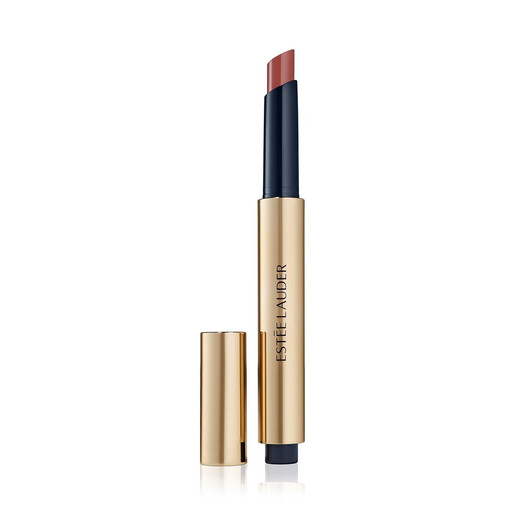
Why it fits the profile The cream-gloss formulation will appeal to those looking for an elevated design and mirror-like shine with sheer to medium coverage.
The product description distinguishes between wearing it alone, applying it with lip liner and layering it over lipstick. This makes it easier to choose the right application for the occasion.
Creamy texture, mirror-like shine, 1.8 g of product and sheer to medium coverage according to the product data.
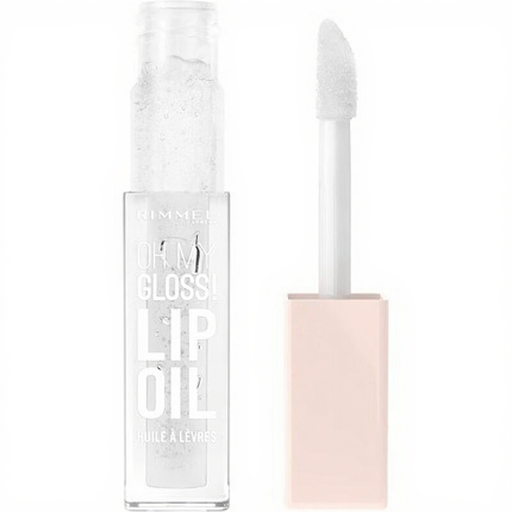
Why it fits the profile According to the product description, this clear lip oil combines a glossy finish with coconut oil, passion fruit seed oil and raspberry seed oil. It is designed for low-colour, care-focused looks.
The product information refers to natural flavouring agents. Anyone sensitive to fragrance or flavour should check the packaging details before purchase.
Clear finish, non-sticky oil formula according to the description, and plant-based oils listed among the ingredients.
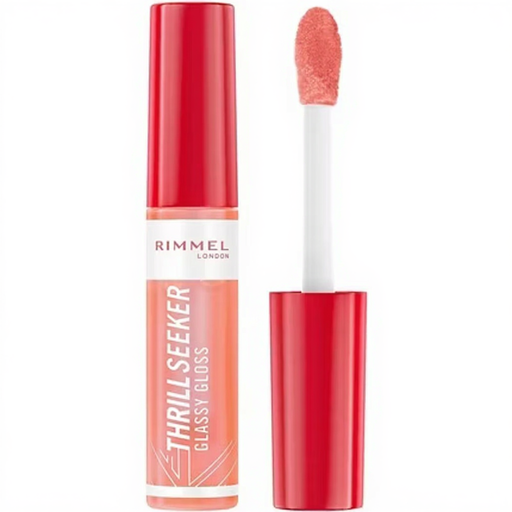
Why it fits the profile This peach-toned gloss is designed for those who prefer a glass-like shine, a noticeable pop of colour and a cushioned applicator.
The brand lists hyaluronic acid and an antioxidant complex among the ingredients. These details should be understood as formulation features rather than medical promises.
10 ml of product, a cushioned applicator and, according to the product description, even application with a non-sticky finish.
For long-lasting lip gloss, keep expectations realistic: shine can fade through eating, drinking, speaking or friction. Higher-coverage formulas may fade more visibly, while transparent products are often easier to touch up discreetly.
We have put together a current selection of products that can be compared by shine level, texture, colour and formulation.
Lip oil is generally formulated with a more distinctly oil-based, fluid texture and may offer a subtle tint. Classic lip gloss tends to place greater emphasis on shine and colour. The precise composition varies by product, which makes checking the ingredient list worthwhile.
Formulas containing oils, vitamin E, butter or Sodium Hyaluronate may be worth considering. These ingredients describe the product formulation but do not guarantee an individual conditioning effect. If lips are particularly dry or irritated, start with a well-tolerated lip balm.
Follow the PAO symbol on the packaging, such as “12M,” as well as the stated expiry date. Store the product in a dry place at room temperature, protected from direct sunlight. If its smell, appearance or texture changes, discontinue use.