
Lieferung heute & morgen

Qualitätsgarantie

Willkommens-Angebote freischalten: KOSTENLOSE Lieferung | Bis zu 80 % RABATT | Kostenlose 30-Tage-JoyPlus-Testphase
App herunterladen
A lip tint combines colour with a lightweight texture that can often be built up. Depending on the formula, a lip tint can feel watery, glossy, balm-like or matte. There’s plenty of choice for beauty fans and K-beauty enthusiasts, from natural-looking colour for everyday wear to highly pigmented Korean lip products.
To avoid disappointment, it’s worth checking the product details carefully. A glossy finish, for example, doesn’t automatically mean long-lasting colour, and a tinted lip balm isn’t a substitute for every type of traditional lip care.
Glossy lipstick or lip gloss reflects the light and gives a fresh look, but the finish can change more quickly when you eat or drink. A water-based lip tint, on the other hand, often leaves a layer of colour behind even as the shine fades. So, “long-lasting lip colour” and “gloss finish” describe different qualities.
Names such as “Nude”, “Berry” or “Coral” can look different on different lips. Your natural lip colour, skin undertone and the number of layers you apply all affect the result. Product images are therefore best used as a guide. For a subtle look, start with a thin layer and build up the colour gradually.
Oils, glycerin, shea butter and plant-based waxes may be included in moisturising lip care products. Fragrance, colourants and certain preservatives may also be relevant if you have sensitive skin. The full INCI list on the packaging is the definitive reference and may differ from older online information.
Check whether the brand describes the colour as “sheer”, meaning translucent, or buildable. With buildable lip products, you can adjust the intensity by applying several thin layers. This is handy if you want to wear the same shade at the office and in the evening.
Before you buy, check:
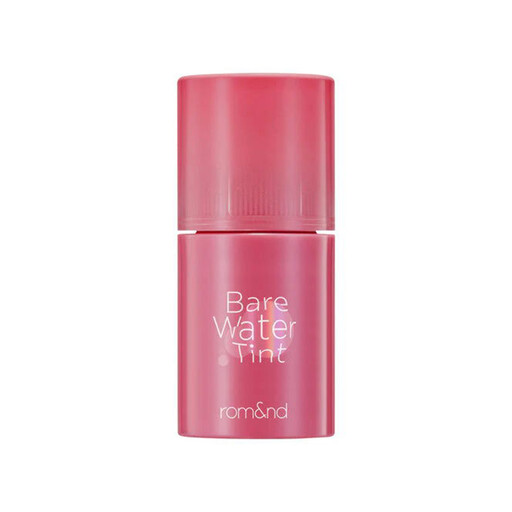
Why it suits this profile: The sheer Water Grape shade can be worn subtly in one thin layer or built up for more impact. The stated net content is 4.5 g.
Its lightweight, watery texture makes it easier to control the colour intensity gradually, rather than applying a heavy layer that’s difficult to judge.
Sheer colour, buildable intensity, and details about water and dipropylene glycol in the product description.
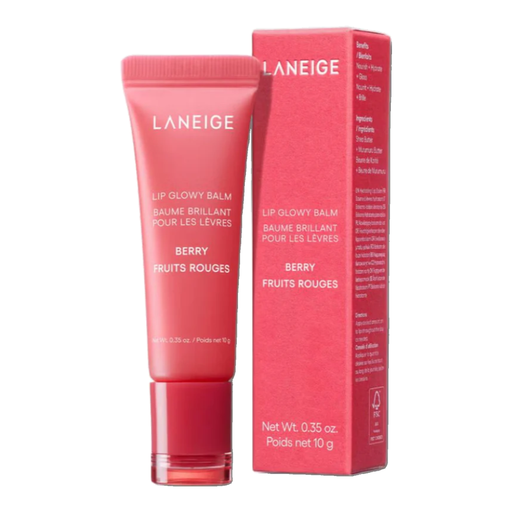
Why it suits this profile: This balm is designed for anyone who wants to combine lip care with a glossy, lightly tinted look in one product.
The product details say you can wear the balm on its own or over lipstick, giving you flexibility over the finish.
10 g of product, plus murumuru seed butter, shea butter and methicone according to the product description; fragrance is listed.
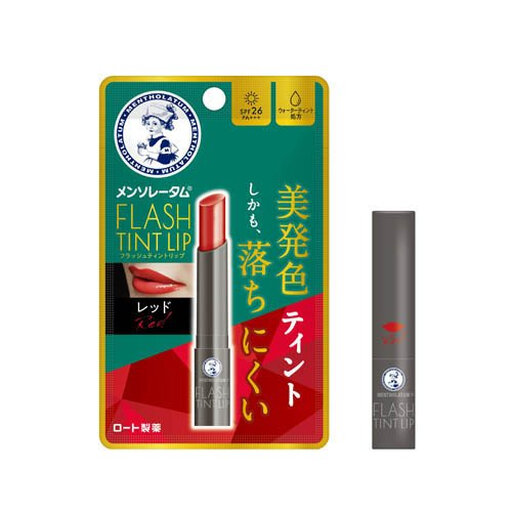
Why it suits this profile: This tinted lip balm combines red colour with the SPF26 and PA+++ ratings shown on the product.
The directions recommend applying it in layers and warn against twisting the soft stick up too far. This helps reduce the risk of it breaking during application.
Six listed care oils or oil-like ingredients, and the product is described as fragrance-free; the full INCI list is on the packaging.
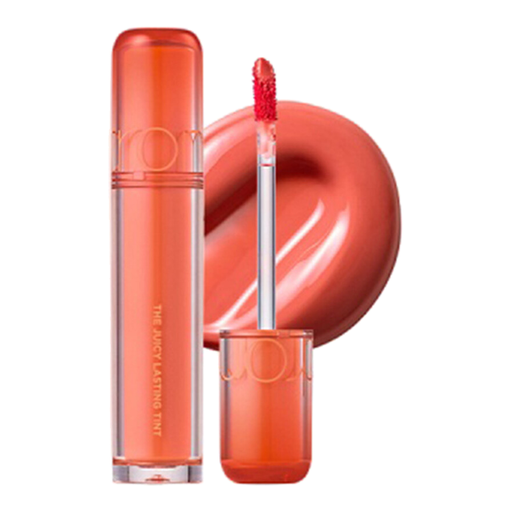
Why it suits this profile: According to the product description, the Papaya shade is buildable and can be intensified from a light layer of colour to a matte finish.
The recommended technique of applying, blending and then dabbing on the colour gives you more control over its intensity than applying one thick layer.
Glycerin and butylene glycol are listed in the description; according to the brand, you can vary the colour from subtle to bold.
We’ve put together a complete, regularly updated list of products that meet these strict selection criteria and fully comply with the safety regulations in force in the EU.
For a natural-looking lip colour, start by applying a thin layer to the centre of your lips and blend it outwards. If your lips are dry, a short break to moisturise them before applying tint can help. Remove any excess product before adding another layer to avoid an uneven finish.
For lip gloss or lip glaze, try applying it over a coordinating lip colour. This lets you control the level of shine. Before using products with fragrance or colourants regularly, check the latest information on the packaging.
Wear time depends on the formula, how it’s applied, and whether you eat or drink. Water-based tints can leave a trace of colour, while glossy products usually need more frequent reapplication. It’s not possible to give a reliable general estimate of how long a tint will last.
A tinted lip balm often contains nourishing ingredients such as oils or waxes and may feel smoother on the lips. Matte lip colours can make dry patches more noticeable. What matters is how well the product suits you, its INCI list and how you prepare your lips.
Start with a cleansing oil suitable for lips or a gentle make-up remover. Leave it on briefly, then wipe it away without rubbing hard. Stop using the product if irritation persists.