
Lieferung heute & morgen

Qualitätsgarantie

Willkommens-Angebote freischalten: KOSTENLOSE Lieferung | Bis zu 80 % RABATT | Kostenlose 30-Tage-JoyPlus-Testphase
App herunterladen
Lip gloss can make your lips look shiny, colourful or fuller. But there are clear differences between lip gloss, lip oil and plumping lip gloss. If you choose based only on the packaging, shade name or marketing claims, you may end up paying for an effect that doesn’t suit your everyday needs.
A lip plumper can create a temporary, visual plumping effect through shine, light reflection or certain ingredients. Products containing menthol, chilli extract or warming ingredients may also cause a tingling or warming sensation. This doesn’t permanently change the shape of your lips. If you have sensitive lips, test these formulas with care and stop using the product if irritation occurs.
A moisturising lip gloss may contain nourishing ingredients such as vitamin E, squalane, jojoba oil, argan oil or hyaluronic acid. However, the actual formula matters. A lip gloss with hyaluronic acid may feel different from one made mainly with oils or waxes. If your lips are dry or chapped, apply a suitable lip care product before adding shine.
Texture depends on the formula, how much you apply and the conditions around you. A particularly glossy lip gloss may feel more tacky, while a lightweight lip oil may feel less sticky but need reapplying sooner. Fragrance and declarable fragrance allergens such as limonene, linalool or geraniol are not found in every formula, and their presence can vary from product to product.
For everyday wear, a nude lip gloss, a clear gloss or a subtly coloured lip gloss is often a good choice. Shades such as taupe, rose or apricot are usually easy to pair with different make-up looks. If you want more colour, look for terms such as “pigmented”, “full coverage” or “shimmering”. A glossy lipstick, on the other hand, combines more intense colour with a gloss-like finish, but often feels different from a classic lip gloss.
Also check whether the product contains shimmer particles. Mica, synthetic pearlescent pigments or mineral colourants can significantly change the way the light reflects. If you have known sensitivities, the current INCI list on the packaging is the one to check.
A non-sticky lip gloss should apply evenly without quickly settling into the lines on your lips. However, the name alone doesn’t tell you everything, so check the product description too. A soft, flocked applicator is suited to precise application; an XL or cushion applicator picks up more product and can speed things up.
Compact tubes containing around 2.7 to 4.6 ml are handy on the go. Larger 5.4 to 6.5 ml products offer more, but need to be stored carefully. Close the cap firmly after each use to prevent leaks and the product drying out.
For a lip gloss with vitamin E or a moisturising lip gloss, check the specific ingredients. “With hyaluronic acid” means that an ingredient is present; it isn’t a medical claim about how well the product works. Likewise, “vegan” doesn’t automatically mean a product is suitable for every skin type or lip area.
Cosmetics sold in the EU should display, among other things, a full ingredients list, the details of a responsible person in the EU, and information about shelf life and use. If you have a fragrance allergy, check the declarable ingredients. Start by applying new products sparingly. If you experience irritation, burning or swelling, stop using the product and don’t apply it again.
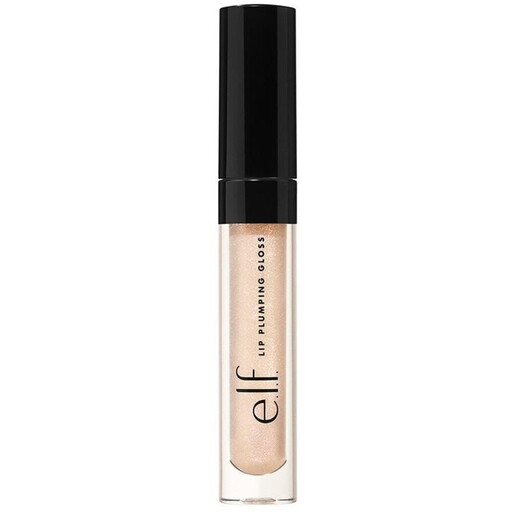
Why it suits this profile: The compact size and handy applicator make it a straightforward choice for beginners, quick touch-ups on the go and a subtle pink shine.
The product description mentions a lightweight, non-sticky texture and a 2.7 ml size. That makes it easy to try the desired shine without committing to a large amount of product.
According to the product information, it contains vitamin E and coconut oil; wear the gloss on its own or over lipstick.
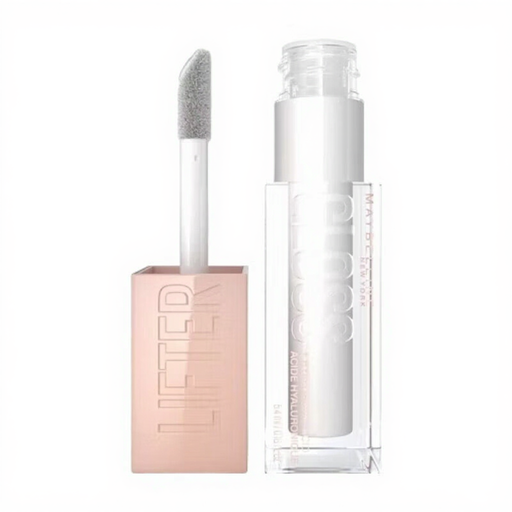
Why it suits this profile: The shimmery Pearl shade and XL applicator are ideal if you prefer an even application and light-reflecting shine.
Check the formula and expiry date against the packaging. The usage instructions recommend applying the product directly with the XL applicator and topping up as needed.
5.4 ml of product, Sodium Hyaluronate and Tocopherol in the listed INCI ingredients, plus a shimmery colour effect.
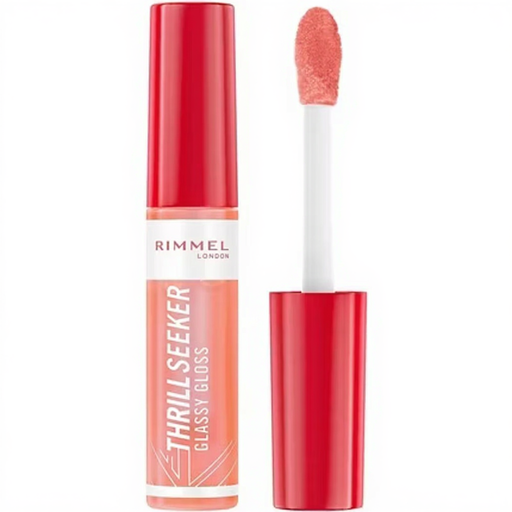
Why it suits this profile: The peach shade, cushion applicator and glass-like shine make it a good match for special occasions or looks with a noticeably reflective finish.
The cushion applicator is designed for an even, non-sticky application. The product description mentions hyaluronic acid and an antioxidant complex; individual suitability should still be checked.
Peach shade, cushion applicator and glossy finish; the fragrance is described as coconut water, red pineapple and pink citrus berries.
We’ve put together a complete, regularly updated list of products that meet these strict selection criteria and the safety regulations in force in the EU.
For an even application, start with clean, dry lips. Apply a small amount to the centre of your upper lip, then trace the outline and fill in your lower lip. With more highly pigmented products, it’s best to start with a thin layer. Applying several layers can boost the shine, but also means using more product and may make it feel stickier.
Store lip gloss in a cool, dry place, away from direct sunlight and heat. Once opened, follow the guidance on the packaging. A change in smell, colour or texture may indicate that the product has changed; if so, stop using it.
Wear time depends on the texture, how much you apply, and factors such as eating, drinking and talking. Gloss often needs topping up throughout the day. Claims such as “up to 24 hours of moisture” refer to the product description and don’t mean the shine will last just as long.
Lip gloss usually focuses on shine, colour and visual effects. A lip oil often has a more fluid, nourishing texture and may be less pigmented. However, the distinction isn’t always clear-cut. The finish, viscosity and INCI list of each product are what matter.
Not necessarily. Formulas containing chilli, menthol or warming ingredients may cause tingling or burning. If you have sensitive lips, use these products with care and start with a small amount. Stop using the product straight away if irritation occurs.