
Lieferung heute & morgen

Qualitätsgarantie

Willkommens-Angebote freischalten: KOSTENLOSE Lieferung | Bis zu 80 % RABATT | Kostenlose 30-Tage-JoyPlus-Testphase
App herunterladen
Lipstick and blush are among the most versatile make-up products. A well-chosen colour can coordinate your lips and cheeks, while a compact 2-in-1 product saves space in your make-up bag. However, product claims such as "long-lasting", "nourishing" or "natural" don't automatically lead to a good purchasing decision.
Three common pitfalls occur particularly often:
A cream blush or blush stick can usually be applied with fingers, a brush or a sponge. This is handy for quick looks and on-the-go application. What matters is whether the formula is buildable and sheer or highly pigmented. For beginners, products that blend easily and can be applied in layers are easier to control.
Powder blush is suitable for those who prefer a dry, powdery finish. With a 2-in-1 lip and cheek colour, the product description should explicitly mention both areas of use. A lip & cheek tint often creates a lighter colour effect; depending on the formula, the intensity can be increased by applying several layers.
The full INCI list on the packaging is definitive, as formulations can change. Look out for your personal exclusion criteria such as fragrances, certain colourants or beeswax. The term vegan cosmetics should refer to a specific manufacturer's statement. The Max Factor Miracle Pure Blush Stick is described in the product description as vegan and dermatologically tested.
Nourishing ingredients are not automatically suitable for everyone. The NIVEA Nourishing Lipstick Blackberry Shine is said to contain natural oils, shea butter and vitamin E, according to the product information. If you have a known intolerance, you should still check the current ingredient list of the delivered product.
For a subtle everyday look, rose, peach or muted berry tones are often suitable. A strong red or burgundy shade can emphasise the lips more and requires a more restrained application of blush. A highlighter blush with shimmer reflects light; if you prefer a matte result, look for terms like "soft matte", "matte" or "powdery".
A matte lipstick can appear precise and intensely coloured. If you have dry lips, it's a good idea to apply a colourless lip balm beforehand and remove any excess balm before applying the lipstick. A tinted lip balm, on the other hand, is designed for a more transparent colour accent and fuss-free daily use.
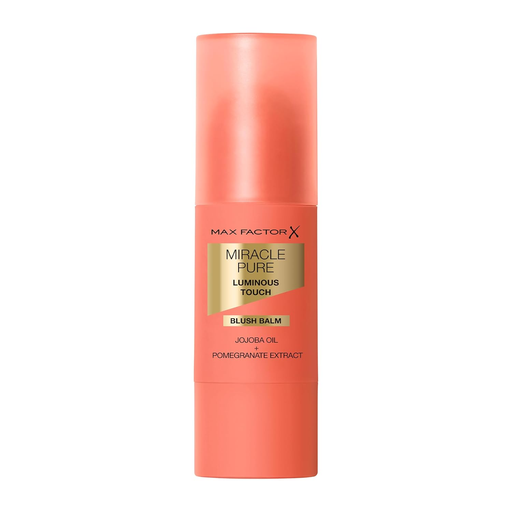
Why this product suits the profile: The stick can be applied directly to the cheeks and, according to the product information, blended with fingers, a brush or a sponge. The buildable texture makes careful application easier.
The creamy, easily blendable formula (according to the product information) reduces the risk of a harsh colour line on the first application.
Stick format, jojoba oil and pomegranate extract according to INCI/product information; labelled as vegan.
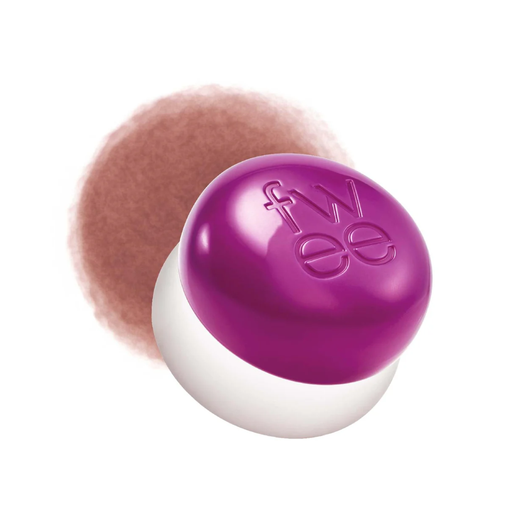
Why this product suits the profile: The pudding texture combines properties of cream and powder blush, according to the product description, and is intended for both lips and cheeks.
The product information mentions buildable pigmentation and a soft-matte finish, so the intensity can be adjusted gradually.
2-in-1 application, lightweight texture according to the manufacturer and a compact 5 g pot; intended for lips and cheeks.
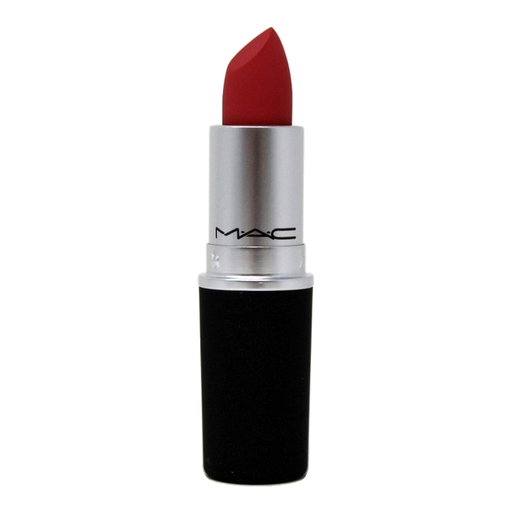
Why this product suits the profile: The product description mentions a matte finish, medium to full coverage and a bevelled tip for direct application.
The stated coverage and the ability to apply a second layer make the desired intensity easier to plan for than a vaguely described finish.
Matte finish according to the product information, 3 g content and direct application without an additional brush.
We have compiled a complete, regularly updated list of products that fully meet these strict selection criteria and the safety regulations in force in the EU.
Start by considering your skin undertone and the desired intensity. Rose and berry tones often appear cooler, while peach and coral shades look warmer. Examine the colour swatches in as neutral light as possible and bear in mind that lip and cheek colour can look different on every skin type.
Cream blush can usually be blended with fingers or a sponge and is suitable for a flexible, buildable application. Powder blush is typically applied with a brush and leaves a drier finish. The choice depends on skin feel, make-up base and the desired result.
The printed expiry date or the PAO symbol on the packaging is definitive. Also look out for changes in smell, colour or texture. Cosmetics should be stored in a dry place, tightly closed and protected from direct sunlight and strong heat. If irritation occurs, discontinue use.