
Lieferung heute & morgen

Qualitätsgarantie

Willkommens-Angebote freischalten: KOSTENLOSE Lieferung | Bis zu 80 % RABATT | Kostenlose 30-Tage-JoyPlus-Testphase
App herunterladen
A lipstick can look different on screen than it does on the lips, settle after a short time or feel dry despite claims that it is conditioning. If you choose based solely on colour or brand name, you can easily overlook important differences in finish, staying power and formulation.
Three common purchasing problems occur particularly often:
The texture determines not only how the product looks, but also how it behaves:
So choose your desired result first, and only then select the shade. For working days or longer events, a long-lasting lipstick or lip tint can be practical. For short trips, leisure time and dry indoor air, creamy textures or a moisturising lip treatment are often more comfortable.
Lip cosmetics are ingested and should therefore be chosen carefully. Look out for:
One example is the Clinique Dramatically Different Lipstick Shaping Colour 01 Barely. According to the product information, this nude lipstick is fragrance-free and labelled as “allergy-tested”. However, this cannot guarantee individual compatibility. The ingredients list should be checked before purchase and again on the packaging, as formulations may change.
“Long-lasting” does not mean that a product will remain unchanged in all conditions. The following factors are particularly relevant:
A suitable make-up remover is recommended for waterproof or low-transfer formulas. Not every long-wearing product is automatically suitable for sensitive or dry lips.
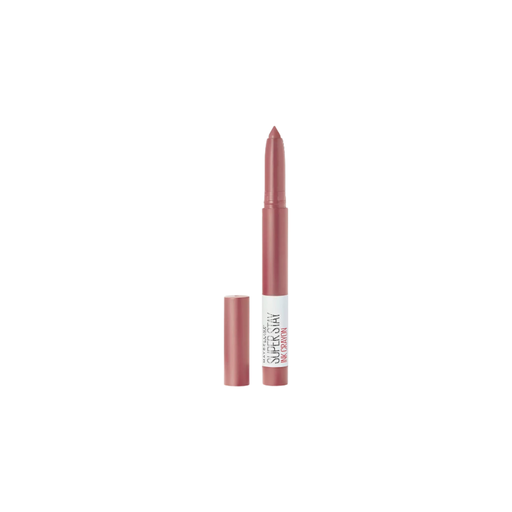
Why this product suits this profile: The stick format allows direct application, while the tip enables more precise definition. The matte colour payoff is suitable for effortless everyday looks.
The product information details the application, ingredients and warnings. This makes it easier to assess the finish and suitability before purchase than relying on the shade name alone.
Matte texture, 14 g content and buildable application according to the product description.
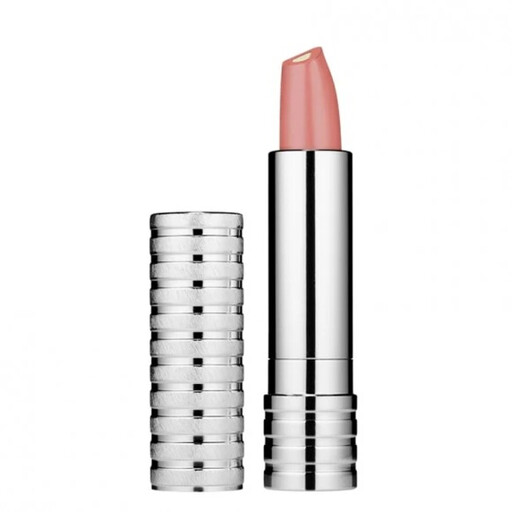
Why this product suits this profile: The neutral shade 01 Barely works well in both professional and personal settings. The product description highlights a fragrance-free formula with a creamy, conditioning focus.
The specified shade and “fragrance-free” claim reduce common uncertainties around nude colours and fragrances. Individual skin compatibility should still be checked.
Neutral nude shade, 3,8 g content, plus product information about its fragrance-free formula and 24-month shelf life after opening.
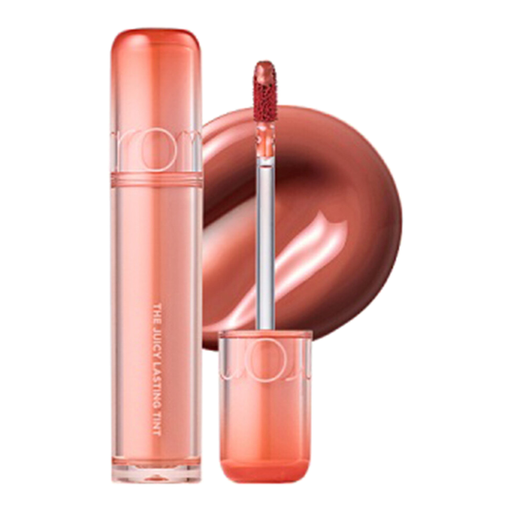
Why this product suits this profile: The warm shade is ideal for users looking for a Korean lip product with intense colour payoff and a precise applicator.
As a tint, this product is chosen differently from a classic lipstick: the colour can be built up gradually and, according to the product description, leaves an intense colour result.
Precise applicator, easy application, plus product information about mango extract, raspberry seed oil and tocopheryl acetate.
We have put together a complete, regularly updated list of products that fully meet these strict selection criteria and the safety regulations applicable in the EU.
For an even result, your lips should be clean and dry. With matte lip colour, a very thin layer of lip balm can be used as preparation. It should be fully absorbed before applying the colour. For a lip tint, applying from the centre of the lips outwards is recommended; several thin layers allow you to control the intensity more precisely.
Lipsticks should be kept tightly closed, in a dry place and protected from direct sunlight and excessive heat. Do not share lip make-up with other people. Stop using the product if redness, itching or a burning sensation occurs. Products that are past their expiry date or show noticeable changes in smell or texture should be disposed of.
Creamy formulas, tinted lip balms or glossy textures may feel more comfortable than highly matte products. However, the specific INCI list and your individual skin compatibility are key. Before applying colour, a thin, fragrance-free conditioning base may be useful.
The period of use depends on the PAO symbol, the expiry date and the manufacturer’s information. Many products display a symbol such as “12M” or “24M”. You should also check the smell, colour and consistency regularly.
Lipstick applies a visible layer of colour to the lips and can be matte, creamy or glossy, depending on the formula. A lip tint usually colours the lips more lightly and may leave a wash of colour behind as it fades. If you want high coverage, a classic lipstick is generally the more obvious choice, while a tint can create a lighter look.