
Same-day & Next-day Delivery

Quality Guaranteed

Unlock Your Welcome Offers: FREE Delivery | Up to 80% OFF | Free 30-day JoyPlus trial
Download the APP
Lipstick and lip care are often treated as one product category. In reality, lipsticks, tinted lip balms and classic lip balms differ considerably in coverage, staying power, texture and ingredients. So if you have dry or sensitive lips, don’t choose based on colour name or shine alone.
1. “Moisturising” doesn’t automatically mean it’s right for dry lips.
A moisturising lipstick may contain nourishing oils, waxes or butters. What matters, though, is whether the texture feels comfortable and whether it contains any fragrances, flavourings or particular plant oils you know you react to. If your lips are sensitive, it’s worth checking the full INCI list.
2. Shine is often mistaken for nourishment.
A glossy lipstick or tinted lip balm can make your lips look smoother. But shine alone says nothing about the ingredients or whether a product is suitable for dry lips. Products with a very soft, melting texture may also soften more quickly or break in warm weather.
3. Colour names don’t look the same on every skin tone.
A nude, pink or red lipstick can look different depending on your natural lip colour. Sheer products are more affected by your natural undertone than full-coverage formulas. If you’re unsure, buildable colours are often more practical than a highly pigmented formula that delivers full colour in one coat.
Coverage ranges from sheer to medium to full. A tinted lip balm or Korean lip balm, such as rom&nd Glasting Melting Lip Balm, usually leaves a light, buildable wash of colour on the lips. It’s ideal for everyday wear and easy to reapply without lip liner.
A classic lipstick, on the other hand, often gives you a more defined outline. Check whether the manufacturer describes it as medium or full coverage and whether it’s designed to be applied in several layers. If your lips are dry, a thin, even layer may feel more comfortable than applying a thick coat.
Look out for terms such as satin, glossy, shimmery or matte. A glossy lipstick reflects more light, but it may be more noticeable in windy weather or if you have long hair. Shimmery products often contain mineral or synthetic effect pigments.
If you’re looking for a nourishing lipstick with a natural look, try a satin finish. A tinted lip balm, meanwhile, usually combines a light wash of colour with a softer texture. With very soft formulas, twist up only a little product to keep the bullet stable.
Oils such as jojoba, argan, sunflower or olive oil, as well as shea butter, are found in many lip products. Together with waxes and synthetic lipids, they determine how smoothly a product glides on. Fragrances, flavourings, bee-derived ingredients, lanolin or colourants may be relevant for some people.
Before you buy, check:
Stop using the product if you experience redness, itching or irritation. These products are for external use only. If you have known allergies, it’s a good idea to check the ingredients; if symptoms persist, consider seeking medical advice.
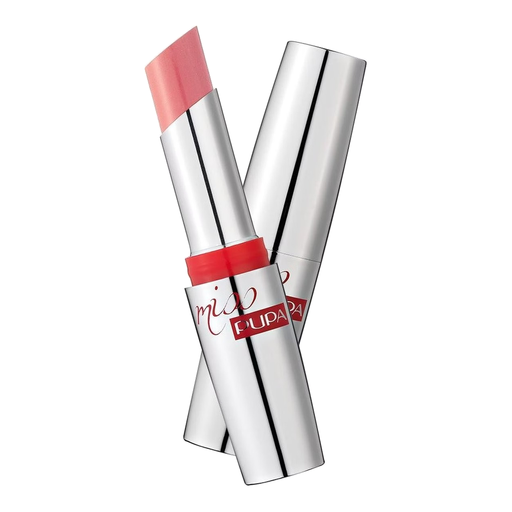
Why it suits this profile: The nude rose shade and medium coverage make it an easy choice for subtle everyday looks.
The product description says it has a non-sticky, moisturising texture, and specifies medium coverage and a shimmer effect.
Shade 101 Nude Rose, 2.4 ml and a paraben-free formula, according to the product information.
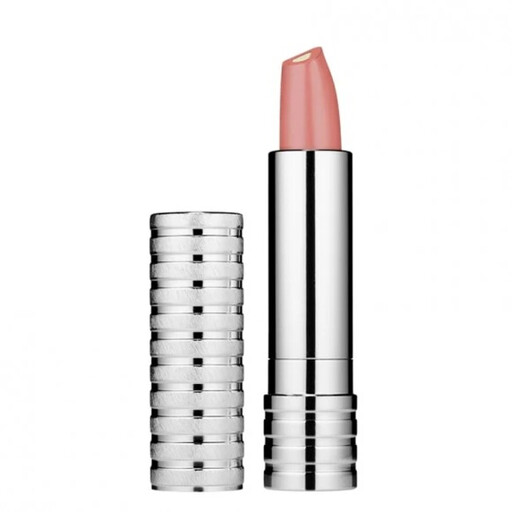
Why it suits this profile: The neutral nude shade is designed for a polished everyday look and can be applied straight from the bullet.
The product information describes a fragrance-free formula with a creamy texture; check the actual INCI list before buying.
Shade 01 Barely, 3.8 g and an integrated 3D pearl core, according to the product description.
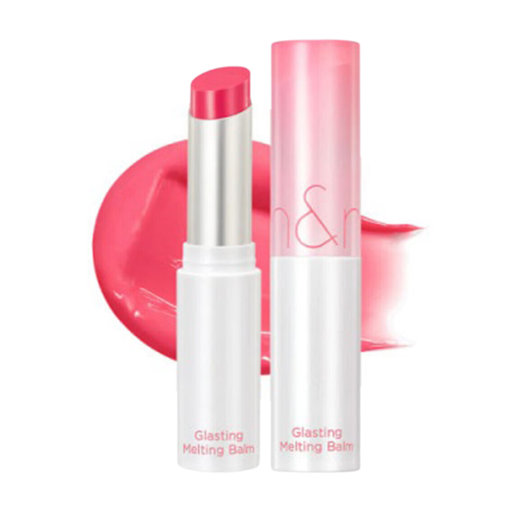
Why it suits this profile: This Korean lip balm gives a light, buildable pink tint and a glossy finish that’s easy to top up throughout the day.
The colour is described as buildable, so you can control its intensity rather than relying on the colour name alone.
Argan, jojoba and sunflower oils, according to the product description, plus a lightweight texture with a high-shine finish.
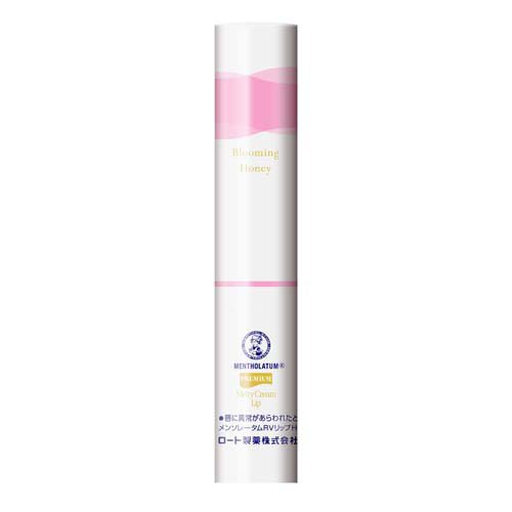
Why it suits this profile: This colourless formula is a good option if you’re mainly looking for creamy lip care without colour pigments.
Because of its soft Melty Cream texture, the directions recommend applying only 1 to 2 mm of product and storing it away from heat.
The product description lists three ceramides, squalane and several plant oils; honey and royal jelly are also included.
We’ve put together a complete, regularly updated list of products that meet these strict selection criteria and fully comply with the safety regulations in force in the EU.
If your lips are dry, start by applying a thin layer of lip care and let it sink in briefly. You can then apply a nourishing lipstick or one with fuller coverage. For a precise outline, choose a lip liner in a matching shade. With glossy balms, a small amount is usually enough.
Keep lip products closed, dry and out of direct sunlight. Particularly soft formulas shouldn’t be left in a hot car. Check the packaging, batch number and PAO symbol for the product’s shelf life. Changes in smell, colour or texture may indicate that the product has changed; if in doubt, stop using it.
Lipstick usually contains more pigment and gives a more defined colour. Tinted lip balm combines a lighter tint with a softer, nourishing base. The coverage depends on the formula.
Look for a comfortable blend of oils, waxes and butters, and avoid any personal triggers. Fragrances, flavourings and bee-derived ingredients aren’t suitable for everyone. If your lips are irritated or cracked, avoid using make-up products on them for now.
Check the PAO symbol, the best-before date printed on the packaging and the manufacturer’s guidance. Store lipstick somewhere cool and dry. If the colour, smell or texture changes, it’s a good idea to replace it.