
Lieferung heute & morgen

Qualitätsgarantie

Willkommens-Angebote freischalten: KOSTENLOSE Lieferung | Bis zu 80 % RABATT | Kostenlose 30-Tage-JoyPlus-Testphase
App herunterladen
A lipstick should suit your lips, the occasion and the look you want to create. But claims such as ‘24-hour wear’, ‘intensive care’ or ‘for all skin types’ don’t automatically mean a product is right for you. What matters is the specific formula, finish and application, as well as the ingredients list.
Depending on the formula, a long-lasting lipstick can feel drier than a creamy lipstick with more conditioning ingredients. Matte and liquid textures in particular often form a film on the lips. This can help set the colour, but it doesn’t replace checking whether the product suits you personally.
Check whether the product requires a separate conditioning or gloss step. With Max Factor Lipfinity, for example, you apply the highly pigmented base first, followed by the top coat after about a minute. If you skip this second step, you aren’t using the product as intended.
‘Nude’, ‘pink’ and ‘red’ describe broad colour families. A nude lipstick might look beige, rosy, brownish or slightly peachy. Red lipstick can also have warm, orange undertones or cooler, blue ones.
For a better match, consider:
Marketing terms don’t always mean the same thing. A moisturising lipstick may contain ingredients such as vitamin E, plant oils or waxes, while another may simply offer a glossy finish. If you’re looking for a vegan lipstick, check the product label and the information on the current packaging. Beeswax and carmine, for example, aren’t compatible with every vegan choice.
If your lips are sensitive or dry, it’s also worth checking the fragrance, colourants and full INCI list. Always go by the information on the packaging, as formulas can change.
The finish affects how a lipstick looks and feels, and how often you may need to touch it up:
A highly pigmented lipstick delivers a noticeable colour with just one thin layer. This is useful if you want your lip colour to stand out. For bold shades, a neat outline with a matching lip liner is a good idea.
Medium coverage often looks more subtle and is easier to adjust for everyday wear. If your lips are dry, a creamy or glossy lip colour may feel more comfortable than a highly setting matte formula.
Wear-time claims vary by product and can depend on factors such as eating, drinking, lip care and the texture of your lips. So look beyond the marketing claim and check:
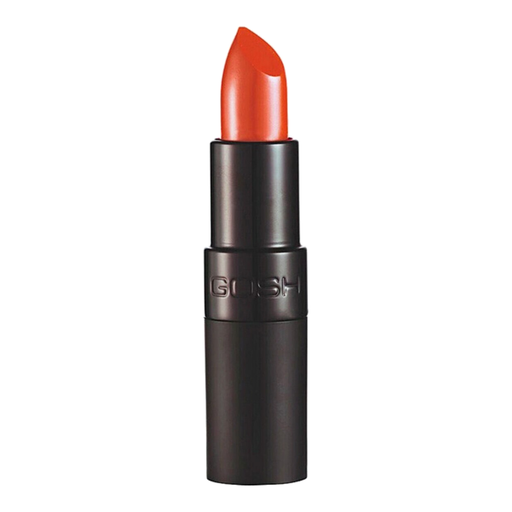
Why this product suits this profile: Its creamy texture and satin-like, glossy finish make it easy to apply every day. The colour payoff is described as intense.
The product description mentions both its creamy application and vitamin E and plant oils. Even so, always check the information on the current packaging.
Creamy texture, satin-like shine and a 4-g stick for direct application.
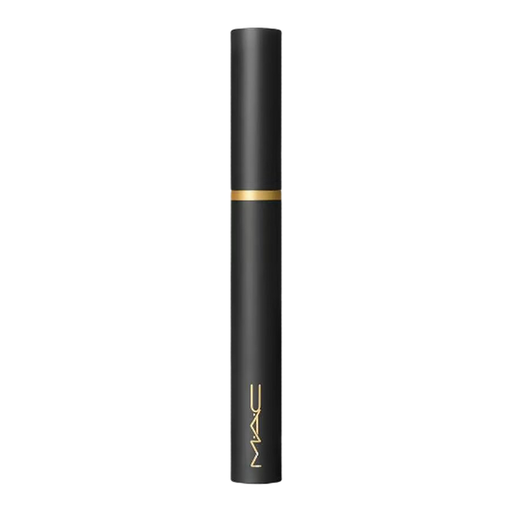
Why this product suits this profile: The slim stick is handy for precise touch-ups. Product details describe a soft-matte finish, a lightweight texture and wear time of up to 12 hours.
This lipstick combines a matte finish with a texture described as lightweight. If your lips are dry, you should still prepare them appropriately.
Soft-matte finish, slim shape and Sodium Hyaluronate in the stated INCI list.
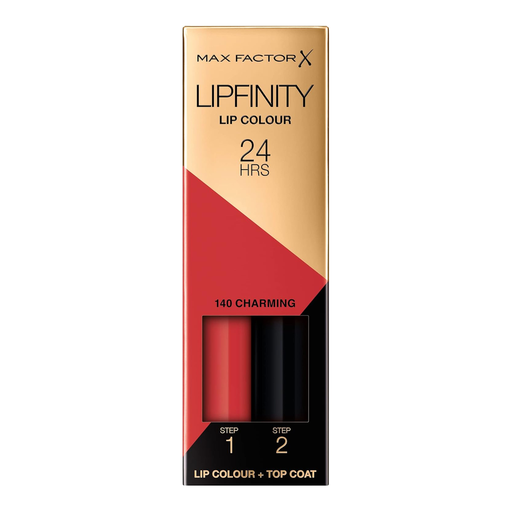
Why this product suits this profile: The two-step system is designed for people who want to pair defined lip colour with a separate top coat.
The steps are clearly explained: apply the base, leave it to dry for about a minute, then use the conditioning top coat.
Two-part system, precision applicator and stated colour wear of up to 24 hours.
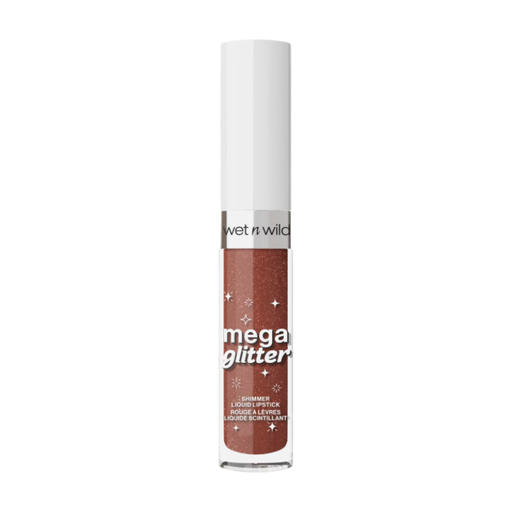
Why this product suits this profile: According to the product details, this liquid lip colour combines a matte base with glitter and shimmer. It’s also described as vegan, cruelty-free and fragrance-free.
The product details specify its finish, texture and ingredient claims. According to the information provided, the formula isn’t waterproof.
Marked as vegan, fragrance-free according to product details, with a glitter and shimmer effect.
We’ve put together a complete, regularly updated list of products that meet these strict selection criteria and fully comply with the safety regulations in force in the EU.
If your lips are dry, gently remove any loose, dry skin first, then apply a thin layer of conditioning product. Before applying a long-lasting lipstick, remove any excess oil if the product instructions call for clean, oil-free lips.
For precise lip colour:
Before buying, compare shades using the product information available. If you’re prone to allergies, the current INCI list on the packaging is the key reference.
Check the best-before date or PAO symbol on the packaging. Changes in smell, texture or colour can also be a sign. Stop using the product if it changes or causes irritation.
Creamy or glossy textures are often considered more comfortable. The formula may contain ingredients such as oils, waxes or vitamin E, but there’s no guarantee that any product will suit you personally. Apply very matte formulas in a thin layer to lips that have been prepared first.
Use an oil-based remover designed for lip make-up, or a cleansing product that dissolves the formula. Don’t rub hard: hold the soaked cotton pad against your lips briefly, then gently wipe the colour away.