
Lieferung heute & morgen

Qualitätsgarantie

Willkommens-Angebote freischalten: KOSTENLOSE Lieferung | Bis zu 80 % RABATT | Kostenlose 30-Tage-JoyPlus-Testphase
App herunterladen
A lipstick can give you a polished everyday look, complete an evening outfit or add a subtle touch of lip colour. But product claims can often lead to the wrong choice. A glossy finish doesn’t automatically mean comfortable wear, and a formula advertised as “long-lasting” may perform differently depending on what you eat and drink and how you care for your lips.
A matte lipstick is usually less reflective than a creamy or glossy lipstick. However, it can make dry patches more noticeable. A glossy lipstick can make lips look fuller, but depending on its texture, it may transfer more easily onto cups or clothing.
With a liquid lipstick, drying time and formula also matter. A quick-drying matte layer may stay visible for longer, but feel less flexible. Claims such as “up to 24 hours” should be understood as the manufacturer’s own claims, not a guarantee for every situation.
“Nude”, “rose” and “berry” describe colour families, but don’t tell you exactly how a shade will look on every skin tone. A nude lipstick may be beige, pink or brownish. A rosewood lipstick can range from muted pink to warm brownish pink. What’s more, product images on screens may not show the true colour.
For a versatile selection, start by thinking about when you’ll wear it: a subtle lip colour for the office, a creamy shade for everyday wear or a more highly pigmented colour for special occasions.
A moisturising lipstick may contain nourishing oils, waxes or butters. But that doesn’t automatically tell you how the texture will feel on your lips. If your lips are sensitive, check the INCI list for fragrances, flavourings and any known personal triggers.
If in doubt, only apply to intact skin and stop using the product if you experience redness, burning or irritation. The latest ingredients list is on the packaging and should take precedence over older information online.
Check the coverage information. “Sheer” means a translucent wash of colour, “medium” means medium coverage and “full coverage” means a stronger, even layer of colour.
A classic lipstick in a stick format can be applied directly and paired with a lip liner if needed. A liquid lipstick is applied with an applicator and often needs a short time to dry. For a precise outline, a matching lip liner is a good choice with either formula.
If you’re looking for a lipstick with a plumping effect, distinguish between the visual effect and what the product can actually do. Gloss, shimmer and lighter shades can make lips look fuller, but this doesn’t mean there’s any medical or lasting change.
Compare the amount of product, the full INCI list, the manufacturer and the best-before or PAO symbol. Products containing 2.4 g and 4.8 g are only meaningfully comparable on price if you take the quantity into account.
For sensitive lips, fragrances, flavourings and declared allergens are particularly relevant. A product labelled “fragrance-free” may be a suitable option for some shoppers, but it still can’t guarantee personal suitability. Cosmetics sold in the EU must meet the requirements of the EU Cosmetics Regulation (EC) No 1223/2009. Also check the information on the packaging you receive.
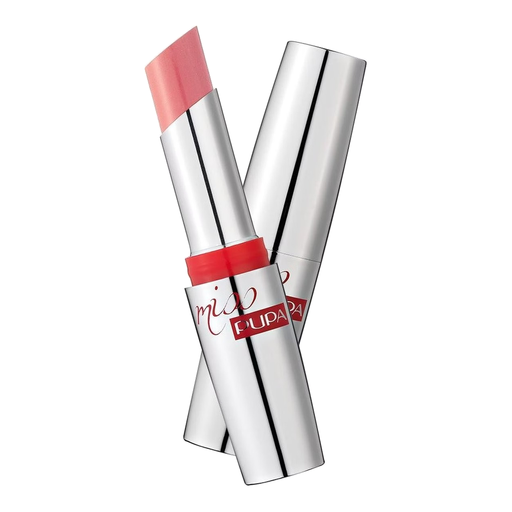
Why this product suits this shopper: The rosy beige shade is designed for subtle everyday looks. Its medium coverage and shimmer finish can be adjusted depending on how much you apply.
The medium-coverage description helps set realistic expectations, so you won’t expect a completely opaque colour. The finish is described as shimmery, not matte.
2.4 ml of product, a nude rose shade and a formula described as paraben-free according to the product information.
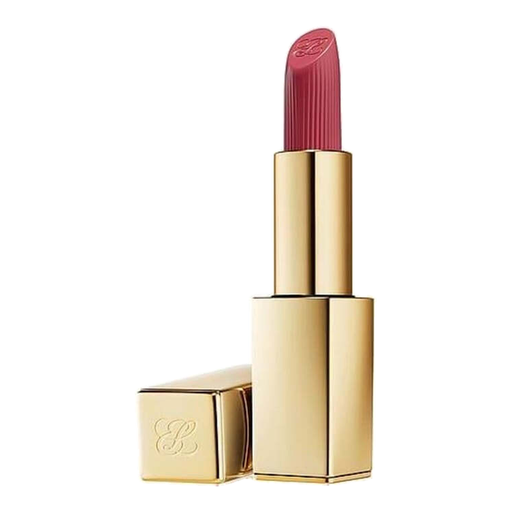
Why this product suits this shopper: The rose shade combines medium coverage with a shimmery Hi-Lustre finish. Its stated 3.5 g quantity and refillable case make it appealing to shoppers who compare product details and how a product is designed to be used.
The product information specifically states that it has medium coverage and a shimmer finish. This helps you set expectations for the colour and shine before buying.
3.5 g of product, a precisely shaped tip and up to 10 hours of wear according to the manufacturer.
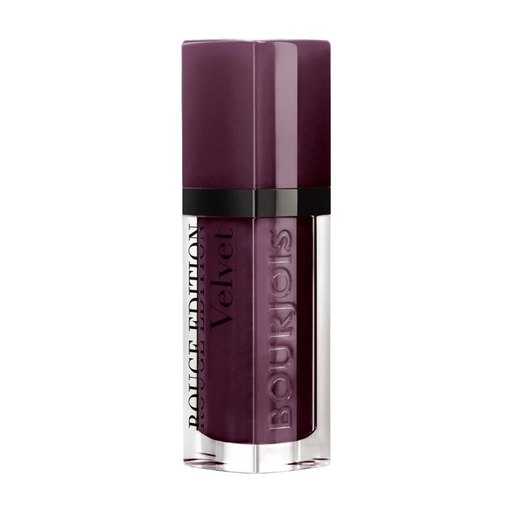
Why this product suits this shopper: The liquid formula and applicator are suited to shoppers looking for a bold berry shade and a matte finish for longer wear.
The application instructions allow for a short drying time. This helps reduce the risk of an uneven finish if you rub your lips or drink straight after applying.
6.7 ml of product, a matte finish and up to 24 hours of wear according to the manufacturer.
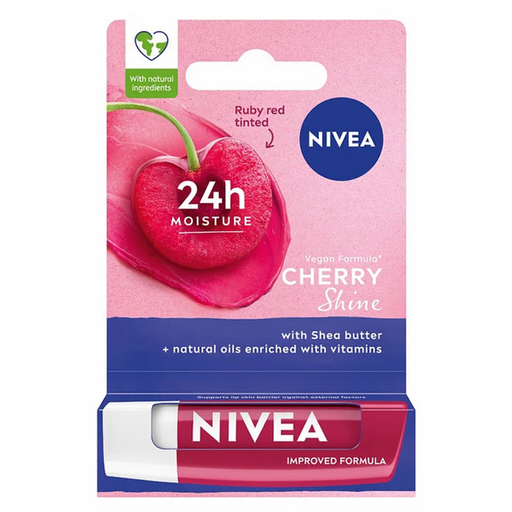
Why this product suits this shopper: The product description highlights its nourishing properties and sheer cherry shade. Its stick format is handy for quick application without an extra applicator.
The shade is described as “Cherry Shine”, not as a highly pigmented lipstick. This helps you keep your expectations for colour payoff realistic.
4.8 g of product, sunflower oil and shea butter according to the INCI list, plus skin compatibility confirmed by dermatological testing according to the product information.
We’ve put together a complete, regularly updated list of products that meet these strict selection criteria and fully comply with the safety regulations in force in the EU.
Apply lipstick to clean, dry lips. With matte formulas, a thin layer of lip balm can help; allow it to sink in fully before applying colour. For a more precise result, outline your lips first, then fill them in. Glossy and creamy formulas can often be applied straight from the bullet.
Store lipsticks in a dry place, away from direct sunlight and high temperatures. Heat can alter the texture or make it soft. After opening, follow the PAO symbol on the packaging. If the product develops an unusual smell or changes colour or consistency, stop using it.
Check the latest ingredients list for fragrances, flavourings and any known personal allergens. A claim that a product is suitable for sensitive skin comes from the manufacturer and can’t guarantee that it will suit you personally. Try new products with care and stop using them if irritation occurs.
The PAO symbol, such as “12M”, indicates the recommended period of use after opening. You should also take the best-before date, batch number and storage conditions into account. If you notice visible changes, it’s sensible to replace the product regardless of the date.
Creamy lipstick is usually quick to apply and feels smooth. Matte lipstick has a less reflective finish, but often needs a smooth lip surface for an even result. Your choice will depend on the finish you want, how often you’re prepared to reapply and what feels comfortable to wear.