
Lieferung heute & morgen

Qualitätsgarantie

Willkommens-Angebote freischalten: KOSTENLOSE Lieferung | Bis zu 80 % RABATT | Kostenlose 30-Tage-JoyPlus-Testphase
App herunterladen
The selection of liqueurs can be overwhelming. Whether for a party, as a cocktail ingredient, or as a special after-dinner treat, finding the right product isn't always easy. Many bottles promise a unique taste experience, but not all deliver. This guide will help you avoid common pitfalls and make an informed decision the next time you buy liqueur.
As your Joybuy Product Recommendation Officer, I filter the essential information for you, so you can make a choice that suits your occasion and taste.
Before we dive into the selection criteria, let's look at three common mistakes that often lead to disappointment:
To find the right liqueur, you should consider three core aspects. These will help you objectively evaluate a product's quality and purpose.
The intended use is a major factor in choosing the type of liqueur.
Two numbers on the label provide crucial clues about the liqueur's character:
A transparent ingredient list is a good sign. Look for specific fruit distillates, extracts, or juices instead of just generic "flavourings." With herbal liqueurs, the exact composition is often a secret, but indications of the use of natural botanicals are a positive feature.
Here are some recommendations tailored to different needs and occasions.
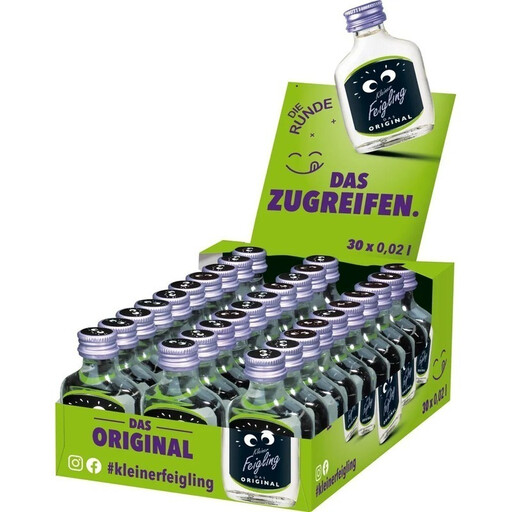
Why This Fits Their Persona: Ideal for parties and social gatherings. The small 20ml bottles are practical, hygienic, and foster a sense of community through the well-known drinking ritual. The sweet and fruity fig flavour is approachable and popular with a wide audience.
The small single-serving bottles prevent "bulk-buy regret." You don't have to open a large bottle, and there are virtually no leftovers. Each guest can help themselves without leaving behind a half-empty bottle.
Practical portion size for easy sharing; iconic cult status that creates a fun atmosphere; uncomplicated enjoyment without any mixing required.
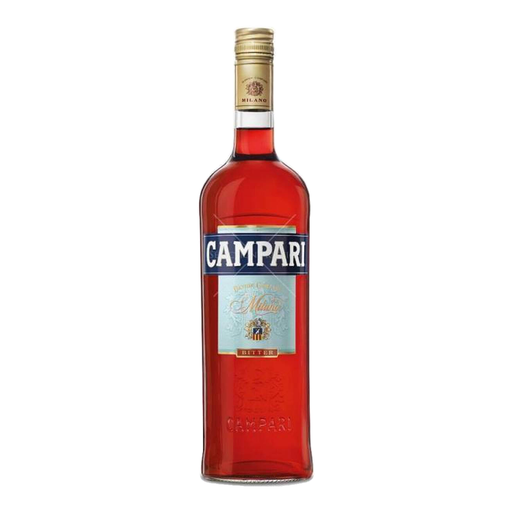
Why This Fits Their Persona: An indispensable classic for any home bar. Campari is the foundation for world-famous cocktails like the Negroni, Americano, or Campari Spritz. Its bittersweet complexity makes it a versatile liqueur for cocktails and a stylish aperitif.
Campari isn't a niche product but an established standard. The bottle won't go unused, as it can be featured in a wide variety of classic and modern drinks. The focus is clearly on the content and its function.
Extremely versatile for cocktails; iconic, bittersweet taste; a staple of international bar culture.
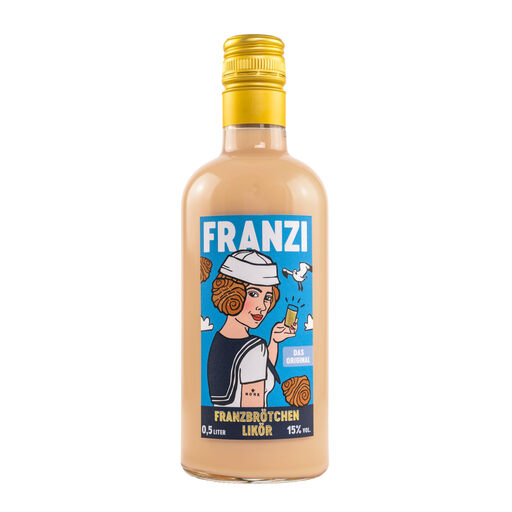
Why This Fits Their Persona: For anyone seeking a unique taste experience. This cream liqueur offers a liquid interpretation of the Northern German pastry specialty. The flavours of cinnamon, caramel, and butter make it an ideal digestif or an ingredient for specialty coffees.
This liqueur avoids the trap of mediocre content by offering a very specific and authentic flavour profile. It's not a generic cream liqueur, but a niche specialty that delivers on its promise: the taste of a Franzbr?tchen.
Unique, authentic flavour profile; creamy, velvety texture; versatile for desserts, coffee, or sipping neat.
We've curated a complete, up-to-date list of products that meet our strict selection criteria.
Most liqueurs, particularly herbal and fruit varieties, should be stored in a cool, dark place to protect their flavours. Unopened, they can often last for several years. Cream liqueur and other liqueurs containing dairy or eggs have a more limited shelf life. Once opened, they should be stored in the refrigerator and consumed within a few months. You can find the exact expiration date and storage instructions on the manufacturer's label.
The main difference is the sugar content. A liqueur is a spirit that has been flavoured and has a legally required minimum sugar content (usually 100 g/l). "Schnapps" is a colloquial umbrella term for various spirits. Technically, it usually refers to clear distillates (brandies) made from fruit or grain, which are typically unsweetened.
Yes, most liqueurs can also be enjoyed neat. Whether this is a good idea from a taste perspective depends on the specific product. An aperitif like Campari is often mixed with soda or juice but can also be enjoyed neat on ice by those who appreciate bitter notes. Fruit liqueurs like Peachtree or Blue Cura?ao are often very sweet and usually reach their full potential when combined with other ingredients in a cocktail.