
Lieferung heute & morgen

Qualitätsgarantie

Willkommens-Angebote freischalten: KOSTENLOSE Lieferung | Bis zu 80 % RABATT | Kostenlose 30-Tage-JoyPlus-Testphase
App herunterladen
The selection of liqueurs is vast, and whether you're searching for spirits online or standing in a store, finding the right product can be a challenge. From creamy liqueurs to bitter herbal varieties, the diversity is impressive. However, not every bottle delivers on its promise. As your Joybuy Product Recommendation Officer, I'll help you identify the crucial features and avoid common purchasing traps.
Before you buy a liqueur, you should be aware that marketing often promises more than the contents deliver. Here are three typical pitfalls:
liqueur gift, it's easy to be impressed by an elaborately designed bottle. However, an appealing appearance is no guarantee of quality. The focus should always be on what's inside: the ingredients, the production process, and the flavour profile.To make an informed decision, you should check three core parameters. These will help you objectively assess the quality of a liqueur.
According to EU regulations, a liqueur must have a minimum sugar content of 100 grams per litre (exceptions apply for some bitter liqueurs). This value significantly influences its character:
digestif after a meal. Well-known examples include J?germeister or Ramazzotti.The alcohol content is an indicator of the liqueur's intended use:
party shots. They are often milder and sweeter in taste.liqueurs for cocktails and some herbal liqueurs. They bring enough strength to hold their own in mixed drinks without being too dominant.A look at the ingredient list is essential. Look for clear specifications like "fruit distillate," "herbal extracts," or "fresh cream." Vague terms like "flavouring" often indicate lower quality. The base spirit should also be identifiable if possible (e.g., "with Irish whiskey" as in Baileys). These are objective features that help you when comparing spirits online.
Here are some recommendations tailored to different needs and occasions.
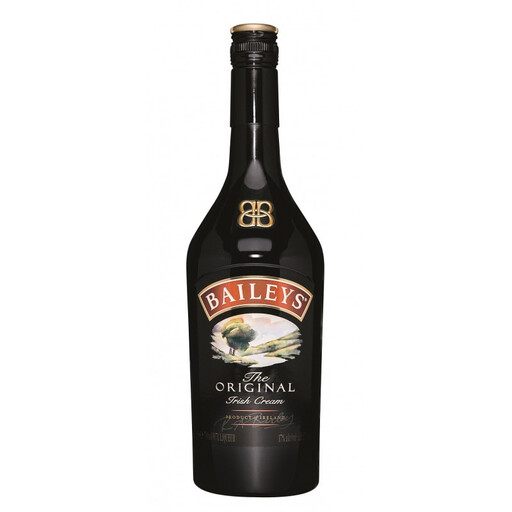
Why This Fits Their Persona: Ideal for anyone seeking a creamy and straightforward indulgence for quiet evenings. Its mild flavour is excellent neat on the rocks, as an enhancement for coffee, or drizzled over a dessert.
Baileys relies on a clearly declared, high-quality base spirit (Irish whiskey) and real Irish cream instead of artificial substitutes. The quality here is established and not just a facade.
Versatility: Can be used neat, on ice, in hot drinks, or desserts. Proven Quality: One of the most well-known brands in the cream liqueur segment with a consistent flavour profile.
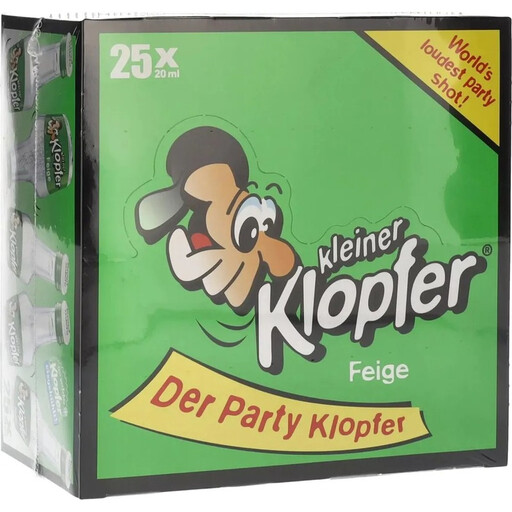
Why This Fits Their Persona: Perfect for hosts of parties and celebrations. The practical 20ml bottles are ideal party shots that can be distributed effortlessly and create a relaxed atmosphere.
This product is honest in its purpose: it's straightforward party fun. It doesn't try to be a complex, sophisticated liqueur. The base is clearly declared as vodka, and the focus is on the sweet fig flavour.
Convenient Portion Size: 25 individual bottles, ideal for sharing. Cult Factor: The well-known tapping ritual turns consumption into a communal experience.
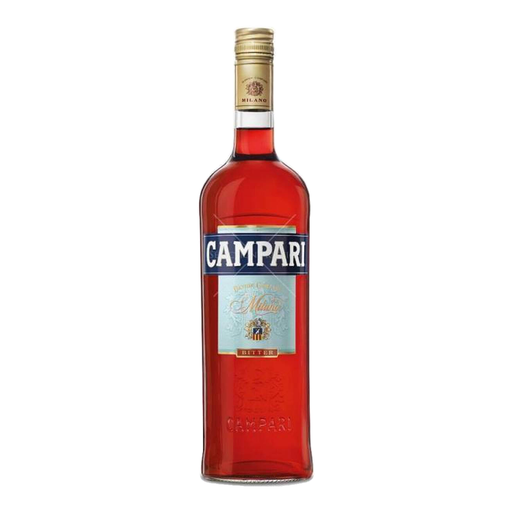
Why This Fits Their Persona: An indispensable building block for any home bar. As the base for classics like the Negroni, Americano, or Campari Spritz, it's the top choice for anyone who enjoys mixing sophisticated cocktails.
Campari is based on a secret recipe of herbs and fruits dating back to 1860. Its complex, bittersweet profile is authentic and cannot be imitated with simple flavourings. Here, you are buying tradition and a defined character.
Cocktail Foundation: An essential ingredient for world-famous drinks. Distinctive Profile: The unmistakable bittersweet taste adds a special note to any cocktail.
We've compiled a full, up-to-date list of products that fully meet these strict selection criteria and German regulations.
An aperitif is drunk before a meal to stimulate the appetite. It is often light, refreshing, and sometimes bitter, such as Campari or Aperol. A digestif is served after a meal and is intended to aid digestion. It is typically stronger, often an herbal liqueur (Ramazzotti, J?germeister) or a brandy, and can be sweeter or more bitter.
Cream liqueurs like Baileys or Ramazzotti Crema contain dairy products and are therefore more sensitive than other spirits. After opening, they must be stored in the refrigerator. Most manufacturers provide a recommended consumption period on the label, which is usually around six months. Unopened, they can be kept for much longer if stored in a cool, dark place.
In principle, yes. Liqueurs can be a wonderful ingredient to enhance desserts, sauces, or marinades. Fruit liqueurs pair well with fruit tarts and creams, coffee liqueurs elevate tiramisu and chocolate desserts, and herbal liqueurs can add a special note to savoury sauces. It's important to use the liqueur sparingly, as its flavour can be very intense.