
Lieferung heute & morgen

Qualitätsgarantie

Willkommens-Angebote freischalten: KOSTENLOSE Lieferung | Bis zu 80 % RABATT | Kostenlose 30-Tage-JoyPlus-Testphase
App herunterladen
Choosing the right litter box and litter is crucial for a harmonious life with your cat. However, the market is crowded and full of marketing promises. As a Joybuy Product Recommendation Officer, I'm here to help you separate fact from fiction and make an informed decision that meets both your cat's needs and your own standards for hygiene and convenience.
Many cat owners invest in products that quickly prove to be impractical or inadequate. Before you make a decision, you should be aware of the three most common pitfalls:
To find a sustainable and satisfactory solution, focus on three core aspects. These will help you separate the wheat from the chaff and choose a system that works for the long haul.
The design of the litter box is fundamental to its acceptance by your pet.
The choice of cat litter is just as important as the box itself. The main distinction is between clumping and non-clumping litter.
A self-cleaning litter box can significantly reduce daily maintenance, especially in multi-cat households. Modern devices like the PETKIT Purobot Max Pro2 detect when the cat has used the toilet and automatically sift the waste into a sealed compartment. Before purchasing, check if the device is compatible with various types of litter to avoid a costly dependency on a specific brand.
Here are some product recommendations tailored to the different requirements and lifestyles of cat owners in the UK.
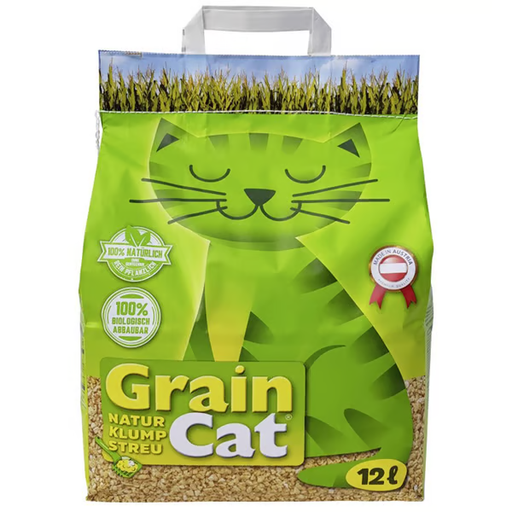
Why This Fits Their Persona: Ideal for cat owners seeking an effective yet sustainable and budget-friendly solution. The plant-based formula is lightweight and gentle on the environment.
Avoids the 'empty odour promises' trap by relying on the natural absorbency and odour-binding properties of plant fibres, rather than just masking smells with perfume.
According to the manufacturer, it's made from 100% renewable resources, is biodegradable, and the clumps can be disposed of in the household toilet.
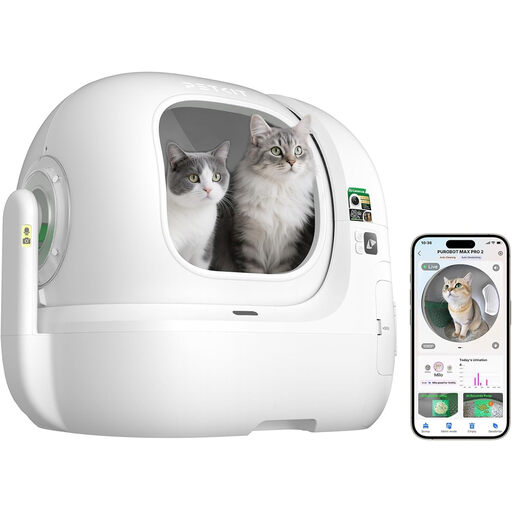
Why This Fits Their Persona: Perfect for multi-cat households or for owners who want the highest level of automation, hygiene, and data-driven health monitoring.
Sidesteps the 'hidden long-term costs' trap as it is compatible with various types of clumping litter, according to the manufacturer. The large entrance also avoids the problem of a too-small litter box.
Offers fully automatic cleaning, a triple odour control system, and an AI camera for health monitoring via an app.
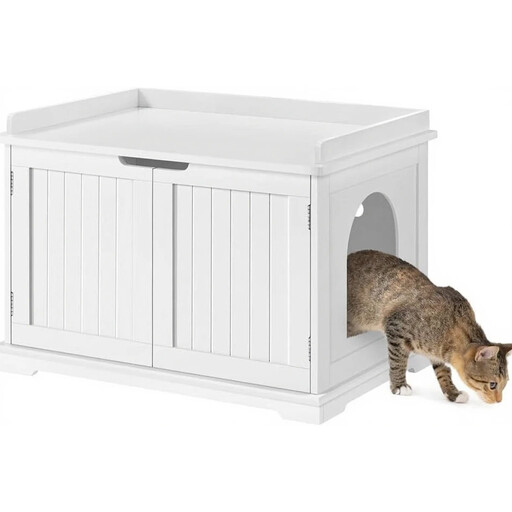
Why This Fits Their Persona: For anyone who wants the litter box to be a part of their decor, not an eyesore. Ideal for apartments where the litter box must be placed in a living area.
Solves the 'improper design' trap by providing an aesthetic and functional enclosure for a standard litter box. It improves the look while also reducing litter tracking.
Conceals the litter box, provides an additional shelf surface, and ensures air circulation with ventilation holes. The water-resistant surface is easy to clean.
A useful litter box accessory for almost any household is a litter mat like the Catlink Smart Cat Litter Mat. It traps litter from your cat's paws, significantly reducing cleaning efforts around the home.
We've compiled a complete, up-to-date list of products that fully meet these strict selection criteria and relevant safety standards.
When using clumping litter, clumps and solid waste should be removed at least once, preferably twice, a day. A complete cleaning of the litter box, including replacing all the litter, is recommended every 2 to 4 weeks, depending on the number of cats and the type of litter. For non-clumping litter, the entire box should be changed according to the manufacturer's instructions, usually within the same interval.
The transition to a new box or a new type of litter should be gradual. Initially, mix some of the old litter with the new. Place the new box next to the old one so the cat can get used to it. Products like Biokat's Trainer Pearls can also help. According to the manufacturer, they contain an attractant that draws the cat in and helps it accept the new toilet. Patience is key here.
Most self-cleaning models are optimised for use with high-quality, fast-clumping litter. A good clumping litter forms firm, compact clumps that the cleaning mechanism can reliably scoop and remove. Soft or crumbling clumps can clog or soil the device. Always read the device manufacturer's recommendations, as some models have specific requirements.