
Lieferung heute & morgen

Qualitätsgarantie

Willkommens-Angebote freischalten: KOSTENLOSE Lieferung | Bis zu 80 % RABATT | Kostenlose 30-Tage-JoyPlus-Testphase
App herunterladen
A well-chosen living room floor lamp is more than just a light source. It's a key design element that creates ambiance, defines reading nooks, and accentuates a room's style. However, the market is flooded with models whose attractive designs often mask functional flaws. Before you make a decision, it's crucial to understand the most common pitfalls that can lead to disappointment and unnecessary expense.
As a Joybuy Product Recommendation Officer, I'm here to help you navigate the marketing noise and make an informed choice. This guide focuses on the objective criteria that define a quality floor lamp.
Many buyers focus primarily on design, but a lamp's true quality only reveals itself in daily use. Pay attention to these three critical points to avoid a poor purchase:
wood floor lamp) or powder-coated metal (black floor lamp) are crucial for the product's longevity and tactile feel.To find the right floor lamp, you should focus on measurable and objective features. These three parameters are critical for function and durability.
A floor lamp's stability is directly related to the weight and diameter of its base in proportion to its total height. A rule of thumb: the taller and more expansive the lamp, the heavier and wider the base must be.
The choice of light source and its control options determine how versatile your lamp will be.
dimmable floor lamp is essential for adjusting the lighting to suit different moods—from bright task lighting to soft ambient light.uplighter with a reading arm is a practical solution that combines indirect room illumination with direct, focused light. This gives you a reading floor lamp and an ambient light in one.Your lamp's style should not only be aesthetically pleasing but also functionally appropriate for your space.
Here are some models that represent a considered choice for different user profiles, based on objective criteria.
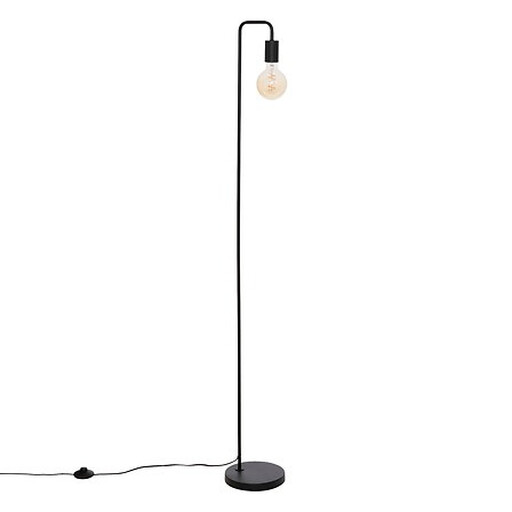
Why This Fits Their Persona: Ideal for users seeking a minimalist, no-frills design. Its slim form fits perfectly into corners or next to furniture without being obtrusive.
The solid concrete base ensures excellent stability, countering the trap of unstable construction. The E27 socket allows for a free choice of bulb.
Minimalist, industrial design; very high stability due to heavy base; flexible bulb choice.
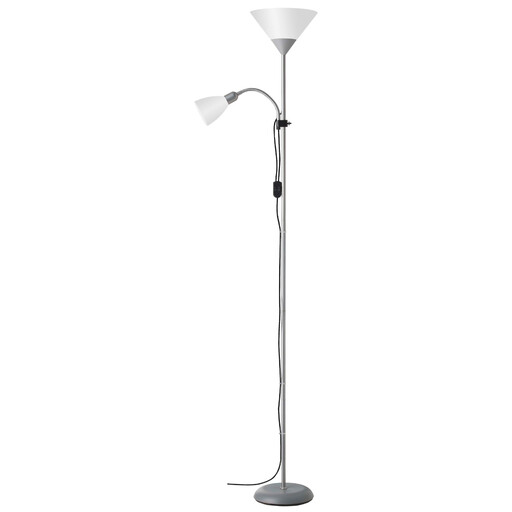
Why This Fits Their Persona: Perfect for anyone looking for an all-in-one solution for their reading nook and general room lighting. Functionality is the priority here.
This model solves the problem of inappropriate light quality by offering two separate light sources: an uplighter for indirect light and a flexible reading arm for direct light.
Combination of ambient and reading light; adjustable reading arm for targeted illumination; separate switches for both light sources.
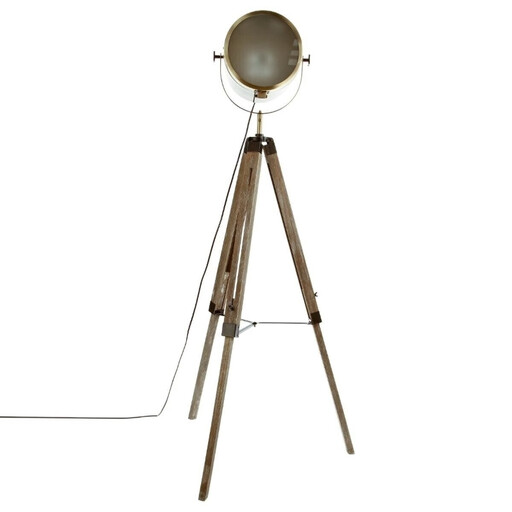
Why This Fits Their Persona: For users who view a lamp as a sculptural statement piece. The mix of materials and the striking design take centre stage.
The tripod construction is inherently stable and avoids the risk of tipping. The use of real metal and wood bypasses the trap of misleading material specifications and ensures a premium feel.
Striking industrial-style design; high stability due to the tripod structure; warm character from the mix of materials.
Proper lighting is also crucial in the workspace. We've compiled a list of products that meet strict selection criteria for functionality and safety.
The ideal height depends on its function. For general, diffuse room lighting, heights between 150 cm and 180 cm are common. For a reading lamp next to an armchair or sofa, the bottom edge of the lampshade should be at eye level when you are seated to avoid glare. With arc lamps, it's important to ensure there is sufficient clearance height under the arc.
For a cosy and inviting atmosphere in the living area, a warm white light colour between 2,700 and 3,000 Kelvin is generally recommended. This light feels relaxing and homely. For a dedicated reading nook, a more neutral white around 4,000 Kelvin can aid concentration but is often perceived as less cosy. A dimmable lamp offers the greatest flexibility here.
Most indoor floor lamps have a protection rating of IP20. The first digit (2) indicates that the lamp is protected against solid foreign objects with a diameter of 12.5 mm or more (e.g., fingers). The second digit (0) means there is no specific protection against water. For use in dry indoor spaces like the living room, this protection standard is perfectly sufficient.