
Lieferung heute & morgen

Qualitätsgarantie

Willkommens-Angebote freischalten: KOSTENLOSE Lieferung | Bis zu 80 % RABATT | Kostenlose 30-Tage-JoyPlus-Testphase
App herunterladen
A living room floor lamp is more than just a source of light. It's a key design element that creates atmosphere, illuminates reading nooks, and accentuates a room's style. However, with the vast array of designs, features, and lighting technologies available, making a choice can be a challenge.
As your Joybuy Product Recommendation Officer, my job is to provide you with clear, objective guidance. This guide introduces various models and explains the key criteria to consider, helping you find a functional and fitting lighting solution for your home.
Before you decide on a model, the following points will help you clarify your needs and make an informed choice.
The way a lamp produces light significantly determines its effect in a room.
The choice of bulb affects both energy consumption and the lighting mood.
The floor lamp should blend harmoniously into your interior design concept. A modern floor lamp made of metal in black or chrome adds clean, minimalist accents. A designer floor lamp with an unusual shape can become a focal point. In contrast, models made of wood or with fabric shades complement a natural or Scandinavian style, creating an especially warm ambiance.
Here is a selection of floor lamps that meet various functional and design requirements.
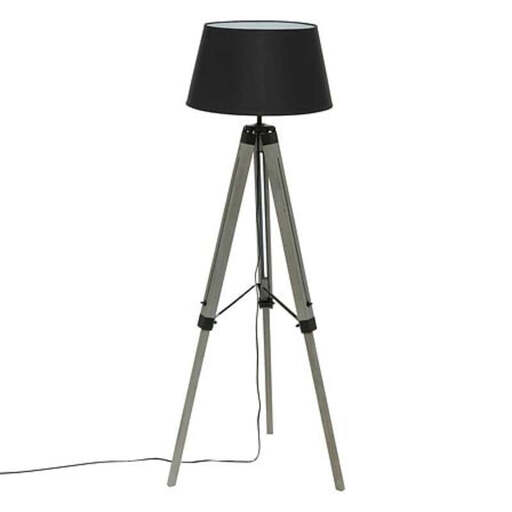
Why it stands out: The Runo Tripod Floor Lamp by Atmosphera combines a timeless tripod design with modern functionality. Its frame ensures a stable footing and gives the lamp a sculptural presence without being obtrusive.
Advantages:
Who is it for? This model is an excellent choice for anyone looking for a modern floor lamp with clean lines. It fits well into minimalist, Scandinavian, or industrial interior styles and serves as a functional light source in the living room, bedroom, or office.
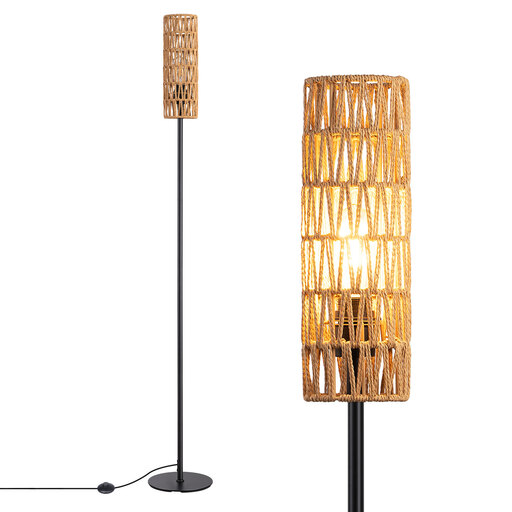
Why it stands out: The Dewenwils Edishine Floor Lamp is distinguished by its braided rope lampshade. This natural material filters the light, creating an exceptionally soft and warm ambiance reminiscent of the boho style.
Advantages:
Who is it for? Ideal for fans of boho, vintage, or natural aesthetics. This lamp is perfect for creating a relaxed and inviting atmosphere in the living room or bedroom. It's an excellent choice for mood lighting next to the sofa or in a quiet corner.
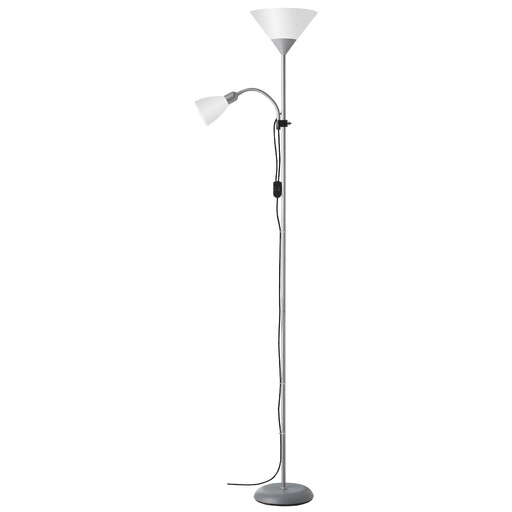
Why it stands out: This model from Brilliant is a prime example of a multifunctional lighting solution. It combines an uplighter for pleasant indirect lighting with a flexibly adjustable reading arm for direct light.
Advantages:
Who is it for? This lamp is the right choice for users seeking maximum functionality. It's the perfect lamp for the sofa corner, as it provides a cosy ambient mood while also delivering bright light for reading or crafts when needed.
While the models presented here are primarily designed for living rooms and bedrooms, a workspace often requires a different type of lighting. If you need a lamp with more neutral light or specific features for focused work, you can find more options in our category.
? Discover our selection of Floor Lamps for the Home Office here.
1. What light colour is suitable for a living room floor lamp? For a cosy and relaxing atmosphere in the living room, a warm white light colour is recommended. This corresponds to a colour temperature of about 2,700 to 3,300 Kelvin. This light has a yellowish hue and is perceived as particularly comfortable, similar to the light of a traditional incandescent bulb.
2. What is the difference between direct and indirect lighting?Direct lighting shines light specifically onto a particular surface, such as a book or a table. It creates distinct cones of light and stronger shadows. Indirect lighting, on the other hand, casts light onto a large surface like the ceiling or a wall, from which it is diffusely reflected into the room. This provides soft, even, and low-shadow illumination.
3. What is the best way to position a floor lamp in a room? Placement depends on its function. A reading lamp should be placed directly next to an armchair or sofa so that the light falls onto the book pages from above or the side. A lamp for mood lighting can be placed in an empty corner to visually expand the space and create a cosy island of light. An uplighter is often positioned more freely in the room to best cast its light onto the ceiling.