
Lieferung heute & morgen

Qualitätsgarantie

Willkommens-Angebote freischalten: KOSTENLOSE Lieferung | Bis zu 80 % RABATT | Kostenlose 30-Tage-JoyPlus-Testphase
App herunterladen
The aroma of freshly baked bread or a moist cake is unbeatable. A good loaf pan is the foundation for achieving this. However, the market is flooded with products whose promises often don't hold up in practice. Many home bakers invest in a pan that quickly warps, has a coating that peels, or browns baked goods unevenly. This guide will show you what to look for to find a durable and functional baking pan that meets your needs.
Before we dive into the important features, let's highlight the three most common problems that lead to a bad buy. Recognising these weaknesses will help you distinguish marketing hype from genuine quality features.
To avoid the problems mentioned above, you should check three crucial technical aspects before buying. These define the performance and longevity of your future bread pan or cake pan.
The material is critical for an even baking result.
A high-quality non-stick baking pan makes your work much easier. Pay attention to the type of coating.
The dimensions of the pan must match your baking projects.
Here are some recommendations tailored to different needs and baking habits.
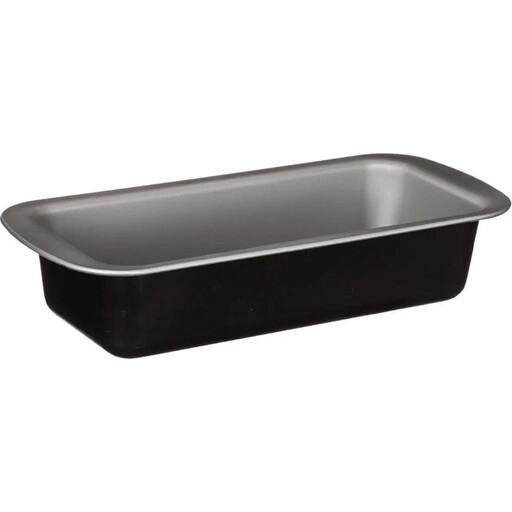
Why This Fits Their Persona: Ideal for those who bake occasionally and are looking for functional, essential equipment without a high investment. The 25 cm size is perfect for smaller cakes and breads and fits in any kitchen.
Although it's a basic model, its standard size avoids the pitfall of incorrect dimensions for common recipes.
Solid metal construction for an entry-level price. Compact size for smaller households and easy storage.

Why This Fits Their Persona: Perfect for anyone who bakes regularly, especially with demanding doughs like sourdough. This pan is designed for durability and first-class baking results.
The enamelled base is acid-proof and scratch-resistant, which avoids the "non-stick illusion." The coating will not be degraded by sourdough. The thick material also prevents warping.
Acid-resistant enamel base, ideal for sourdough. KAIRAMIC non-stick coating for easy release. Heat resistant up to 250°C.

Why This Fits Their Persona: For bakers who strive for the perfect, uniformly shaped sandwich or toast bread. The lid ensures a fine crumb and a precise square shape, just like you'd get from a professional bakery.
This pan solves the problem of lacking functionality. The lid is a specific feature that ensures a professional baking result for toast bread and prevents uneven rising.
Includes a lid for perfectly shaped loaves. Good non-stick properties for easy release. Ideal for uniform baking results.
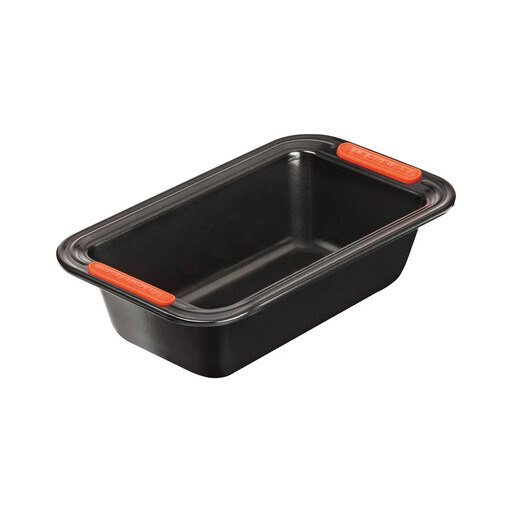
Why This Fits Their Persona: For home bakers who value brand quality, durability, and thoughtful design. The Le Creuset Loaf Pan is an investment in reliable bakeware for a wide range of uses.
This pan combats the pitfall of warping by using heavy-gauge carbon steel. The high-quality, PFOA-free non-stick coating is designed for longevity.
Warp-resistant carbon steel for even heat distribution. Heat-resistant silicone inserts on the handles for a secure grip.
We've compiled a complete, up-to-date list of products that fully meet these strict selection criteria and safety standards.
1. How do I properly clean a non-stick loaf pan to extend its lifespan? Clean the pan exclusively by hand with warm water, a mild dish soap, and a soft cloth or sponge. Avoid abrasive scouring pads and metal utensils, as they will permanently damage the coating. Always let the pan cool completely before bringing it into contact with water to prevent thermal shock.
2. Is an enamelled loaf pan really suitable for sourdough bread? Yes, absolutely. Enamel is a glass-like, non-porous surface that is impervious to the acid in sourdoughs. Unlike simple non-stick coatings, it will not be attacked or damaged. This makes enamelled pans a very good and durable choice for regularly baking sourdough breads.
3. Do I absolutely need a loaf pan with a lid? A lid is not necessary for every baking project, but it offers significant advantages for certain types of bread. It is particularly useful for making toast or sandwich bread, as it contains the rising dough, creating a very uniform, square shape and a fine, dense crumb. For most pound cakes or rustic breads, a lid is not required.