Joybuy Insights

Loaf Pan Buying Guide: Find the Right Pan for Bread and Cakes

By Joybuy Product Recommendation Officer, August 28, 2026

The aroma of freshly baked bread or a moist cake is simply divine. A good loaf pan is the cornerstone of great baking results. However, the market is flooded with models whose marketing promises often hide more than they reveal. Before you make a decision, it's crucial to understand the common pitfalls that can lead to a purchase you'll regret.

This guide will help you identify the key features and find a pan that truly suits your baking projects—whether it's for a rustic sourdough, a fluffy pound cake, or a perfect sandwich loaf.

3 Common Pitfalls When Buying a Loaf Pan

Many baking pans look sturdy and practical at first glance, but only reveal their weaknesses after a few uses. Pay attention to these three points to avoid disappointment.

  1. The Short-Lived Non-Stick Coating: Finding a high-quality non-stick loaf pan is a challenge. Many low-cost coatings wear out quickly, especially when they come into contact with acidic doughs like sourdough. Scratches from metal utensils or harsh cleaning agents accelerate this process, causing baked goods to stick and rendering the pan unusable.
  2. Unstable Materials and Poor Heat Conduction: Very thin sheet metal tends to warp at high oven temperatures. This leads to unevenly browned results. Pure silicone baking pans without a stabilizing frame can be wobbly when filling and transporting, which makes handling difficult and can compromise the shape of your cake.
  3. Misleading Size Specifications: A pan advertised as "large" isn't necessarily suitable for a 1 kg loaf of bread. Vague or missing volume or weight specifications can cause the dough to overflow or prevent the bread from achieving its desired height.

What Really Matters: The Key Selection Criteria

To find the right baking pan for bread or cake, focus on these three objective features.

1. The Material: Steel, Silicone, or an Enameled Base?

The material determines your cake pan's baking properties, durability, and maintenance requirements.

  • Carbon Steel and Aluminized Steel: These materials are the standard for many baking pans. They offer excellent heat conduction, which leads to even browning. The material thickness is crucial here. Thicker material is more resistant to warping and retains heat better. It's a great choice for most cakes and breads.
  • Silicone with Reinforcement: A modern silicone baking pan offers the advantage of extremely easy release and can often be cleaned in the dishwasher. Look for models with an integrated steel frame or reinforced handles. This design prevents bending and ensures stability.
  • Steel with an Enamel Base: For ambitious bakers, especially those making sourdough, a sourdough loaf pan with an enameled base is a worthwhile investment. The glass-like enamel surface is cut- and scratch-resistant, as well as completely impervious to fruit acids and sourdough.

2. The Coating: More Than Just "Non-Stick"

The quality of the non-stick coating is critical for longevity.

  • PTFE Coatings: This is the most common type. There are significant quality differences here. Look for multi-layer or ceramic-reinforced versions, as they are more durable.
  • Ceramic Coatings: These are often harder and more scratch-resistant than simple PTFE coatings. Brands like Kaiser, for example, use special ceramic coatings (e.g., KAIRAMIC) that claim to offer exceptional durability.
  • Uncoated Enamel: An enameled base requires no additional non-stick layer. It is naturally robust and easy to clean but should always be well-greased before baking.

3. Special Features for Specific Baking Projects

Some details make the difference between a good result and a perfect one.

  • Loaf Pan with a Lid: This is essential if you're looking for a classic American sandwich loaf or a pullman loaf pan. The lid ensures that the bread rises evenly and develops a fine crumb and the characteristic square shape.
  • Dimensions and Volume: A standard 30 cm loaf pan is generally suitable for breads weighing around 750 g to 1 kg. For smaller households or special recipes, a 25 cm pan may be sufficient. Always check the manufacturer's specifications for capacity in liters or the recommended amount of dough.

Top Picks for Every Baker

Here are some recommendations tailored to the specific needs of home bakers.

MATCH FOR: The Sandwich Loaf Specialist
BJ Toast Mold Non stick Toast Box 450g with Lid Golden Bread Mold Toast Box Oven Cake Baking Mold

BJ Toast Mold Non-Stick 450g Toast Box with Lid

Why This Fits Their Persona: Ideal for bakers who want to bake the perfect, uniformly shaped sandwich or toast bread. The lid isn't an extra here; it's an essential tool for achieving the desired result.

How It Avoids the Trap

The pan is designed for a specific purpose. The lid ensures an even crumb and the classic rectangular shape, which is impossible to achieve with an open-top pan.

Key Advantage & Pros

Enables the baking of perfectly square loaves. The non-stick coating makes it easy to release the finished toast.

MATCH FOR: The Sourdough Enthusiast
Original Kaiser La Forme Plus 30 cm Bread Baking Tin for 1 kg Loaves, Enamel Base, Non-Stick Loaf Pan for Bread and Cakes, Sourdough Resistant

Original Kaiser La Forme Plus 30 cm Bread Pan

Why This Fits Their Persona: Perfect for anyone who regularly bakes with sourdough or fruit-filled doughs and needs an extremely durable, robust pan that can even withstand a knife.

How It Avoids the Trap

Solves the "non-stick trap" with a cut- and acid-resistant enamel base. The coating is not attacked by acidic dough, ensuring a long lifespan.

Key Advantage & Pros

Extremely robust and acid-resistant. The ceramic-reinforced non-stick coating on the sides and the cut-resistant base offer superior functionality.
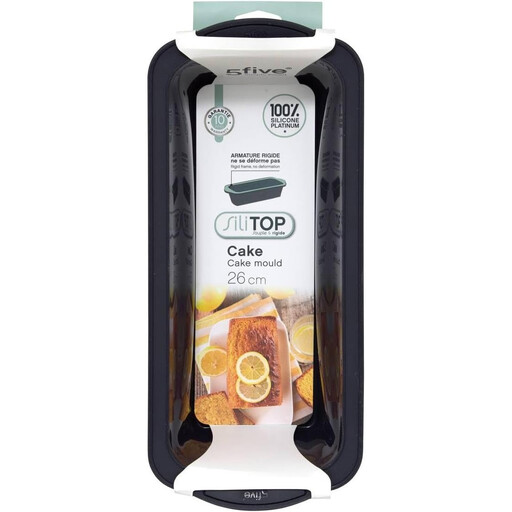
MATCH FOR: The Pragmatic Everyday Baker
5five Silitop Silicone Loaf Tin 26 cm Long

5five Silitop 26 cm Silicone Loaf Pan

Why This Fits Their Persona: For bakers who value straightforward handling and quick cleanup. The combination of flexibility and stability makes it a versatile tool for cakes and breads.

How It Avoids the Trap

Avoids the wobbly silicone pan trap with an integrated, rigid frame. This ensures secure handling without sacrificing the benefits of the flexible material.

Key Advantage & Pros

Extremely easy release of baked goods and dishwasher-safe for maximum convenience. Temperature resistant from -20 °C to 220 °C.

Looking for More Options?

We have compiled a complete, up-to-date list of products that fully meet these strict selection criteria and German safety regulations.

## Frequently Asked Questions (FAQ)

1. How do I clean my loaf pan correctly to protect the non-stick coating?

Most manufacturers recommend hand washing, even if a pan is labeled as dishwasher-safe. Use warm water, mild dish soap, and a soft sponge. Avoid abrasive scouring pads or harsh cleaners. Dry the pan thoroughly after cleaning to prevent rust from forming on any uncoated edges.

2. Is a silicone loaf pan as good for bread as a metal one?

Both materials have their advantages. Metal pans, especially those made of thick steel, conduct heat more directly and produce a stronger, crispier crust, which many bread bakers prefer. Silicone pans excel with their outstanding non-stick properties and easy cleanup. Models with steel reinforcement offer a good combination of stability and flexibility and are an excellent modern alternative.

3. What size loaf pan do I need for a 1 kg loaf of bread?

For a bread made with 1 kg of flour (plus ingredients, resulting in a dough weight of about 1.5-1.8 kg), you will need a large pan. A 35 cm loaf pan is typically a good choice for this. For a bread made with 500 g of flour (approx. 750 g to 1 kg of dough), a 30 cm pan is usually sufficient. Always refer to the manufacturer's volume specification, which is often given in liters.