
Lieferung heute & morgen

Qualitätsgarantie

Willkommens-Angebote freischalten: KOSTENLOSE Lieferung | Bis zu 80 % RABATT | Kostenlose 30-Tage-JoyPlus-Testphase
App herunterladen
Many home bakers know the disappointment: a new baking pan warps after just a few uses, the non-stick coating peels, or the bread sticks stubbornly to the bottom. These aren't isolated incidents; they're often the result of hidden material flaws or exaggerated marketing claims. Before you invest in a new loaf pan, it's worth knowing the most common traps to avoid buyer's remorse. A great product isn't just about price, but the right balance of material, size, and intended purpose.
To make an informed decision, you should examine three key features. These determine the pan's durability, baking performance, and versatility.
The material is the deciding factor for even browning and a long lifespan.
The dimensions of a loaf pan are often standardised, but the details make the difference.
Not every pan is equally suited for every purpose.
Here are some recommendations tailored to different needs and use cases.

Why This Fits Their Persona: Ideal for those who regularly work with demanding doughs like sourdough and need a durable, robust pan that performs reliably for years to come.
The glass-like enamel base is cut-resistant and completely impervious to the acidity of sourdough. This prevents the typical wear and tear seen on conventional non-stick coatings.
Acid and Cut Resistance: The enamelled base is extremely durable. KAIRAMIC Coating: The ceramic-reinforced non-stick coating on the sides ensures easy release.
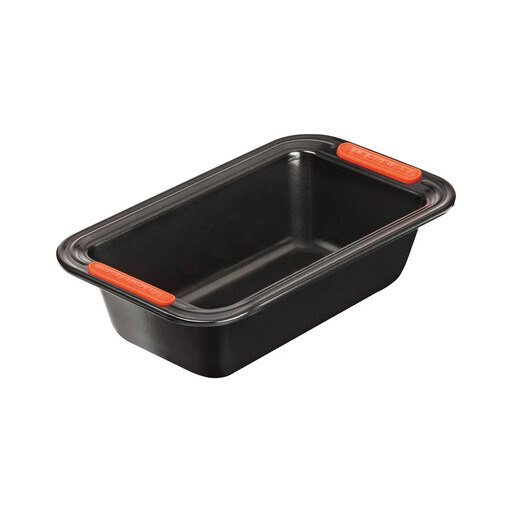
Why This Fits Their Persona: Perfect for bakers who want a versatile, extremely stable pan for cakes, breads, and even p?tés, and who value premium craftsmanship and longevity.
Made from heavy-gauge carbon steel, this pan is warp-resistant and withstands high temperatures without issue. This prevents the common problem of poor structural stability.
Excellent Heat Distribution: The thick carbon steel ensures perfectly even browning. Secure Grip: Wide rims with heat-resistant silicone inserts make handling easier.
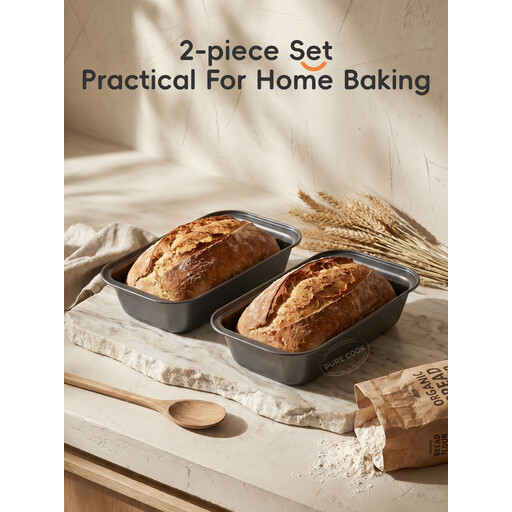
Why This Fits Their Persona: A practical and economical solution for those taking their first steps in baking or looking for a solid starter set for occasional cakes and breads.
Unlike very cheap tin pans, this set is made from thickened carbon steel, which provides better heat conduction and structural stability for more even baking results.
Excellent Value for Money: You get two solid pans for the price of one. Good Heat Conduction: The carbon steel ensures reliable and even browning.
We've compiled a complete, up-to-date list of products that fully meet our strict selection criteria and safety standards.
1. What's the best way to clean a non-stick loaf pan? To protect the coating, hand-washing with warm water, a mild detergent, and a soft cloth or sponge is recommended. Abrasive cleaners, steel wool, or cleaning in the dishwasher can damage the non-stick properties and shorten the pan's lifespan.
2. Is a silicone or metal loaf pan better for bread? For breads, especially those requiring a crisp crust, a metal loaf pan (carbon steel) is generally the better choice. Metal conducts heat exceptionally well, promoting deep browning. While silicone pans are flexible and offer great non-stick properties, they can provide less support for heavy doughs and often result in a softer crust.
3. Can you bake sourdough bread in any loaf pan? In theory, yes, but it's not recommended. The natural acidity in sourdough can attack and damage basic non-stick coatings over time. For regular sourdough baking, a pan explicitly labelled as a sourdough-safe baking pan—one with an enamel base or a special ceramic-reinforced coating—is a much more durable and safer option.