
Lieferung heute & morgen

Qualitätsgarantie

Willkommens-Angebote freischalten: KOSTENLOSE Lieferung | Bis zu 80 % RABATT | Kostenlose 30-Tage-JoyPlus-Testphase
App herunterladen
A good loaf tin should do more than just give you a rectangular shape. When you're baking bread, cake, sandwich loaf or savoury bakes, the material, internal dimensions and care instructions all determine whether your bake releases easily and the tin lasts. If you only focus on a flashy non-stick coating or a low price, you can easily miss the important details.
A loaf tin labelled as "30 cm" isn't automatically 30 cm long on the inside. The thickness of the rim, handles and the tin's construction can all change the usable volume. For recipes, what really matters is the capacity in litres or the recommended amount of dough or bread.
A 25 cm loaf tin, for example, is ideal for smaller households and compact cakes. A 30 cm loaf tin offers more space, but also needs a matching amount of dough. If you underfill the tin, your bread can turn out flat. If you use too much dough, it risks rising over the edge.
A bread tin with a non-stick coating can make releasing your bake easier. However, the coating will only stay intact if you avoid using metal knives, forks or abrasive sponges. Even with coated tins, a light greasing is still a good idea depending on the recipe.
Crucially, the cleaning instructions can vary from one model to another. Some tins are dishwasher-safe, while others must be washed by hand only. So it's worth checking the product description carefully before you buy.
An oven-proof loaf tin isn't automatically suitable for the microwave, grill function or hob. Temperature limits and any restrictions must be clear from the manufacturer's details. For the microwave, the material approval is key; metal tins are generally not suitable.
A metal loaf tin made from steel heats up quickly and offers firm stability. It works well for bread, sponge cakes and savoury bakes. Coated steel tins should be used with wooden, silicone or heat-resistant plastic utensils.
A silicone loaf tin is flexible and can make releasing your bake easier. However, with very soft materials, a stabilising frame can be important. The 5five Silitop model combines steel and silicone and has a built-in rigid frame. According to the product details, it's suitable for temperatures from -20 °C to 220 °C and can be used in the freezer as well as the oven.
Volume is a practical way to compare:
For sourdough, buyers should also check for acid resistance. Not every coating is intended for this use.
Before you buy, check these details on the product page:
A heavier tin can be more stable, while a lighter model is easier to store. For frequent baking, you'll also want easy-grip rims, a sturdy frame and a coating that can be cared for without harsh cleaning.
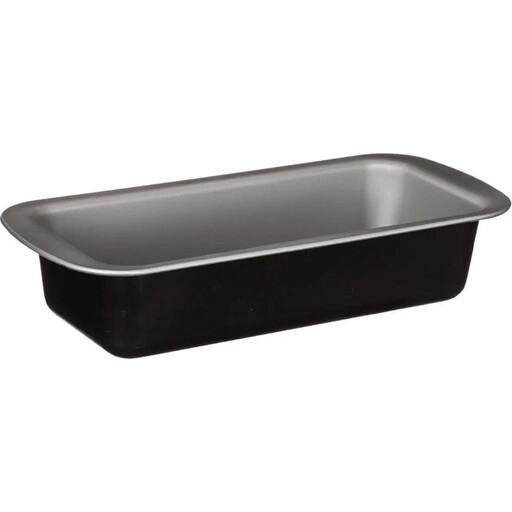
Why this product fits the profile: This 25 cm loaf tin is designed for smaller loaves and cakes, with a capacity of 1.3 litres. It's suitable for the oven and takes up very little storage space.
The stated length, width, height and capacity make it easy to match with recipe quantities. The product details also clearly state that it requires hand washing and is not suitable for the microwave.
Metal construction, 1.3 litre capacity and suitable for use in a conventional oven.

Why this product fits the profile: This tin, made from coated steel with an enamelled base, is designed for loaves up to 1,000 g and is oven-safe up to 250 °C.
The manufacturer's details state the maximum temperature, the recommended hand washing and its suitability for bread and cake. This means the key buying criteria are clearly laid out.
Enamelled base, 30 cm length, capacity for 1,000 g of bread and heat resistance up to 250 °C.

Why this product fits the profile: This sandwich loaf tin with a lid is designed for evenly shaped loaves. According to the product description, the coated version is also suitable for small cakes and mini loaves.
The lid controls the shape during baking. The stated bread weight of 450 g helps you judge the dough quantity rather than relying only on the external length.
Lid for a defined sandwich loaf shape and non-stick coating for easier release.
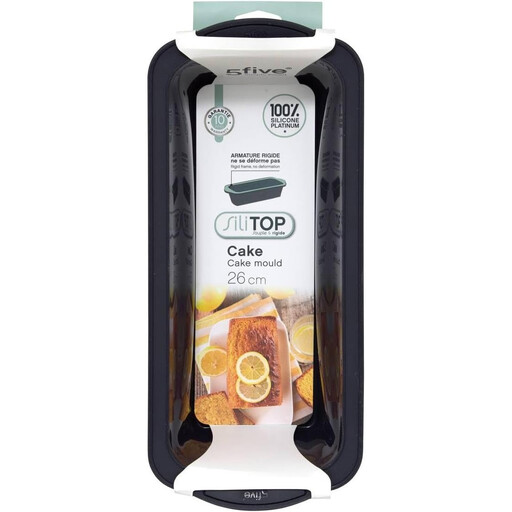
Why this product fits the profile: The combination of steel and silicone offers flexibility with a built-in rigid frame. This tin is suitable for bread, cake and other oblong oven dishes.
The frame reduces warping when carrying and filling. Temperature ratings from -20 °C to 220 °C make the intended usage clear.
1.59 litre capacity, dishwasher-safe according to product details, and suitable for use in the oven and microwave.
We've put together a full, regularly updated list of products that fully meet these strict selection criteria and the safety regulations in force in the EU.
A tin for bread and cake should have the right capacity, a clear temperature rating and a height that suits your dough. Metal tins offer firm sides and direct heat conduction. Silicone models often make releasing easier, but should have a sturdy frame. For sourdough, you'll need an acid-resistant version.
For a loaf of around 1,000 g, the tin should be specifically designed for that amount of bread. A 30 cm bread tin can be suitable if the stated capacity and internal dimensions match your recipe. Don't judge the dough quantity by the external length alone.
How long a tin lasts depends on the material, coating, temperature exposure and care. Coated metal tins should be washed by hand with a soft sponge; sharp and metal utensils can damage the surface. If you see visible scratches, peeling coating or warping, stop using the tin. A robust, uncoated loaf tin can last a long time with proper care, but may need more careful greasing depending on the recipe.