
Lieferung heute & morgen

Qualitätsgarantie

Willkommens-Angebote freischalten: KOSTENLOSE Lieferung | Bis zu 80 % RABATT | Kostenlose 30-Tage-JoyPlus-Testphase
App herunterladen
A loaf tin is a staple in many British kitchens, used for baking bread, cakes, sandwich loaves and savoury oven dishes in a long, rectangular shape. Yet unclear information about size, capacity or coating often leads to the wrong purchase. What matters isn't just how it looks, but whether the tin suits your recipe, your oven and your cleaning routine.
A stated length of 30 cm doesn't automatically tell you the usable baking area. The inner walls, rim height and shape all affect how much batter or dough actually fits inside. For a 1 kg loaf of bread, a 1 kg bread tin is the sensible choice, while larger models for 1,500 g loaves need noticeably more space.
Height matters too: a shallow tin is better suited to flat cakes or savoury bakes. For yeasted bread, sponge cakes and sandwich loaves, you need enough room for the dough to rise.
A non-stick coated baking tin can make releasing bread and cakes easier. However, the coating only stays intact with the right cleaning method and suitable kitchen utensils. Metal knives, abrasive scouring pads and sudden temperature changes can damage the surface.
That's why it's important to check the care instructions. Some coated steel tins are explicitly not dishwasher-safe and should be washed by hand with mild washing-up liquid.
The maximum oven temperature doesn't apply to every component or every use case. With a silicone loaf tin that has a sturdy frame, you should look at the ratings for the silicone, the metal frame and the microwave separately. Glass and cast iron are also sensitive to extreme temperature changes. Placing a hot tin directly onto a cold or wet surface can cause material stress.
When choosing a loaf baking tin, these rough guidelines can help:
A model with a 1.59-litre capacity is not the same as a tin for 1 kg of bread dough. Different types of dough rise by different amounts. With yeasted dough and sourdough, you shouldn't fill the tin right to the rim.
Steel heats up relatively quickly and can help achieve a good, deep browning. An enamel base can be scratch-resistant, but you should still avoid using sharp metal tools on it.
Silicone is flexible and makes releasing baked goods easier. An integrated steel frame can add stability. Without a stabilising frame, a soft silicone tin filled with batter can be trickier to get safely into the oven.
Glass is transparent, and dishwasher- and microwave-safe if the manufacturer says so. It's also suitable for cakes and savoury oven dishes. Because of its heavier weight and the risk of breakage, you need to be careful when moving it and with sudden temperature changes.
Enamelled cast iron retains heat for a long time and is great for casseroles or gratins. However, these tins are significantly heavier than a classic cake tin and usually take up more space in your kitchen cupboard.
Before you buy, you should check the following:
The product specifications are what matter. A tin that can only be washed by hand is less suitable for households that regularly use the dishwasher.
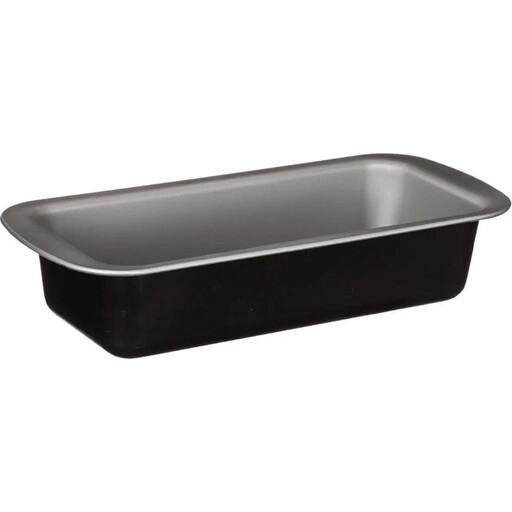
Why this product fits the profile: This compact metal tin with a 1.3-litre capacity is ideal for smaller cakes and loaves in a standard oven.
The stated capacity makes recipe selection easier. It requires hand washing, so there's no false expectation about dishwasher use.
25 cm length, 1.3 litre capacity, oven-safe and lightweight at around 230 g.
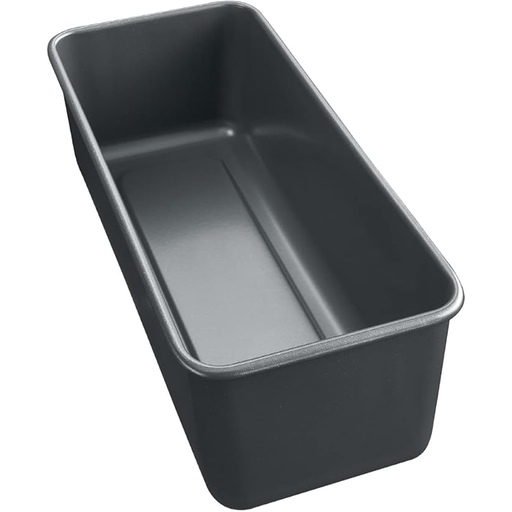
Why this product fits the profile: This steel tin with a KAIRAMIC coating and enamelled base is designed for users who value shape stability and clear care instructions.
The maximum oven temperature of 250 °C and the fact it's not dishwasher-safe are clearly stated. Metal utensils should not be used.
30 × 11 × 8 cm, steel construction, enamelled base and a stated 10-year guarantee on the non-stick coating.
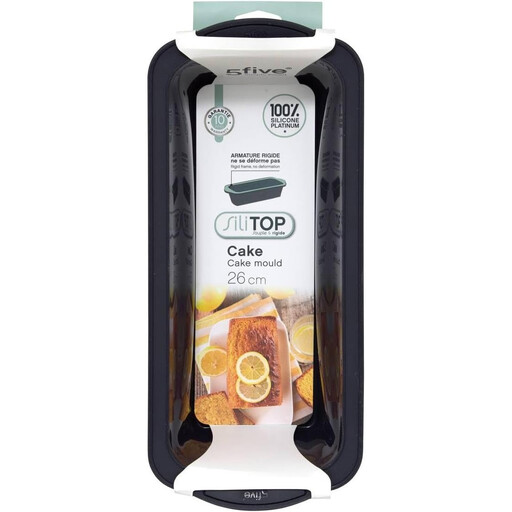
Why this product fits the profile: The combination of steel and silicone offers flexible release with an integrated frame for extra stability when filling.
The frame reduces the risk of a soft silicone tin warping. The temperature range of -20 °C to 220 °C clearly defines its intended use.
26 cm length, 1.59 litre capacity, suitable for oven and microwave, and dishwasher-safe.

Why this product fits the profile: This larger model is designed for bread loaves up to 1,500 g and can also be used for cakes and savoury bakes.
The stated bread weight prevents the tin from being judged solely by its external length. The manufacturer also specifies a maximum oven temperature of 250 °C.
35 cm length, designed for 1,500 g of bread, coated steel with an enamelled base.
We've put together a full, regularly updated list of products that meet these strict selection criteria and all applicable EU safety regulations.
To keep your loaf tin in good condition for as long as possible, follow the manufacturer's instructions:
A 1 kg bread tin should be explicitly designed for around 1,000 g of bread. A 30 cm model might work, but the internal dimensions, height and capacity are what really matter. With sourdough and doughs that rise a lot, you should allow for extra headroom.
That depends on what you're using it for. Silicone's flexibility often makes releasing baked goods easier, and it can be dishwasher-safe. Metal heats up directly and provides a rigid shape. A combination of a steel frame and silicone can offer the best of both. The key factors are always the temperature limit, care instructions and stability.
There's no one-size-fits-all answer. It depends on cleaning, temperature, storage and the utensils you use. Scratches, overheating and harsh cleaning agents can damage the coating. A tin that's looked after properly will generally stay in good working order longer than one whose care instructions are ignored.