
Lieferung heute & morgen

Qualitätsgarantie

Willkommens-Angebote freischalten: KOSTENLOSE Lieferung | Bis zu 80 % RABATT | Kostenlose 30-Tage-JoyPlus-Testphase
App herunterladen
A loaf tin shouldn't just fit in your oven. What really matters is the amount of dough, the shape of bread you want, the material, and how easy it is to clean. If you only focus on a flashy non-stick coating or an impressively large length measurement, you could end up dealing with uneven baking, stubborn release, or a delicate surface.
The description "loaf tin 30 cm" doesn't always refer to the usable internal length. External measurements, internal measurements and capacity can all differ. What really counts when choosing is how much dough the tin can hold and whether it fits in your oven.
A non-stick loaf tin often makes it easier to release your bake. However, the coating can be damaged by metal utensils, scouring pads, extreme temperature changes or harsh cleaning products. That's why many models are explicitly designed for hand washing only.
An open loaf tin is ideal for classic mixed-flour loaves, cakes or meatloaf. For square sandwich bread, you'll want a loaf tin with a lid – in other words, a dedicated bread tin. Sourdough can also be tough on acid-sensitive materials. Look for descriptions that specifically mention "sourdough-resistant" in the product details.
Base your choice on your typical household needs:
Don't fill the tin right to the brim. Yeast dough and sourdough need room to rise. Always follow the manufacturer's recommendations for the suggested dough or bread weight.
A carbon steel baking tin is sturdy and conducts heat well. However, it can get very hot and shouldn't be used on the hob, grill or over an open flame unless the manufacturer says otherwise.
Coated steel, carbon steel with a non-stick layer, and enamelled bases each offer different features:
Also check the maximum temperature. For the models listed below, manufacturer ratings range from 220 °C, 240 °C or 250 °C, depending on the product. This is not the same as being suitable for microwave, hob or induction.
How long your tin lasts depends a lot on how you care for it. Let the tin cool completely before cleaning. Use warm water, mild washing-up liquid and a soft sponge. Silicone, wooden or heat-resistant plastic utensils protect the surface better than metal ones.
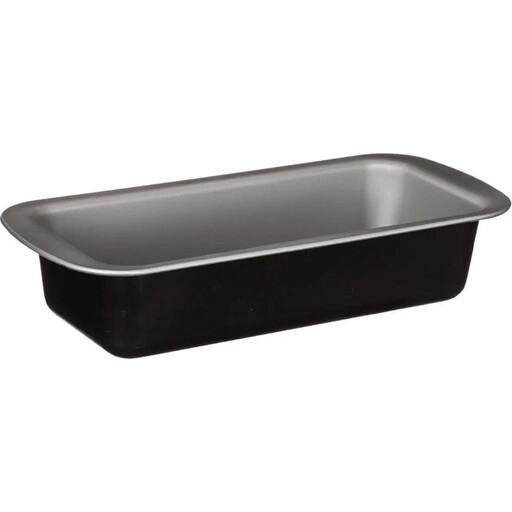
Why this product fits the profile: This compact loaf tin is designed for simple everyday recipes like bread, cake or meatloaf, and according to the product details has a capacity of 1.3 litres.
The details clearly state that the tin is not dishwasher-safe. If you plan to hand wash, you reduce the risk of unnecessary surface damage.
Oven-safe, 1.3 litre capacity, lightweight product at 230 g.
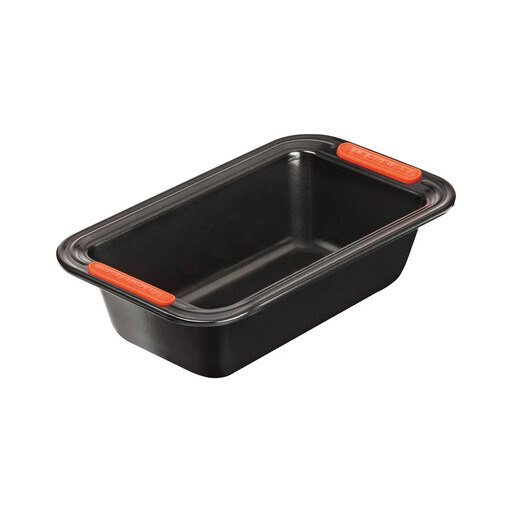
Why this product fits the profile: According to the product description, this carbon steel tin features a PFOA-free non-stick coating and is rated up to 240 °C.
The care instructions rule out metal utensils, scouring pads and direct heat sources. This makes the requirements for the coating transparent.
Carbon steel, silicone inserts on the handles, oven-safe up to 240 °C.

Why this product fits the profile: According to the product details, this 35 cm tin is designed for loaves up to 1,500 g and can also be used for cakes and savoury bakes.
The 1,500 g capacity and maximum temperature of 250 °C are clearly stated. This makes it easier to match the tin with your recipe and oven.
Sourdough-resistant according to the product description, enamelled base, coated steel, 35 cm length.

Why this product fits the profile: The lid is designed for square sandwich bread. According to the description, the tin is also suitable for small loaves and cakes.
The lid addresses the common problem of unevenly shaped toast. Still, you should check before buying whether 450 g matches your own recipe quantity.
Lid included, non-stick coating according to the product description, suitable for toast and cakes.
We've put together a complete, regularly updated list of products that fully meet these strict selection criteria and the safety regulations in force in the EU.
Lightly grease the loaf tin before first use, following the manufacturer's instructions. Even with a non-stick coating, this can help with release. For sourdough, only use models whose product description states they are resistant.
Place the tin on a sturdy baking tray if it has thin walls or no reinforced handles. This makes it easier to put in and take out. Always use oven gloves, as metal and carbon steel can retain a lot of heat.
A tin around 30 cm is often sold for loaves of about 1,000 g. However, this isn't a standard measurement. So check the capacity, internal dimensions and the manufacturer's recommendation for dough quantity.
Yes, as long as the dough quantity and dimensions match. The lid is particularly useful for sandwich bread and evenly shaped slices. For rustic loaves that rise a lot, an open tin may be more suitable.
There's no one-size-fits-all answer to how long it will last. It depends on the material, temperature, frequency of use and how you care for it. Hand washing, soft sponges and suitable kitchen utensils help protect the coating from scratches and peeling.