
Lieferung heute & morgen

Qualitätsgarantie

Willkommens-Angebote freischalten: KOSTENLOSE Lieferung | Bis zu 80 % RABATT | Kostenlose 30-Tage-JoyPlus-Testphase
App herunterladen
A loaf tin for baking might look straightforward at first glance. However, the length, material and coating determine whether bread releases cleanly, cake bakes evenly, and the tin stays practical after many uses. If you only focus on a low price or the label “non-stick”, you can easily overlook important details.
A 30 cm loaf tin can have different internal dimensions, heights and capacities depending on the manufacturer. For a compact sandwich loaf, it also matters whether a lid is included and how much dough actually fits in the tin. So alongside the external length, check:
A model with 1.3 litres is suitable for different dough quantities than a baking tin with 2.4 litres of volume.
A bread tin with non-stick coating can make releasing easier. However, the surface remains sensitive to metal utensils, scouring pads and high temperatures outside the manufacturer’s guidelines. Even coated tins should be cleaned before first use and lightly greased depending on the dough.
Also pay attention to the care instructions. Several metal models in this selection are expressly not dishwasher safe and should be washed by hand with a soft sponge.
A pure silicone loaf tin is easy to store and unmould, but it can give way under heavy dough when you’re carrying it to the oven. An integrated metal frame or a sturdy rim reduces this risk. With silicone, the maximum temperature is also crucial. Ratings such as “up to 220 °C” should be checked against your own baking temperature.
A metal loaf tin generally heats up directly and is suitable for bread, cake and meatloaf. Thin metal tins can warp with frequent use, so information on material thickness or shape stability is relevant.
Coated steel combines a solid construction with easier release. For acidic doughs, such as sourdough, details on acid resistance are useful. A designated sourdough tin should also clearly state the cleaning instructions and maximum temperature.
Silicone is flexible and often easy to clean. A steel-silicone composite can offer extra stability. Separate manufacturer guidelines apply for microwave and freezer use; oven suitability cannot automatically be transferred to other applications.
For cakes and smaller loaves, compact tins are often sufficient. If you want to bake sandwich bread or larger loaves, you should match the volume to your recipe. A tin for about 1 kg of bread is not the same as a tin for 1,500 g of bread.
With a baking tin for bread and cake, the height of the tin is also important: a high rim provides room for rising yeast dough, while a lower tin may be enough for certain sponge cakes or meatloaf.
Check before you buy:
A tin must not be used on hob rings, induction hobs or open flames unless this is expressly stated.
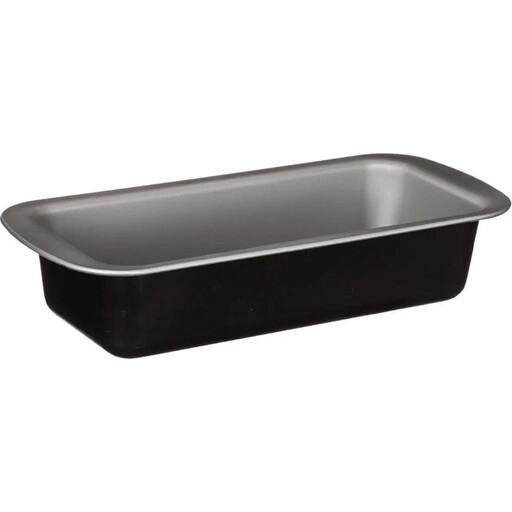
Why this product fits the profile: The compact metal tin with a 1.3-litre capacity is ideal for simple cakes, smaller loaves and getting started with regular baking.
The product details clearly state the dimensions, volume and the fact that it is not dishwasher safe. This makes it easier to assess the space needed before buying.
Metal construction, 25 cm version, oven safe and with a capacity of 1.3 litres.
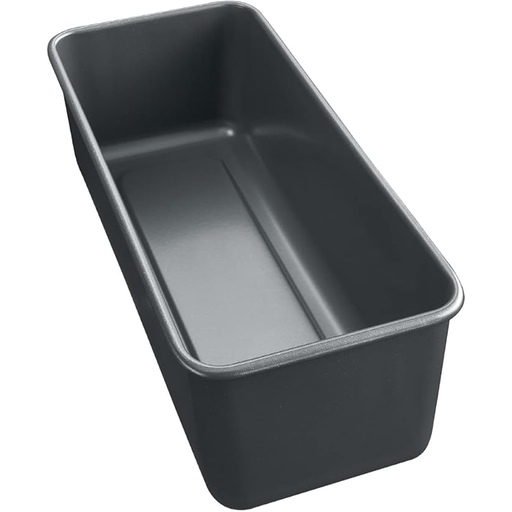
Why this product fits the profile: The 30 cm steel loaf tin has an enamelled base, a coated surface and a stated heat resistance of up to 250 °C.
The acid resistance for sourdough and the hand-washing requirement are specifically stated. Metal utensils should be avoided to protect the coating.
Steel tin with 2.4-litre capacity, enamelled base and temperature rating up to 250 °C.

Why this product fits the profile: The sandwich loaf tin with lid is designed for 450 g loaves and supports an even, square shape for sandwich and toast slices.
The lid is listed as a specific feature. This makes the tin more clearly suited to sandwich bread than an open cake tin.
Non-stick finish, lid and stated suitability for sandwich bread, cake and small loaves.
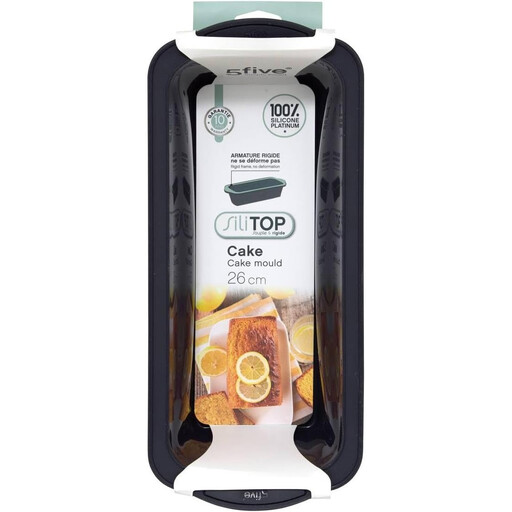
Why this product fits the profile: The combination of steel and silicone offers flexibility with an integrated stabilising frame. It is suitable for bread, cake and other loaf recipes.
The rigid frame counteracts the tendency of a fully flexible silicone tin to give way. The stated oven temperature of up to 220 °C should still be observed.
1.59-litre capacity, dishwasher safe and temperature resistant from -20 °C to 220 °C.
We have put together a complete, regularly updated list of products that fully meet these strict selection criteria and the safety regulations in force in the EU.
That depends on the recipe and the amount of dough. For smaller loaves or cakes, around 1.3 to 1.6 litres may be enough. For loaves of about 1 kg or more, larger models are sensible. What matters is the internal volume and the recommended bread quantity, not just the external length.
Not necessarily. Some silicone models are dishwasher safe according to the product details, while many coated metal tins should be washed by hand. The manufacturer’s instructions take priority. Abrasive cleaners and metal utensils can damage the surface.
For sourdough, we recommend a tin whose product description expressly mentions acid or sourdough resistance. Coated steel with an enamelled base may be designed for this purpose. Also check the maximum temperature, the permitted care and the instructions for releasing the baked goods.