What should you look for when buying?
First, check that the operating system and processor architecture are compatible with your programmes and images. Then match the RAM and SSD to the services you’ll run at the same time, and finally make sure the connections and screen position work with your sit-stand setup.
| What matters when buying |
What to check |
Who is this important to? |
| RAM for services running in parallel |
Check the RAM in the specific configuration and any documented upgrade options. |
If my database, application and containers are all running at once, I want to match the RAM to the whole stack. Around 28% of consumers put RAM for parallel services first. |
| SSD space for data and projects |
Allow separate space for datasets, development files and backups; check the SSD capacity and whether it can be replaced. |
If my local datasets are growing, I want enough room for projects and the backups I need. Around 22% of consumers prioritise SSD space for data, projects and backups. |
| Connections and screen position |
Check that the laptop, monitor and dock have the right connections and meet your charging requirements. |
At a sit-stand desk, I want to connect and position my monitor and input devices so I can adjust them independently. Around 22% of consumers focus primarily on finding the right workstation setup. |
| System and container compatibility |
Check support for your operating system, processor architecture, database software and required images. |
If my development stack is already set, I want to use its programmes and containers without running into architecture mismatches. Around 17% of consumers put software and container compatibility first. |
| Future upgrades and ongoing costs |
Check what’s included and which components can be replaced, as documented; if you use Docker Desktop, check the applicable licence terms. |
If my needs could change over time, I want to know which components I can upgrade and what my chosen setup requires. Around 11% of consumers prioritise future upgrade options and potential ongoing costs. |
Joybuy products to compare
You can compare the following Joybuy products with your requirements for running several local services in parallel and using a fixed monitor setup, based on their listed configurations. Their suitability for you will depend on your programmes, datasets and existing peripherals.
 No image available
Lenovo ThinkBook 16 G9 AHP 21UT
The listed configuration gives you specific details to compare with your needs for running several services and local projects, but it isn’t a performance guarantee.
AMD Ryzen 5 220 at 3.2 GHz, Radeon 740M, 32 GB RAM, 1 TB NVMe SSD, Windows 11 Pro and a 16-inch display.
Joybuy
 No image available
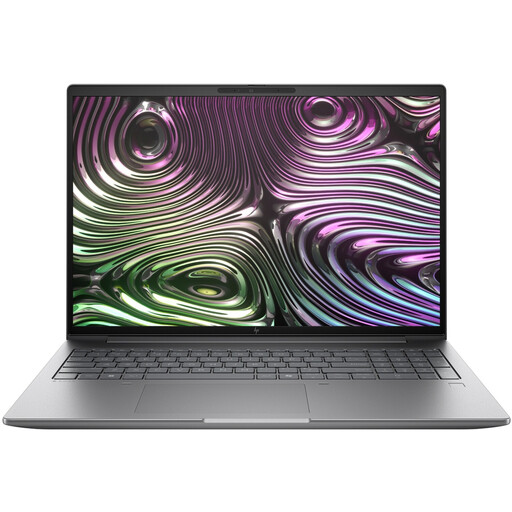
HP ZBook X G1i 16, Core Ultra 7 255H
Compare the listed memory configuration with the requirements of your local databases and development tools.
32 GB RAM and a 1 TB SSD. Before buying, check that the operating system and ports suit your software and monitor setup.
Joybuy
 No image available
Lenovo ThinkBook 16 Gen 9, Core Ultra 5 325
The listed RAM and SSD configuration gives you a basis for comparison when running local services and projects; on its own, it doesn’t indicate performance with any particular database workload.
32 GB DDR5 RAM, 512 GB PCIe SSD and Windows 11 Pro.
Joybuy
 No image available
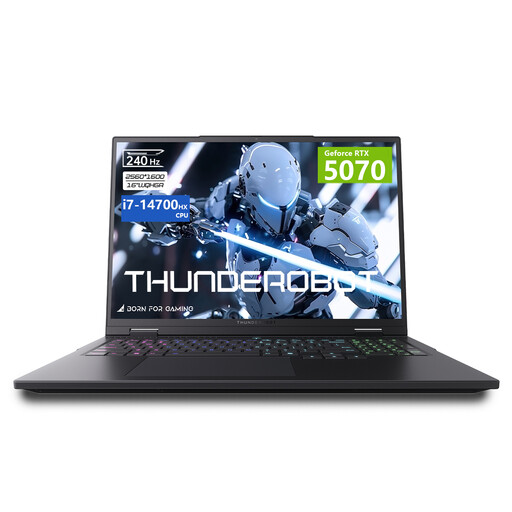
THUNDEROBOT Radiant 16, Core i7-14700HX, RTX 5070
You can compare the listed RAM with the needs of local services running in parallel; the other components don’t guarantee any particular database performance.
32 GB RAM, 16-inch display with 240 Hz and RTX 5070 with 8 GB GDDR7.
Joybuy
 No image available
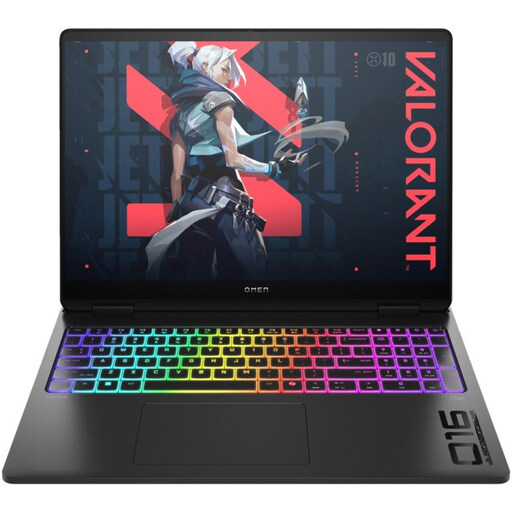
HP OMEN MAX 16-ak0693ng, Ryzen AI 9 HX 375
The listed memory configuration can help you plan for applications running in parallel; suitability also depends on the operating system, images and specific workload.
32 GB RAM, 1 TB SSD, GeForce RTX 5070 Ti with 12 GB, WQXGA display with 240 Hz and Windows 11 Home.
Joybuy
Frequently asked questions
Is the PostgreSQL shared_buffers recommendation a minimum RAM requirement for laptops?
No. The PostgreSQL Global Development Group explicitly applies its 25% guideline to a dedicated database server with at least 1 GB RAM. With a laptop, you also need to account for the operating system, development tools and any containers.
What should I adjust on my laptop at a sit-stand desk?
Check the position of your screen and keyboard both sitting down and standing up. Separate input devices let you position the screen independently of the keyboard; the Chartered Institute of Ergonomics and Human Factors offers guidance on designing sit-stand workstations.
Is it enough to store local data only on my laptop’s SSD?
The PostgreSQL Global Development Group recommends regularly backing up valuable PostgreSQL data. Choose a method that suits your recovery needs, and allow for the required storage separately from your working SSD.
Will x86-64 containers run on a laptop with an Arm processor?
Not necessarily natively. Docker says an image available only for linux/amd64 needs emulation to run on an Arm64 host. Check whether compatible architecture versions are available for your images and tools.
Could Docker Desktop involve extra costs for my use case?
That depends on how you use it and your organisation. Docker offers free use under certain conditions and requires a paid subscription for other professional uses. Check the applicable terms if Docker Desktop is an option for your specific setup.
What statutory rights apply when I buy as a consumer in Germany?
For consumer purchases of goods in the EU, the seller is generally liable under a statutory guarantee for at least two years from the date you receive the goods, as explained on the EU’s Your Europe information site. This is separate from a voluntary warranty; these consumer rules shouldn’t automatically be assumed to apply when buying as a business.


