Start by choosing a desktop that works with the screen reader and software you actually use. For NVDA, a Windows desktop is the right fit, while a Mac mini could suit a workflow built around macOS and VoiceOver. Then compare the exact configuration with your archive files, connections and existing devices. A larger case is worth considering only if you genuinely need the extra expansion options.
Who is this desktop for?
NVDA users working on a portal project
You want to edit historical content in Windows and test the portal itself with a screen reader. Compatibility with your workflow matters more than the case design or brand. NV Access describes NVDA as a screen reader for Windows. Germany’s Federal Accessibility Portal highlights correct reading order and suitable alternative text as important considerations when testing with a screen reader.
Local historians digitising archives
You work with scanned sources and images, and are planning for text recognition, storage and file backups as well as the computer itself. Adobe describes features for text recognition and editing PDF accessibility, while Germany’s Federal Office for Information Security explains data backup options.
VoiceOver users at a dedicated desk
You already work with macOS and want a desktop for portal content and testing, with a specification that suits the devices you already own. Apple describes VoiceOver as the built-in screen reader in macOS.
What matters when buying?
Compact Windows desktop
A good fit if: You use NVDA or Windows Narrator and have limited desk space.
Consider: Mini PCs don’t automatically include a monitor or other devices. Ports and expansion options depend on the exact model.
Expandable Windows desktop
A good fit if: You have a specific plan for extra internal drives or expansion cards, and enough room for a larger case.
Consider: The extra space is useful only if the slots in your chosen configuration meet your needs. It’s no substitute for backing up your data.
Mac mini with VoiceOver
A good fit if: Your software and workflow are built around macOS and VoiceOver.
Consider: NVDA is a Windows screen reader. SSD and memory options vary by Mac mini configuration, so check the ports and monitor against your workspace too.
| Priority |
What to check before buying |
Who it matters to most |
| Screen reader compatibility |
Check the operating system and compatibility with your software. Test a typical portal task using a screen reader and keyboard. |
If I want to work with my usual screen reader and editing software, I’ll check the whole software workflow first. Around 36% of consumers put compatibility first. |
| Working with archives |
Compare your file sizes and the RAM and SSD in the exact model with the requirements of the OCR and editing software you plan to use. |
If I work with lots of historical scans and working files, I want to choose storage and software to suit my file workflow. Around 29% of consumers prioritise working with archives. |
| Devices at your desk |
Check the ports and what’s included against your monitor, keyboard, audio output and, if applicable, Braille display. |
If I want to keep using my existing input and output devices, they need to connect to my dedicated workspace. Around 21% of consumers focus first on compatible peripherals. |
| Backups and expansion |
Check for ports to connect a separate backup drive and, if needed, the internal slots you actually plan to use. |
If I want to keep my collection of sources safe for the long term or upgrade my computer for a specific reason, I’ll plan for each separately. Around 14% of consumers prioritise backups and expansion. |
Common misconceptions
-
A powerful PC automatically means a screen-reader-friendly experience
NVDA and VoiceOver are designed for different operating system workflows. You’ll also need to check the accessibility of your own portal separately.
First, decide which screen reader, operating system and software you need. Then try a typical portal project task using your keyboard and screen reader.
Switching operating systems may also mean changing software or the way you work.
-
A mini PC is already a complete workstation
The documented Lenovo configuration is sold without a monitor or input devices. Check what’s included and the ports on the exact model before comparing it with your current setup.
Check the exact order configuration against your monitor, input devices and required connections.
Depending on what you already own, you may also need a monitor, input devices or suitable connections.
-
A larger internal SSD removes the need for backups
An internal SSD gives you storage space, but on its own it won’t protect your files from being lost. Germany’s Federal Office for Information Security describes backups as a way to protect against issues including hardware failures and accidental deletion.
Plan for a separate backup drive and a routine for regularly backing up your sources and portal content.
Separate backups require a suitable storage device and regular time to manage them.
-
The model range tells you everything about the specification
The operating system, memory, SSD and ports can vary by configuration. For example, the German ASUS ExpertCenter PN64 specifications page we checked lists no pre-installed operating system. That doesn’t mean the same applies to every ASUS mini PC.
Before buying, check the full model number, operating system, RAM, SSD and ports for the configuration you’ve chosen.
If an operating system is missing or the specification doesn’t suit your workflow, you may need to spend extra time setting it up.
Brands to consider
Lenovo
ThinkCentre neo 50q Gen 5: a compact Windows workstation for use with your existing monitor and input devices.
- Lenovo lists Windows 11 Pro, 16 GB RAM and a 512 GB SSD for the 13B9009EEZ configuration.
- This configuration is sold without a monitor or input devices. These specifications apply to this configuration and not necessarily to other models.
HP
Pro Mini 400 G9 for a compact Windows workstation; Pro SFF 400 G9 as a larger option if you specifically need internal slots.
- HP lists Windows 11 Pro, 16 GB RAM and a 512 GB SSD for CP9G3EA#ABD.
- The PCIe slots listed by HP are for an SFF product page and don’t necessarily apply to the Mini.
Dell
Dell Pro Micro QCM1250: a compact, configurable Windows desktop.
- For the documented German configuration, Dell lists Windows 11 Pro, 16 GB DDR5 and a 512 GB SSD.
- Dell notes that images and selected configurations may differ from the device you actually order. Check your order configuration carefully.
Apple
Mac mini for portal projects using software and workflows designed for macOS and VoiceOver.
- Apple describes VoiceOver as the built-in screen reader in macOS. For the 2024 Mac mini with M4, Apple lists 16 GB of unified memory and a 256 GB SSD in the base configuration.
- These specifications don’t demonstrate NVDA compatibility or performance for a particular portal workflow. The Mac mini is available in other configurations.
ASUS
ExpertCenter PN64: a mini PC option for buyers who can take care of the software setup themselves.
- ASUS’s German specifications page lists the ExpertCenter PN64 as a model without a pre-installed operating system.
- Before buying, check the operating system, what’s included and how much setup will be needed to use your chosen screen reader on the exact configuration.
Desktop picks at Joybuy
This selection covers Windows desktops for a dedicated workspace, from mini PCs to towers. Compare each configuration with your software, files and existing devices.
 No image available
SOYO Y5Pro Mini PC, Intel Core i5-8250U/8350U
A compact Windows option if you’re looking for a mini PC for a dedicated workspace.
Windows 11; 8 GB DDR4; 256 GB SATA SSD; Bluetooth 5.2; Wi-Fi 5.
Joybuy
 No image available
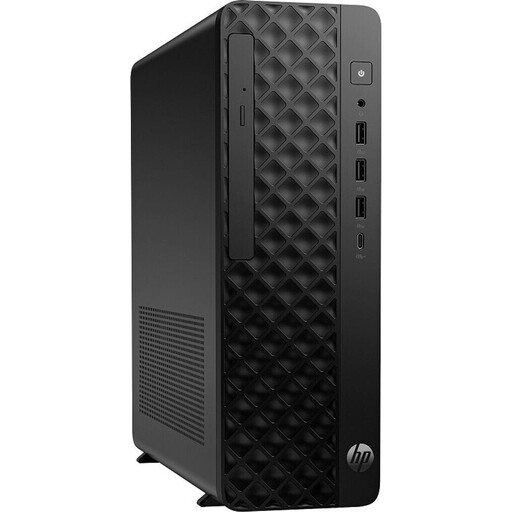
HP Z2 SFF G1i A40M2ET#ABD, Core Ultra 7 265K
A Windows desktop in an SFF case, if you’re planning a dedicated workspace around this exact specification.
32 GB DDR5 at 5600 MHz; 1 TB M.2 SSD; RTX A400 with 4 GB; Windows 11 Pro.
Joybuy
 No image available
HP Z1 Tower G1i A40T1ET#ABD, Core Ultra 9 285
A Windows tower for a dedicated workspace, if you want to compare the listed specification with your software needs.
64 GB DDR5 at 5600 MHz; 1 TB M.2 SSD; Intel graphics; Windows 11 Pro.
Joybuy
 No image available
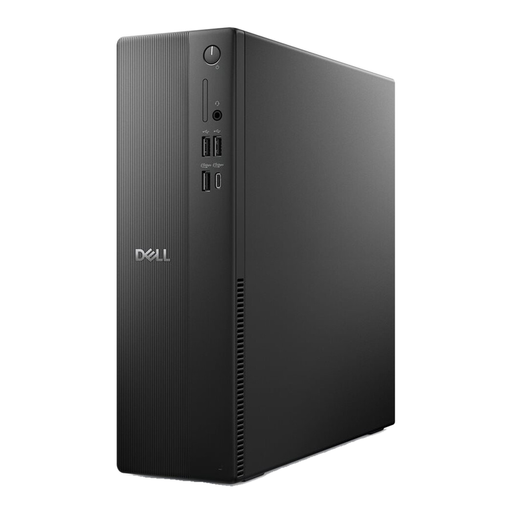
Dell Pro Slim Essential Desktop QVS1260, Core i5-14400
A slim desktop for a dedicated Windows workspace. Check the exact specification against your software and storage needs.
16 GB RAM; 512 GB SSD; Windows 11 Pro.
Joybuy
 No image available
Lenovo ThinkStation P2 Tower Gen2, Intel Core Ultra 7 265
A tower for a dedicated workspace, if you want to check this specific Windows configuration against your needs.
32 GB DDR5; 512 GB NVMe SSD; NVIDIA RTX A400 with 4 GB; Windows 11 Pro.
Joybuy
Frequently asked questions
For NVDA, should I choose a Mac mini or a Windows desktop?
NVDA requires a Windows workflow: NV Access describes NVDA as a screen reader for Windows. If you use macOS instead, VoiceOver is available as its built-in screen reader. Also check that your editing software works with the system you choose.
Is a scanned PDF enough to make sources readable with a screen reader?
Not necessarily. A scan may initially contain only text as an image. Adobe describes features for text recognition and editing PDF accessibility. Check the recognised text and reading order before publishing files.
How do I test the portal once it’s set up?
Test key tasks with a keyboard and screen reader, including navigation, headings and alternative text. Automated testing tools can help, but they don’t identify every barrier. The W3C Web Accessibility Initiative notes that some checks need to be carried out manually.
What should I allow for when planning what’s included and data backups?
Check what’s included with the exact configuration against your monitor and input devices, and plan a separate backup for your sources and portal content. If you use software such as Acrobat, also check that the version you’ve chosen includes the features you need.
Does every German local history portal have to be accessible under the BFSG?
There’s no general answer for every individual portal. The BFSG covers certain products and services. For services provided through electronic commerce, Germany’s Federal Accessibility Agency highlights, in particular, whether they relate to entering into a consumer contract. Whether this applies to your portal, or other regulations are relevant, depends on factors including who operates it and what it does. Whatever the legal requirements, testing with a screen reader makes sense for the project described here.


