Reading local histories on the go
If you mainly read continuous text outdoors, like to adjust the font size and want to carry as little as possible, a compact e-reader could suit you.


If you mainly read continuous text and want a handy device, a compact e-reader could be a good fit. For complete archive scans, maps and photos, a larger colour tablet is usually more practical. Try a typical file of your own where you plan to read it: a matte finish, anti-reflective coating or manufacturer-stated peak brightness alone doesn’t prove that every page will be easy to read in direct sunlight.
If you mainly read continuous text outdoors, like to adjust the font size and want to carry as little as possible, a compact e-reader could suit you.
With historical documents in a fixed layout, small labels and full pages matter. Check whether you can read them on your chosen screen without having to move the page around frequently.
If you want to view maps, photos and text side by side while you’re out and about, colour reproduction, zooming and locally stored files are important factors to consider.
A good fit if: You mainly read text, want to adjust the font size and are looking for a handy device.
Trade-off: Coloured maps and scans with small labels can be harder to assess on a small black-and-white screen. Also check that your files and sources are compatible with the device.
A good fit if: You mainly read on the go, but occasionally want to view a colour illustration or map.
Trade-off: Colour doesn’t automatically give you the space of a larger screen. Try viewing a typical map with a small legend.
A good fit if: Archive PDFs, photos, maps and details you can zoom in on are your main priorities.
Trade-off: A larger screen means a larger device. Manufacturer claims about anti-glare features and brightness are no substitute for testing your documents where you plan to read them.
When choosing a device for reading about local history in bright daylight, the main thing is to decide what matters most to you. The percentages show the share of consumers who ranked each concern as their top buying priority.
| Buying priority | What to check before buying | Who it matters most to |
|---|---|---|
| Reading in daylight | If possible, compare the same typical page outdoors. Don’t treat claims about a coating or peak brightness as a measure of how readable your file will be. | When I read outdoors, I want to assess reflections and text on a page of my own. Around 29% of consumers put readability where they read at the top of their list. |
| Scans, maps and photos | Open a typical scan and map; check small labels, zooming and how easily you can move around the page. | If you need to check small place names or image details, your documents need to display well on the device. Around 23% of consumers say the readability of scans, maps and photos is their main priority. |
| Reading your own files offline | Check the format and any copy protection, then try opening a sample file of your own without an internet connection. | If I want to take my own local histories with me, I need to know whether they can be stored on the device and opened offline. Around 18% of consumers prioritise file transfer and offline access. |
| Portability | Consider the device’s size and weight alongside the size of the documents you usually read. | If you’re holding the device for a long time on a local history walk, a comfortable size may matter more than seeing a full scan at once. Around 18% of consumers put light weight and portability first. |
| Weather protection and accessories | Check the protection conditions for the specific model and compare what’s included with the accessories you need. | If I read in changeable weather, I want to know what protection the device offers and what extra accessories I’ll need. Around 12% of consumers first weigh up protection and possible additional purchases. |
The tolino vision color specifications list a 7-inch screen and 150 ppi for colour content. Even with colour, a map may not give you enough room to read small place names.
Before deciding, try a typical historical map with a legend and small labels.
Samsung lists peak brightness of up to 1,600 nits for the Galaxy Tab S11 Ultra. This manufacturer figure doesn’t show how readable your file will be in your lighting conditions.
Consider reflections, how the page displays and how easy the device is to handle. If possible, test it where you’ll actually read.
The direct transfer method described by Kobo applies to unprotected PDF and EPUB files. Protected or borrowed content may need a different method.
Check the format and protection on your specific source, and whether you can open it offline.
The Tab P12 with Matte Display is a colour tablet with a matte finish, for readers who want more screen space for pages and images.
The iPad Air M4 is a colour tablet for maps, images and documents you can zoom in on. It’s available in 11- and 13-inch versions.
The Galaxy Tab S11 Ultra is a large-format colour tablet for viewing extensive archive pages.
The vision color is a compact colour e-reader for people who mainly read text, with the occasional colour illustration.
The Libra Colour is a colour e-reader with page-turn buttons and stylus support.
These tablets could suit digitised local history texts, documents and images. Check how readable your files are in bright daylight before settling on a particular display.
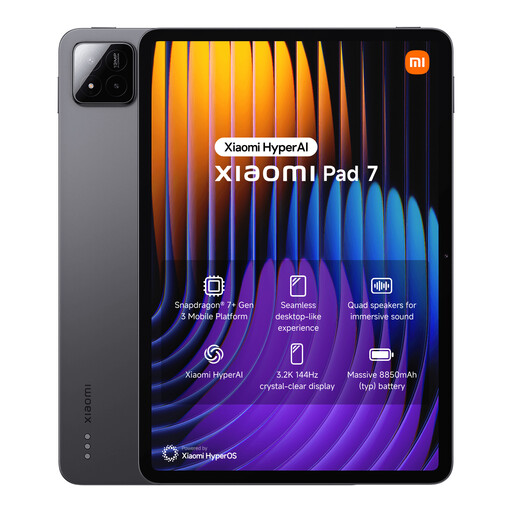 No image available
This tablet could be a good option for digital documents and images if you check how readable your files are where you plan to use it.
The product title lists a 3.2K display with 144 Hz, a Snapdragon 7+ Gen 3 and a keyboard.
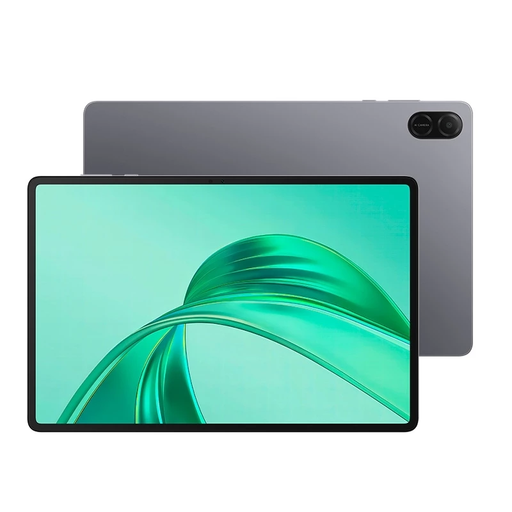 No image available
The 11-inch format could work well for viewing digital documents on the go. Check small labels on a typical file of your own.
The product title lists a 90 Hz FullView display and an 8,300 mAh battery.
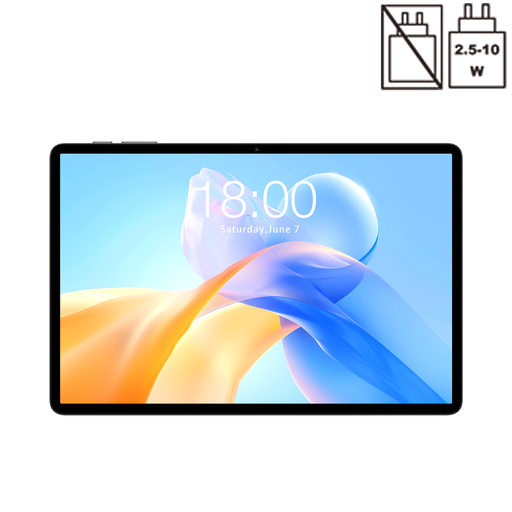 No image available
The 11-inch format could be suitable for digital documents on the go. The product title lists 90 Hz IPS, while the product description advises against prolonged exposure to sunlight.
The title lists Android 16 and 16 GB RAM, comprising 3 GB plus 13 GB of virtual memory.
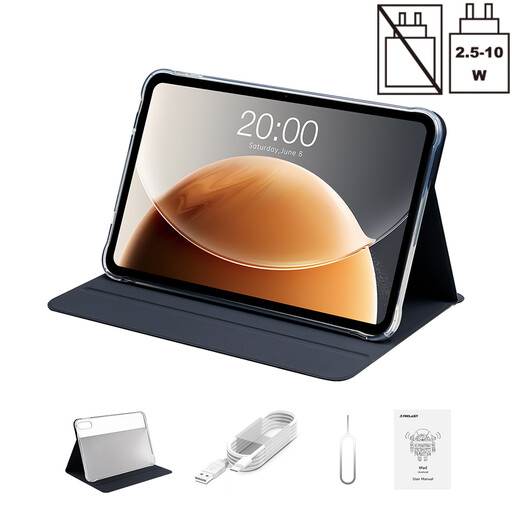 No image available
The large display could be useful for viewing extensive document pages; the product description advises against prolonged exposure to sunlight.
The title lists a 120 Hz display, dual-SIM 4G and 26 GB RAM, comprising 6 GB plus 20 GB of virtual memory.
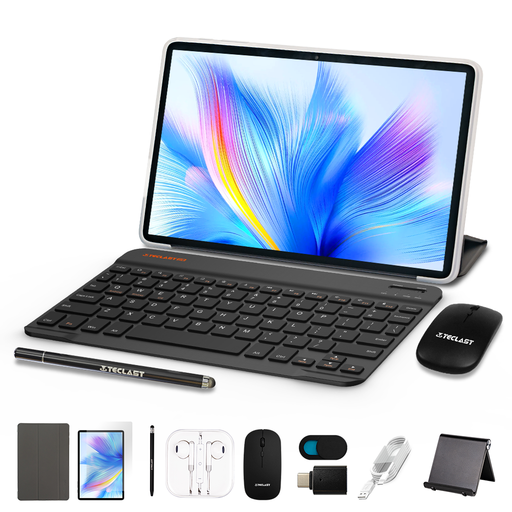 No image available
The 11-inch format could be suitable for viewing documents on the go. The product description advises against prolonged exposure to sunlight.
The title lists a 90 Hz IPS display and 16 GB RAM, comprising 3 GB plus 13 GB of virtual memory.
Save a sample file you’re entitled to use on the device, then open it without an internet connection before you set off. tolino describes transferring supported formats via USB-C; Rakuten Kobo specifically describes this direct method for unprotected PDF and EPUB files. Check separately how to transfer protected or borrowed titles.
Follow the instructions for the specific model. Rakuten Kobo advises, among other things, drying the USB port before charging, avoiding charging in damp conditions and keeping the device away from salt water. The tolino specifications describe the stated IPX8 rating as applying to fresh water.
No, it depends on the specific version: tolino says the stylus for the vision color is sold separately, while the Tab P12 bundle documented by Lenovo includes a stylus and charger. Check what’s included with the offer you’ve chosen before buying.
For a consumer contract concluded at a distance, you generally have the right to withdraw from the contract. The statutory period is usually 14 days, although exceptions and the start of the period should be taken into account. Sections 312g and 355 of the German Civil Code (BGB), as listed by the Federal Ministry of Justice and the Federal Office of Justice, set out the relevant rules and exceptions. For claims relating to defects, section 438 BGB generally provides for a two-year limitation period from delivery. This is separate from any voluntary manufacturer’s guarantee.
No. Saving and reading a file doesn’t automatically give you permission to republish it. Check the rights and terms of use for the specific image. Under the general rule in section 64 of the German Copyright Act (UrhG), copyright expires 70 years after the author’s death. That alone doesn’t establish the status of an unspecified archive file.