
Lieferung heute & morgen

Qualitätsgarantie

Willkommens-Angebote freischalten: KOSTENLOSE Lieferung | Bis zu 80 % RABATT | Kostenlose 30-Tage-JoyPlus-Testphase
App herunterladen
A good food storage container is more than just a box. It's a system designed to keep food fresher for longer, bring order to your kitchen, and simplify your daily routine. However, when it comes to choosing the right LocknLock food storage container, many people face a challenge. Not every model advertised as practical lives up to expectations in daily use. Often, weaknesses only become apparent after a few weeks of use.
Before you make a decision, it's helpful to know the most common pitfalls that can lead to a poor choice:
This guide will help you avoid these problems and make an informed choice based on objective criteria.
To make the right choice, you should carefully examine three core features. These define the quality and real-world usability of a LocknLock food storage container and ensure it serves its purpose for a long time.
The heart of every LocknLock container is its patented four-sided locking system. But what makes it so functional?
LocknLock uses polypropylene (PP) for most of its classic containers. This material offers several advantages for food storage:
A good food storage container must integrate seamlessly into the daily kitchen routine.
Not everyone needs the same type of food storage container. Here are some recommendations tailored to specific user profiles.
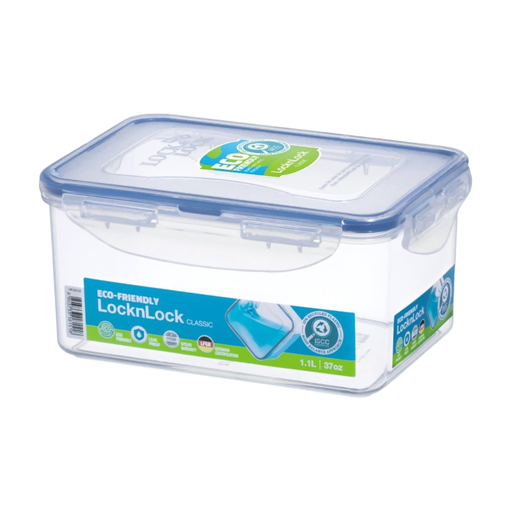
Why This Fits Their Persona: Ideal for professionals and students who need to transport pre-made meals securely. The rectangular shape fits well in bags, and the 1.1-litre volume is sufficient for a full meal.
The four-sided locking system with a silicone seal ensures that even liquid foods like curries or soups can be transported without any leaks—a common failure point in lower-quality containers.
BPA-free polypropylene that is suitable for the microwave (without lid), freezer, and dishwasher. A true all-rounder for the entire meal-prep cycle.
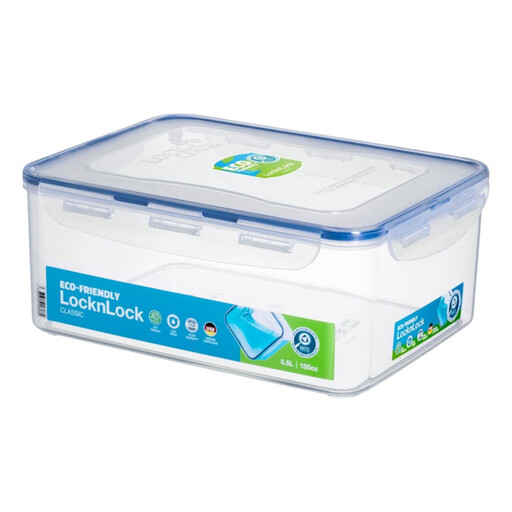
Why This Fits Their Persona: Perfect for families or home cooks who store large quantities of fruits, vegetables, or dry goods. The large 5.5-litre volume and draining tray are ideal for keeping food fresh.
The integrated draining tray prevents delicate foods like lettuce or berries from sitting in condensation. This counteracts rapid spoilage, a common problem with simple, large storage boxes.
Large capacity and a thoughtful extra (draining tray). Despite its size, the container is stackable and makes efficient use of space in the refrigerator or pantry.
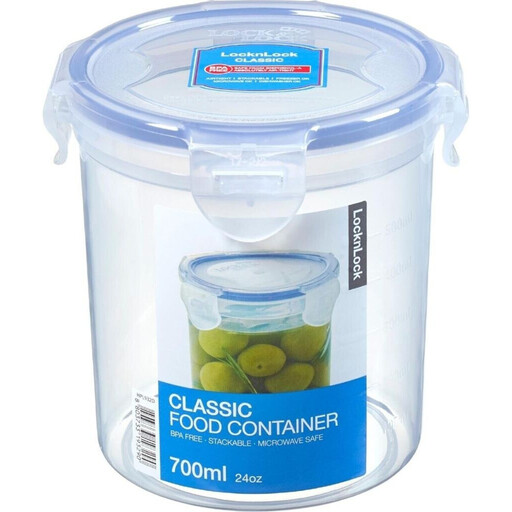
Why This Fits Their Persona: A versatile container for dinner leftovers, snacks, or small portions. The round shape is practical for soups and stews and is easy to clean.
Unlike many containers with awkward corners where food residue gets stuck, this round container is very easy to wash. The material is also odour-resistant and does not stain easily.
The combination of the proven, leak-proof seal and a practical, easy-to-clean shape makes it a reliable companion for daily use.
We have compiled a complete, up-to-date list of products that fully meet these strict selection criteria and UK safety regulations.
Yes, most LocknLock containers made of polypropylene are microwave-safe. However, it is crucial to completely remove the lid or at least open all four locks before heating. This prevents pressure from building up inside. According to the manufacturer, the containers should generally not be heated above 120°C. Avoid heating foods high in fat, oil, or sugar, as they can reach very high temperatures and damage the material.
The silicone seal is designed for durability. With proper care, it can maintain its elasticity and sealing power for many years. To maximise its lifespan, the containers should be cleaned in the top rack of the dishwasher. Avoid harsh detergents and high temperatures, as these can degrade the material over time. The seal can be removed for thorough cleaning and then reinserted.
Most LocknLock product lines are designed to be stackable to save space. Rectangular and square models are usually the most efficient for stacking. Within a single series, the containers often fit perfectly on top of one another. However, it is advisable to check the product description, as round or specially shaped containers may not offer the same stacking stability as the classic, modular designs.