
Lieferung heute & morgen

Qualitätsgarantie

Willkommens-Angebote freischalten: KOSTENLOSE Lieferung | Bis zu 80 % RABATT | Kostenlose 30-Tage-JoyPlus-Testphase
App herunterladen
LocknLock food storage containers are a practical solution for leftovers, snacks, groceries and prepared meals in many households. The range includes everything from compact plastic containers to heat-resistant glass food storage containers. However, capacity is not the only factor that matters. The closure, material, dimensions and approved uses determine whether a container is genuinely suitable for your fridge, freezer, microwave or dishwasher.
An airtight or leak-proof food storage container can reliably hold liquids. However, microwaves often come with different requirements: with several LocknLock models, the lid must be removed completely or opened. Otherwise, steam can create pressure inside the container.
The instructions for the specific model should also be followed when storing containers in the freezer. Frozen contents can stick to the lid, so the closure should not be forced open.
“Microwave-safe” does not automatically mean “oven-safe”. According to the product information, plastic containers such as those in the LocknLock Classic series are not designed for use in the oven, on the hob or with direct heat. Heat-resistant glass models, on the other hand, may be used in the oven without the lid, depending on the specific design.
For example, the LocknLock Top Glass Series is designed to allow the glass container to be used without the lid at temperatures of up to 400 °C. The lid must not be placed in the oven or microwave. Protection against thermal shock is equally important: a very hot glass container should not be placed directly on a cold surface or in cold water.
Buying several food storage boxes may initially seem economical. However, in small kitchens or fridges, different shapes and lids can quickly take up valuable storage space. Stackability and the ability to nest are therefore practical criteria to consider. Rectangular containers can often be arranged side by side more efficiently than round models. Round food storage containers, however, may be a better fit for certain foods or bags.
BPA-free polypropylene (PP) food storage containers are lightweight and practical for everyday transport. Many LocknLock models are made from BPA-free plastic and are designed for use in the fridge, freezer, microwave without the lid and dishwasher. Even so, you should check the specific model description before buying.
Glass food storage containers are heavier, but can often be used directly in the oven once the lid has been removed. Borosilicate glass can be used within the stated temperature ranges, but it remains vulnerable to impact and thermal shock. Cracks or chips are clear reasons not to use the container.
Stainless steel is suitable for robust food storage, but is generally not microwave-safe. With containers that have plastic lids, you must also distinguish between a dishwasher-safe container and a dishwasher-safe lid.
For liquid foods, soups or dressings, multi-sided closures with a silicone seal are particularly important. Models with a four-sided safety closure can press the lid down evenly. The seal should be removable and easy to clean thoroughly, as food residue can collect underneath it.
A screw-top closure can also create an airtight, leak-proof seal. The key is to ensure that the lid is fully engaged and that the seal remains clean and undamaged.
These typical uses can help you choose the right size:
You should also check the external dimensions. A container with a capacity of 2 litres will not automatically fit in every fridge compartment.
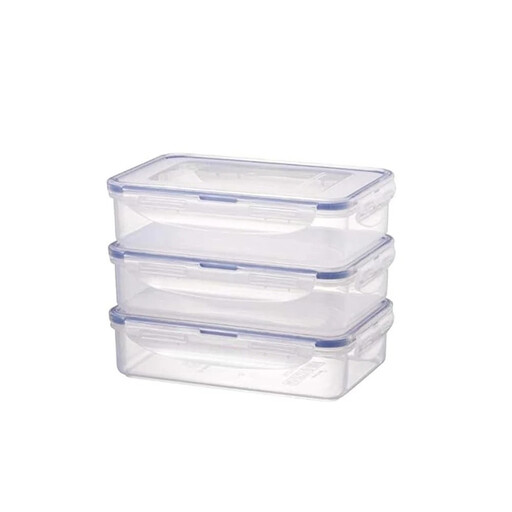
Why this product is a good match: Three containers of the same size make it easy to build a basic collection for leftovers, snacks and smaller meal-prep portions.
The uniform dimensions reduce the risk of ending up with lots of different lids and shapes. The product description specifies stackable containers and airtight lids.
Set of 3 containers, each with an 800 ml capacity, transparent design and space-saving stackability.
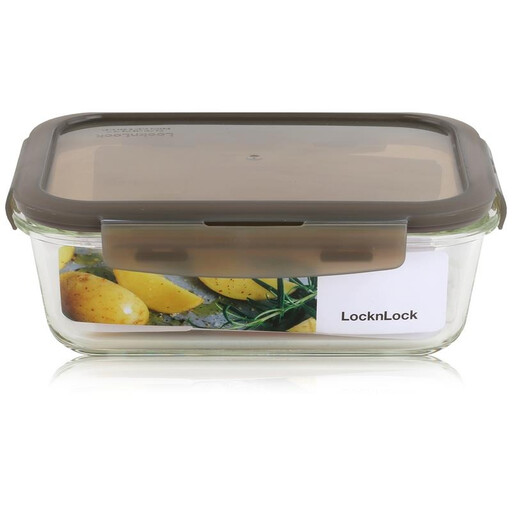
Why this product is a good match: The glass construction is ideal for anyone looking for a transparent container for meal prep and leftovers, with the option to reheat food without transferring it to another dish.
The information clearly distinguishes between the glass container and the lid: oven and microwave use is without the lid, and protection against thermal shock is also required.
Borosilicate glass, airtight and watertight closure, freezer-safe to -20 °C and dishwasher-safe.
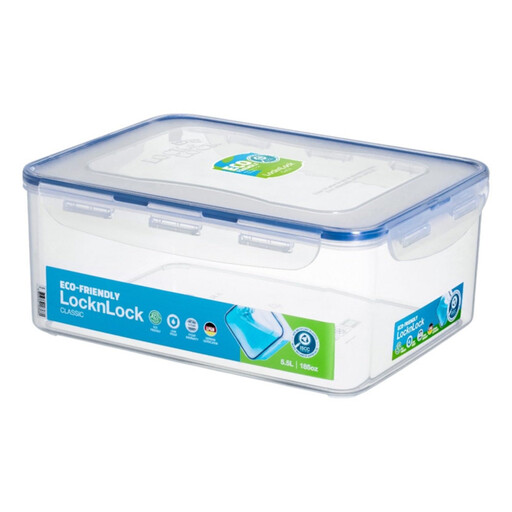
Why this product is a good match: The large capacity is designed for families, larger quantities of fruit and vegetables, or preparing several meals in advance.
The integrated draining rack keeps food separate from liquid. This makes the container suitable for more than simply storing dry ingredients.
5.5-litre capacity, BPA-free plastic, leak-proof closure and removable draining rack.
We have compiled a complete, regularly updated list of products that fully meet these strict selection criteria and the safety regulations applicable in the EU.
To keep your LocknLock food storage containers usable for as long as possible, you should follow a few simple guidelines:
Many models are suitable for use in the microwave, but generally only without the lid or with the lid open. The exact temperature limit and usage instructions are provided in the product description. Containers with plastic lids should generally not be heated while closed.
For individual portions, sizes between 630 and 1,050 ml are practical. Families or anyone preparing several meals in advance can choose containers with capacities of 1.65 to 2 litres. Look for stackable shapes and a leak-proof closure if you plan to transport your meal-prep containers.
Their lifespan depends on how they are used, cleaned and on the condition of the seal. Frequent opening, high temperatures, deep scratches and harsh cleaning products can put strain on the material and closure. It is therefore not possible to give a general fixed lifespan. The container should be replaced as soon as you notice cracks, deformation or a seal that no longer closes reliably.