
Lieferung heute & morgen

Qualitätsgarantie

Willkommens-Angebote freischalten: KOSTENLOSE Lieferung | Bis zu 80 % RABATT | Kostenlose 30-Tage-JoyPlus-Testphase
App herunterladen
Finding a LocknLock lunchbox that is leakproof might sound straightforward at first. In practice, though, lunchboxes differ significantly when it comes to their closure, internal compartments, cleaning and suitable uses. For professionals, school pupils, students and commuters, it is especially important that salad, bread, snacks or pre-prepared meals stay safely inside your rucksack.
A box may be advertised as “leakproof”, but it will only seal reliably when the lid is properly closed. So look for specific details about the closure system. LocknLock models use four-sided clip closures and a silicone seal depending on the product. Before transporting, make sure all the clips are fully clicked into place.
An integrated compartment keeps dry ingredients apart, but it doesn’t automatically stop dressing from seeping into the main section. For salads, a salad container with a dressing pot or a separate sauce compartment is more practical. That way, croutons, nuts and dressing stay separate until you’re ready to eat.
“Microwave-safe” on many plastic boxes means only the container without the lid can be heated. The lid can warp from pressure or heat. Even with a dishwasher-safe storage container, the manufacturer’s instructions may specify where to place it in the dishwasher, such as using the top basket.
For a leakproof lunchbox, several points are crucial:
Damaged seals, cracks or warping can affect the leakproof performance. So check your box regularly and replace it if you notice any visible damage.
For a sandwich or smaller snacks, around 950 ml to 1.2 l is often enough. Salads with vegetables, sides and dressing need more space. Models with 1.5 l or 1.6 l are better suited to large portions, meal prep or a long working day.
The shape should fit your rucksack and the shelf in your fridge. Square boxes often use the available space differently from longer lunchboxes. Before you buy, check the stated external dimensions, not just the volume.
The LocknLock models featured here are made from BPA-free plastic, mostly polypropylene, according to the product details. “BPA-free” describes the material property and is not a general quality promise.
Also look out for:
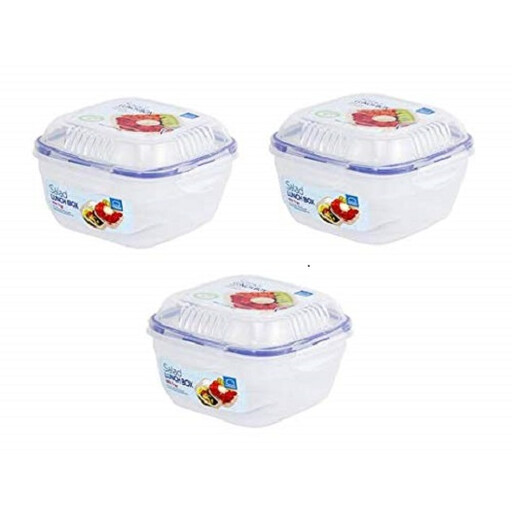
Why this product suits the profile: Three containers, each with 950 ml, are ideal for pre-prepared meals, leftovers and smaller salads. The set is practical when you need multiple portions.
According to the product details, the lid is designed to be airtight and leakproof. A topping insert and a dressing pot keep delicate ingredients separate.
3 x 950 ml, BPA-free plastic, stackable and dishwasher-safe. Not intended for microwave use.
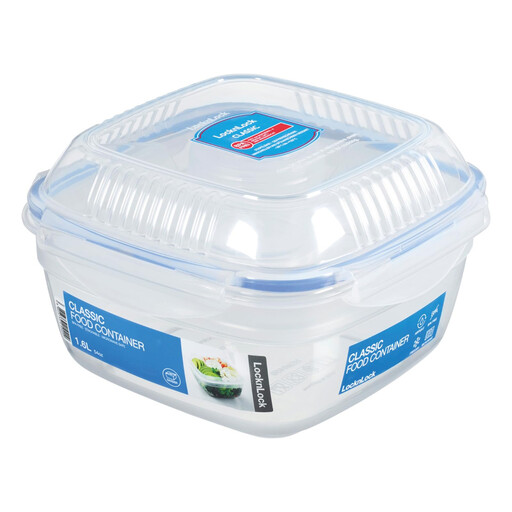
Why this product suits the profile: The large 1.6-litre capacity offers room for salad, sides and toppings. The separate sauce cup is handy for commuters and office workers.
The four-sided closure and silicone seal are specified for an airtight, leakproof seal. The topping tray and sauce cup reduce mixing.
1.6 l capacity, BPA-free plastic, topping insert and separate sauce compartment; microwave-safe only without the lid.
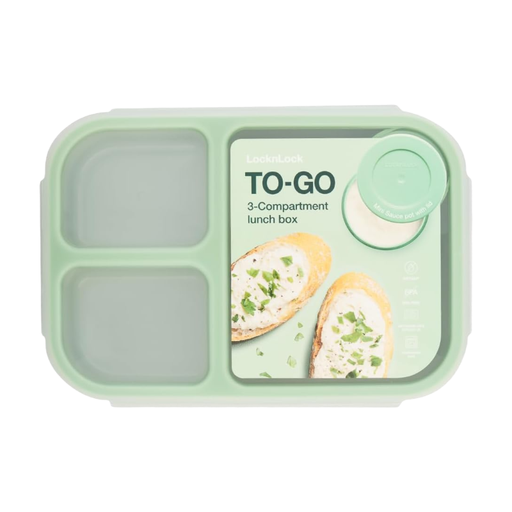
Why this product suits the profile: Three internal sections make it easier to portion out a main dish, side and salad. This model is suitable for meal prep, workdays and picnics.
The separate compartments and the included sauce cup prevent liquids and different foods from running directly into each other.
1,500 ml total volume, three compartments, sauce cup, and suitability for the freezer and dishwasher according to the product details.
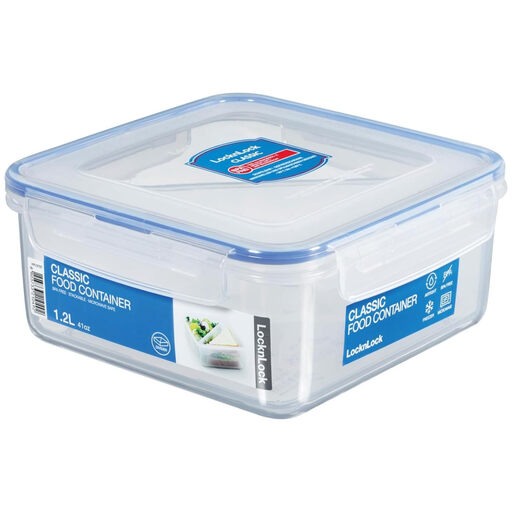
Why this product suits the profile: The integrated divider keeps sandwich ingredients or snacks separate. The square shape with 1.2 l volume suits classic break-time portions.
The integrated compartment reduces direct contact between moist and dry ingredients. According to the product description, the lid is designed to be airtight and leakproof.
1.2 l capacity, BPA-free plastic, divider, dishwasher-safe and microwave-safe without the lid.
We have put together a full, regularly updated list of products that fully meet these strict selection criteria and the safety regulations in force in the EU.
The models mentioned are equipped with airtight or leakproof closures according to the respective product details. This function relies on the seal being clean and correctly positioned, the lid sitting properly and all clips being closed. For liquid foods, it is also advisable to transport the box upright.
For sandwiches, fruit and snacks, around 950 ml to 1.2 l is often sufficient. If you are transporting a substantial salad or a full meal, you can go for 1.5 l to 1.6 l. The external dimensions and the available space in your bag or rucksack are also important.
That depends on the model. For the microwave-safe boxes mentioned here, the product description states: remove the lid completely and do not use the container in the oven or on the hob. Always check the details of the specific product before heating.