
Lieferung heute & morgen

Qualitätsgarantie

Willkommens-Angebote freischalten: KOSTENLOSE Lieferung | Bis zu 80 % RABATT | Kostenlose 30-Tage-JoyPlus-Testphase
App herunterladen
A long-lasting liquid foundation should stay looking good throughout the day, without becoming patchy or noticeably shiny after just a few hours. It also needs to suit your skin type, the finish you want and your skin tone. But focusing only on claims such as “24-hour wear” or “full coverage” doesn’t guarantee you’ll find the right foundation.
Claims such as “24 hours” or “36 hours” describe the wear time stated by the manufacturer under certain conditions. Skincare, climate, sweat, friction, face masks and the primer you use can all affect the result. A long-lasting foundation may therefore look different on oily skin than it does on dry or sensitive skin.
A foundation with SPF can provide an additional contribution to your daily UV protection. However, SPF 10 or SPF 15 shouldn’t be relied on as your only sun protection during prolonged or intense sun exposure. You’ll need a suitable sunscreen for these situations. Foundation is also usually applied in smaller amounts than those used to determine the sun protection factor stated on the packaging.
The skin on your hand is often different from that on your face and neck. If possible, test a shade along your jawline and check it in natural light. The colour may also look different once the foundation has dried down. Undertones are especially important with lighter shades such as NC15 foundation shade, NC25, NW18, NW25, 1N0 Porcelain or 1N2 Ecru.
A matte foundation can work well for oily or combination skin if controlling shine is a priority. Formulas containing silica or other oil-absorbing ingredients are often marketed for this purpose. Even so, you shouldn’t choose a foundation for oily skin based solely on the word “matte”: products that are too mattifying can make dry patches more noticeable.
A natural or slightly radiant finish may be a better choice if your skin feels tight or tends to have dry areas. Estée Lauder Futurist Hydra Rescue, for example, is described as having a more natural, hydrating finish, while MAC Studio Fix Fluid and Estée Lauder Double Wear are more focused on a matte look.
Buildable coverage means you can layer the product to increase coverage gradually. This is practical for everyday wear, as not every area of your face needs the same level of coverage. Apply it evenly in thin layers, and let the first layer set briefly before adding more foundation.
A full-coverage foundation can help to disguise redness and unevenness. However, more coverage doesn’t automatically mean a more natural-looking result. Brushes, sponges and fingers all distribute product differently; primer and skincare can also affect how long it lasts and how it looks on the skin.
MAC shades are labelled using codes such as NC and NW. The way a shade looks will depend on your skin tone and individual undertone. Product descriptions, for example, classify NC15 as light with a golden undertone, NC25 as light-medium with a golden undertone, and NW18 as light-medium with a rosy undertone. Estée Lauder describes 1N0 Porcelain as a very light, neutral shade, while 1N2 Ecru is described as light with a neutral-rosy undertone.
These descriptions are a guide, not a guarantee of a perfect match. If you’re unsure, comparison photos, the returns policy and testing the shade along your jawline can all help you decide.
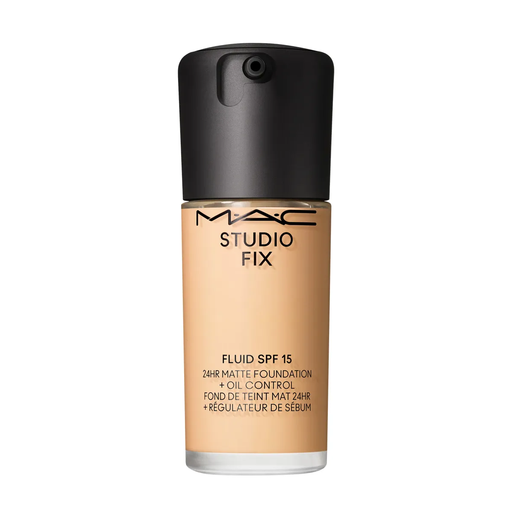
Why this product suits this profile: Its light shade with a golden undertone, medium-to-full buildable coverage and natural matte finish make it a versatile choice for beginners looking for a foundation for the office, everyday wear or special occasions.
You can build up the coverage gradually, so there’s no need to apply a very full-coverage layer all over your face straight away.
According to the product description: SPF15, a matte finish, shine control and up to 24 hours of wear.
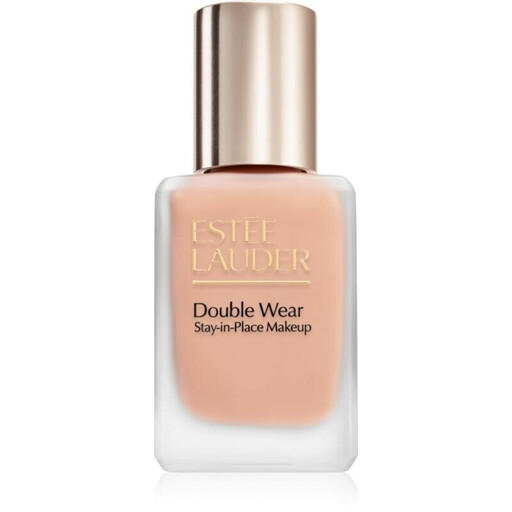
Why this product suits this profile: Its very light, neutral shade and matte, buildable texture will appeal to anyone looking for an even finish during long working days, at events or in photos.
The product description specifies an oil-free formula that resists sweat, humidity, heat and transfer. These are useful, clearly stated criteria when choosing a foundation for long days.
According to Estée Lauder: up to 36 hours of colour fidelity and oil control, SPF10, and medium-to-full buildable coverage.
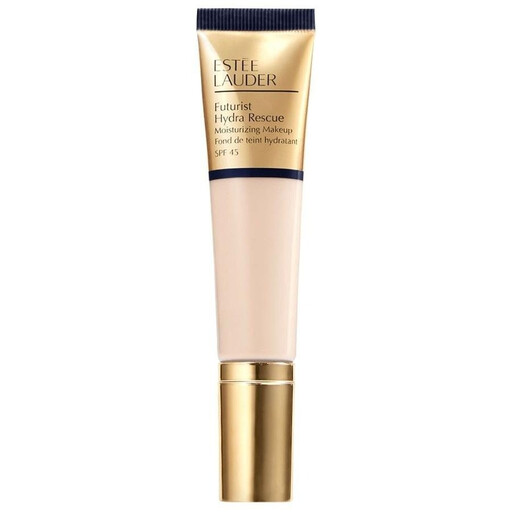
Why this product suits this profile: Its light, neutral shade with a rosy undertone and more natural finish suit anyone looking for buildable coverage without a completely matte result.
The choice takes into account more than just coverage: it also considers finish, undertone and SPF. This makes it less likely that you’ll end up with a finish that’s too matte or a shade that doesn’t suit you.
According to the product description: SPF45, medium-to-full buildable coverage and stated wear of up to 12 hours. The ingredients list also indicates that it contains fragrance.
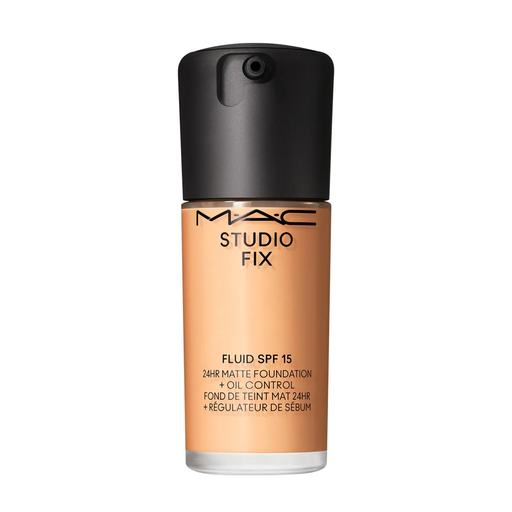
Why this product suits this profile: NC25 is described as a light-medium shade with a golden undertone. Its matte finish and stated shine control make it a good match for long days and combination skin.
Its buildable texture lets you apply a light layer to drier areas and add more where you want extra coverage or less shine.
According to the product description: a matte finish, medium-to-full coverage, SPF15 and stated wear of up to 24 hours.
If you have sensitive skin or are prone to blemishes, it’s best to carry out a patch test first. Stop using the product if you experience redness, stinging or itching.
We’ve put together a complete, regularly updated list of products that fully meet these strict selection criteria and the safety regulations in force in the EU.
Check the period-after-opening symbol and the information on the packaging. Some products, for example, state that they last for 24 months after opening. If the smell, colour or consistency changes, stop using the foundation. Close the bottle after each use and store it somewhere dry, away from direct sunlight.
Matte, oil-free formulas with stated shine control are often suitable for oily or combination skin. However, your skin’s individual reaction is still key. A thin layer, suitable skincare and, if needed, a suitable primer can make more difference to the result than any single marketing claim.
No. SPF in make-up should be treated as an added benefit. For longer periods outdoors or intense sun exposure, you’ll need to apply a separate sunscreen. Also check that the foundation offers the shade, finish and coverage you want.