
Lieferung heute & morgen

Qualitätsgarantie

Willkommens-Angebote freischalten: KOSTENLOSE Lieferung | Bis zu 80 % RABATT | Kostenlose 30-Tage-JoyPlus-Testphase
App herunterladen
As a Joybuy Product Recommendation Officer, I see countless users struggle daily with choosing the right loose powder. The promise of flawless, long-lasting makeup is alluring, but the reality is often quite different. Instead of a perfect complexion, the result can be a mask-like appearance or unflattering effects in photos. Before you make a decision, it's crucial to understand the most common pitfalls that can lead to a bad buy.
The 3 Most Common Mistakes When Buying Loose Powder:
To avoid these problems, you shouldn't be guided by marketing promises, but rather focus on objective product characteristics. Three criteria are of central importance here.
Particle size is crucial for the final result. An ultra-finely milled powder lays on the skin like a delicate, weightless veil. It blends seamlessly with foundation without creating an additional layer or emphasizing pores. Products with coarser particles tend to "sit" on the skin and quickly lead to the dreaded mask-like appearance. Look for descriptions like "weightless texture" or "velvety feel," which often indicate a fine milling grade.
The composition determines the powder's main function. A mattifying powder is the top choice as a powder for oily skin or an anti-shine powder. Ingredients like talc, kaolin, or silica are known for their ability to absorb excess oil and keep the complexion matte for hours.
In contrast, a finishing powder with light-reflecting particles (e.g., mica or synthetic fluorphlogopite) contains tiny pigments that diffuse light. This creates a soft-focus effect that visually minimises pores and fine lines, giving the skin a radiant but not shiny look. Some formulations also contain nourishing ingredients like Vitamin E or plant extracts that protect the skin from drying out.
A translucent powder should ideally not impart any colour of its own and simply set the makeup. Products based on silica or cornstarch are often colourless. However, many "translucent" powders have a white or slightly yellowish base that can become visible on very fair or very dark skin tones. To be safe, look for products explicitly labelled as "photo-friendly" or "no-flashback," or choose a powder with a light tint that matches your skin's undertone.
Based on these objective criteria, we have identified several products that are suitable for specific needs and skin types.
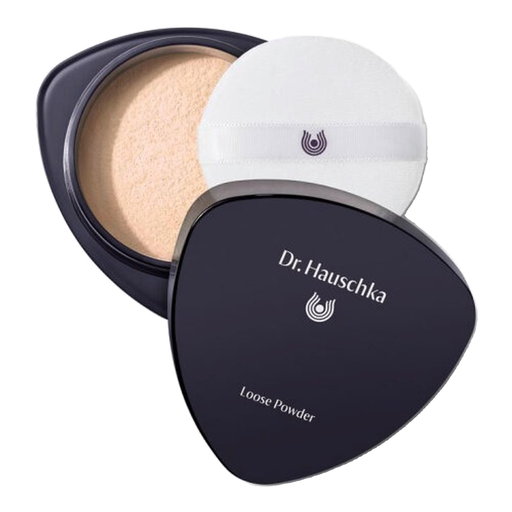
Why This Fits Their Persona: Ideal for users seeking a straightforward product for daily use. The formula with mineral pigments and botanical extracts provides a natural, mattified finish without weighing down the skin.
The fine texture, based on silk powder and tapioca starch, prevents the "cakey" effect and ensures a lightweight feel on the skin.
Formulated with botanical extracts like anthyllis and witch hazel; creates an even-looking complexion.
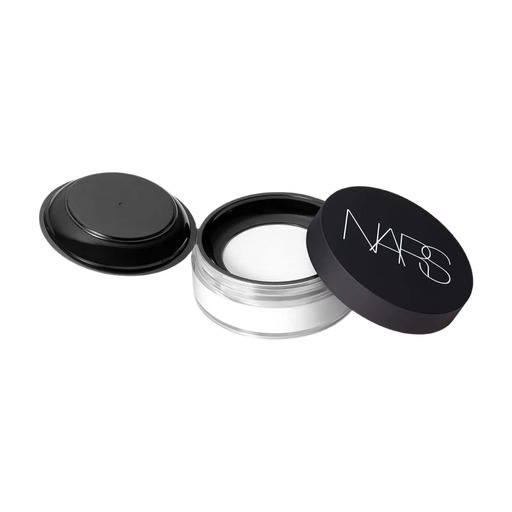
Why This Fits Their Persona: Perfect for users who need a flawless, camera-ready finish for special occasions or professional use. This powder sets makeup and perfects the complexion without being visible.
The "Light Reflecting" technology is designed to diffuse light rather than reflect it, actively preventing the "flashback" effect in photos.
Weightless formula that optically blurs pores and fine lines; provides a luminous finish without adding texture.
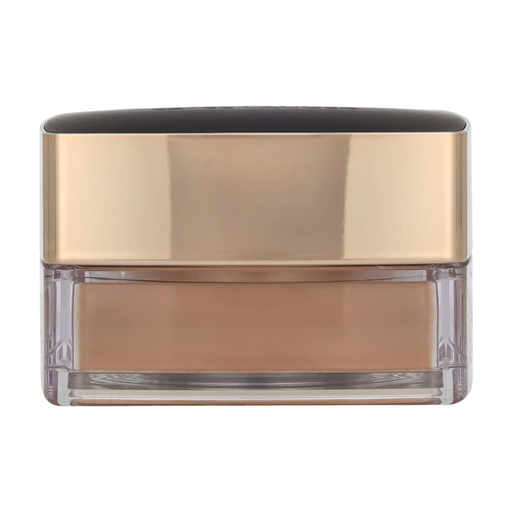
Why This Fits Their Persona: Specifically for users with oily or combination skin whose main goal is to control shine for many hours. The formula is designed to absorb oil and reliably set makeup.
The oil-free and silky texture effectively mattifies without feeling heavy or building up, thus avoiding a "cakey" look even on oily skin.
Long-lasting shine control and an oil-free composition that doesn't clog pores; minimises the appearance of pores.
We have compiled a complete, up-to-date list of products that fully meet these strict selection criteria and current regulations.
The key is in the amount and the technique. Use a large, fluffy powder brush or a powder puff. Pick up a small amount of powder and always tap off the excess before applying the product to your face. Gently press or dab the powder onto the skin instead of wiping. Focus on the T-zone and other areas prone to shine.
Although the terms are often used interchangeably, there is a functional difference. A setting powder is primarily used to set liquid or cream products (like foundation and concealer) and extend their wear time. A finishing powder is applied as the final step to perfect the overall makeup look, blur pores, and achieve a specific finish (e.g., luminous or soft-focus). Many modern products combine both functions.
Yes, people with dry skin can also use loose powder, but they should pay attention to the right formulation and application. Choose a very finely milled powder, ideally with hydrating or nourishing ingredients. Apply the powder very sparingly and only where absolutely necessary, for example, under the eyes or on the T-zone, to prevent concealer from creasing. Avoid heavily mattifying, talc-based formulas, as they can emphasize dry patches.