
Lieferung heute & morgen

Qualitätsgarantie

Willkommens-Angebote freischalten: KOSTENLOSE Lieferung | Bis zu 80 % RABATT | Kostenlose 30-Tage-JoyPlus-Testphase
App herunterladen
Foundation and concealer may look flawless at first, but after a few hours the T-zone can become shiny, the eye area may appear dry or make-up can settle into fine lines. Loose face powder can visibly reduce excess sebum and set liquid or creamy products. However, the brand name is not the only deciding factor: texture, shade, ingredients and application all determine whether a loose powder is genuinely suitable for everyday use.
A transparent face powder should sit as discreetly as possible on different skin tones. However, many products also contain pigments, shimmer or light-reflecting ingredients. Depending on your skin tone, this can make the finish look whitish, yellowish or shimmery. Check whether the shade is described as translucent, “transparent”, Ivory, Banana or coloured.
On very fair skin, a yellowish Banana shade can visibly alter the complexion. A more highly pigmented mineral powder offers greater scope for adjustment, but it is not automatically invisible.
Marketing terms such as “ultrafine” or “weightless” say little on their own about how a product actually performs. If powder for setting make-up is applied generously, it can collect in pores, around the nostrils and under the eyes. Dry areas of skin may look particularly emphasised as a result.
Loose setting powder should be applied in thin layers. A fluffy brush distributes a small amount of product, while a powder puff applies more coverage when pressed onto the skin and is better suited to the T-zone or targeted touch-ups.
A mattifying powder can reduce shine, but it does not replace skincare suited to your skin type. For oily or combination skin, oil-absorbing ingredients such as silica may be worth considering. On dry skin, however, a strongly mattifying product can detract from the desired natural radiance.
“Glow” does not necessarily mean visible glitter either. A finishing powder containing light-diffusing particles can make the complexion appear optically softer, while a setting powder primarily fixes foundation and concealer in place.
Distinguish between three areas of use:
One product can combine several functions. According to the product description of the Estée Lauder Double Wear Sheer Flattery Loose Powder, for example, its texture is designed to control shine, create a matte finish and set make-up.
A colourless loose powder is practical if you want to keep your foundation shade unchanged. Shades such as Medium, Ivory or Sand, on the other hand, can add light coverage. Four-colour correcting powders use a blend of shades intended to balance the overall appearance of the complexion. This is different from a classic transparent face powder.
Pay attention to the stated product quantity: among the products reviewed, the available sizes range from 3.5 g to 30 ml, as well as various quantities specified in grams. A small pot may be sufficient for occasional touch-ups, while frequent users may benefit from a larger quantity.
Read the current INCI list on the packaging, as formulations may change between batches according to the product information provided. Commonly used ingredients include silica, mica, talc, starch and dimethicone, for example. If you wish to avoid fragrance, check specifically for parfum and fragrance allergens that must be declared.
Cosmetics are for external use only. Avoid contact with the eyes. Stop using the product if irritation occurs. Loose powders should also not be inhaled. Close the container after use to help prevent moisture and impurities from getting inside.
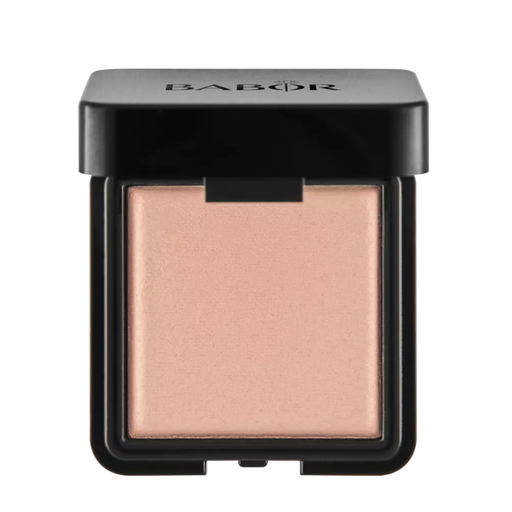
Why this product suits the profile: The small quantity is suitable for occasional use, travel or first experiences with loose powder. According to the product description, it can be used for setting and touch-ups.
The recommended application method calls for a light layer. This makes it easier to control the risk of applying too much powder.
According to the product details, it has a light texture, a natural finish and versatile uses for setting and refreshing make-up.
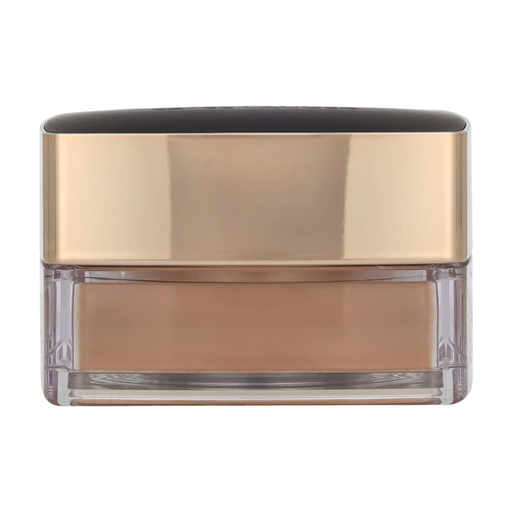
Why this product suits the profile: According to the product description, this oil-free powder is designed to control shine, create a matte finish and set foundation. It contains 9 g.
The stated shade, 040 Medium Matte, helps with selection if you do not want a completely colourless powder. The product description also mentions lightweight application.
Oil-free formula according to the product details; silica and dimethicone are included in the stated INCI list.
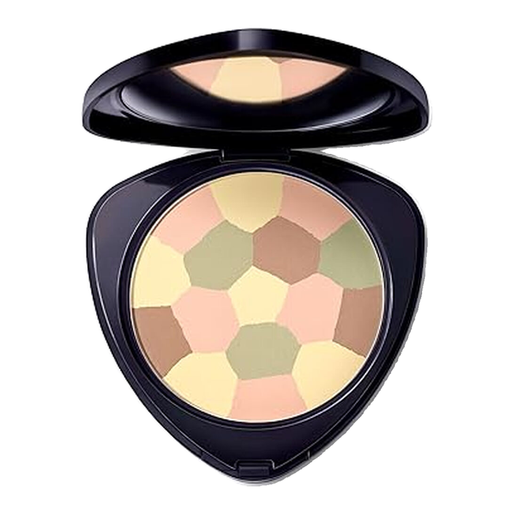
Why this product suits the profile: Dr Hauschka’s four-colour system is interesting for users who want to balance their complexion as well as set their make-up. According to the product details, it contains mineral pigments.
The four shades make the product’s function clear. If you are only looking for a colourless powder, you can choose a single-shade option instead.
Four-colour combination, 8 g content and, according to the product description, suitable for application to the skin or over foundation.
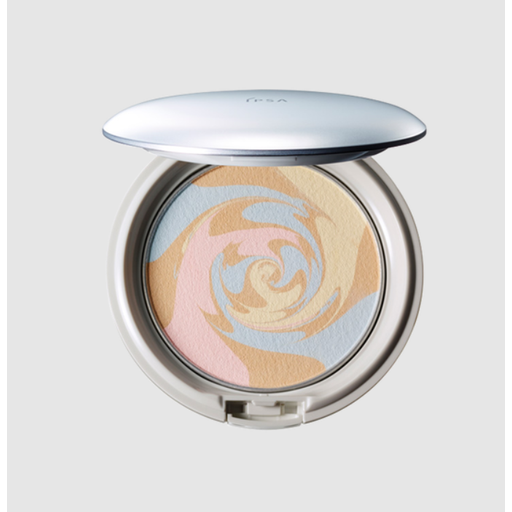
Why this product suits the profile: According to the product description, the powder comes with a puff and is designed for application and touch-ups while you are out and about.
The included accessory means you do not need to carry an additional brush. For an even result, however, it should still be applied sparingly.
Translucent finish, 8.5 g content and a compact case-and-puff combination according to the product details.
If you have dry patches, limit powder application to the forehead, nose and chin. Under the eyes, particularly little product is recommended so that concealer is not unnecessarily emphasised.
We have put together a complete, regularly updated list of products that fully meet these strict selection criteria and the safety regulations applicable in the EU.
For a lightweight result, use a large, soft brush. A puff applies more pressure and product, making it suitable for the T-zone or targeted setting. Powder should always be applied in thin layers.
The best-before date, batch number and the open-jar symbol indicating the period after opening on the packaging are the key references. Store the product in a dry, cool place and keep it tightly closed. If its smell, colour or consistency changes, stop using it.
A powder for oily skin should be applied specifically to shiny areas. Ingredients listed in the product details, such as silica, can help absorb oil. However, your individual skin response, the amount applied and the desired finish remain decisive.