
Lieferung heute & morgen

Qualitätsgarantie

Willkommens-Angebote freischalten: KOSTENLOSE Lieferung | Bis zu 80 % RABATT | Kostenlose 30-Tage-JoyPlus-Testphase
App herunterladen
A well-maintained garden is the result of regular work, where having the right tool plays a crucial role. Tree pruning, in particular, leaves many garden owners asking: which lopper is right for my needs? An unsuitable tool not only makes the work harder but can also crush branches and damage the plant.
This guide will help you understand how different types of loppers work and make an informed decision. We'll introduce you to various models designed for different applications—from powerfully cutting thick branches to the precise care of ornamental shrubs.
The choice of the right model depends on three key factors: the type of material to be cut, the power required, and the working height.
The most common and recommended option for most gardening tasks is the bypass lopper. With this design, two sharp blades glide past each other, much like a pair of household scissors. This creates a clean, precise cut that is gentle on the plant and promotes rapid healing. Bypass loppers are ideal for fresh, living wood.
Anvil loppers, on the other hand, have a single blade that closes onto a solid base (the anvil). They are well-suited for cutting dead or very hard wood as they transfer more force. However, for regular maintenance pruning on living trees and shrubs, they can cause crushing.
Pay attention to the maximum cutting capacity specified by the manufacturer. A lopper for thick branches should have a capacity of at least 3 to 4 cm. The quality of the blade is just as crucial. Blades made of hardened steel, such as SK5 steel, are known for their sharpness and durability. A rust-resistant coating also makes cleaning and maintaining the tool easier.
As your Joybuy Product Recommendation Officer, I have curated a selection of tools that cover a range of gardening needs.
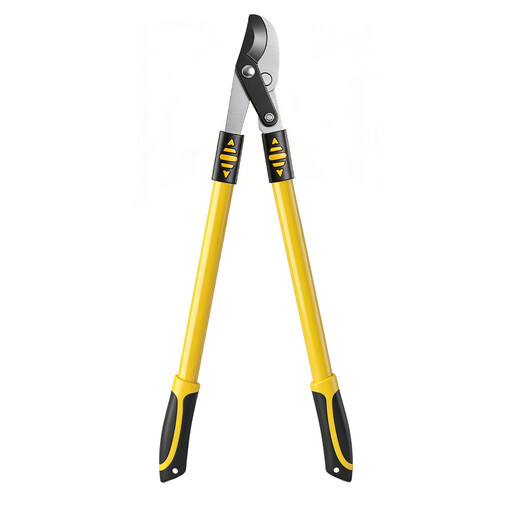
Why it stands out: This manual bypass lopper is a robust and reliable tree pruning tool. Its construction is designed for durability and efficiency to handle even demanding tasks.
Benefits:
Who it's for: Ideal for garden owners with established trees and shrubs who need a powerful, manual tool for the regular pruning of thicker branches.
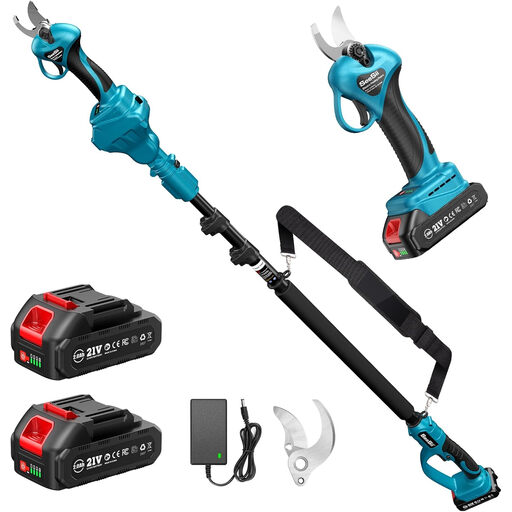
Why it stands out: This 2-in-1 device combines the power of a cordless lopper with the reach of a telescopic lopper. The brushless motor ensures efficient and long-lasting performance.
Benefits:
Who it's for: Perfect for owners of large properties, orchards, or gardens with tall trees. Also a great choice for users who want to minimise physical exertion and avoid using ladders.

Why it stands out: While a lopper handles the heavy-duty work, caring for flowers, herbs, or bonsai requires a more delicate branch trimming tool. This set offers two specialised shears for precise shaping cuts.
Benefits:
Who it's for: An excellent addition for any gardener who values detail work, whether it's tending to roses, trimming ornamental plants, harvesting herbs, or practising the art of bonsai.
If our featured selection doesn't quite meet your needs or if you're interested in other models, you can find a wider variety in our comprehensive category.
? Explore Our Full Range of Garden Shears Here
1. When is the best time for tree pruning? The optimal time depends on the plant species. Most deciduous and fruit trees are pruned in late winter or early spring (January to March) when they are in their dormant phase. Summer-flowering shrubs are also trimmed back in winter, while spring-flowering shrubs like forsythia should only be pruned after they have bloomed.
2. What is the difference between a bypass and an anvil lopper? A bypass lopper has two blades that glide past each other, creating a clean cut. It is ideal for living wood. An anvil lopper has one blade that presses against a flat metal surface (the anvil). It is better suited for dead, dry wood but can cause crushing on living branches.
3. How do I properly maintain my lopper? Clean the blades of sap and debris after each use. A cloth with a little water or rubbing alcohol is usually sufficient. Dry the lopper thoroughly to prevent rust. A drop of oil on the joint and blades will keep the mechanism moving smoothly and protect the metal. Shears with special coatings are easier to maintain.