
Lieferung heute & morgen

Qualitätsgarantie

Willkommens-Angebote freischalten: KOSTENLOSE Lieferung | Bis zu 80 % RABATT | Kostenlose 30-Tage-JoyPlus-Testphase
App herunterladen
A well-maintained garden is the result of regular work, and the proper pruning of trees and shrubs is one of the most important tasks. But anyone standing in front of a shelf of garden tools faces a huge selection: from small rose shears to heavy-duty loppers for thick branches. Choosing the wrong tool often leads to unclean cuts that harm the plant or results in unnecessary strain during work.
This article serves as a practical guide. We'll explain the key features you should look for and present a selection of different models to make it easier for you to choose the right tree pruning tool.
To find the right tool, three criteria are particularly important: the cutting mechanism, the blade material, and the ergonomics of the handles.
The most fundamental distinction in garden shears is the cutting principle.
The quality of the blade determines the durability and cutting performance of the shears. A commonly used and proven material is SK5 steel. This Japanese carbon steel is known for its high hardness and edge retention, meaning the blades stay sharp for a long time. An additional coating (e.g., Teflon or titanium) can reduce friction and protect the blade from rust and sticky sap, making cleaning easier.
Long handles provide greater leverage, allowing you to cut through thicker branches with less effort. Loppers for thick branches typically have handles of 60 cm or more. Rubberized or ergonomically shaped handles ensure a secure grip and reduce hand fatigue during extended use. Shock-absorbing bumpers between the handles can also protect your joints by cushioning the impact at the end of a cut.
Based on the criteria mentioned, we have compiled a selection of tools suitable for various gardening needs.
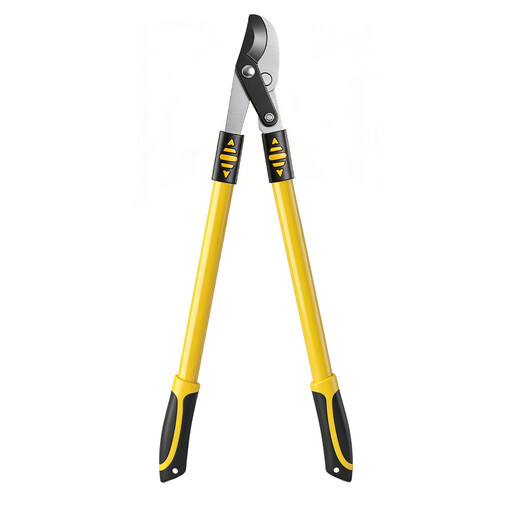
Why it stands out: This tree lopper is designed for power and durability. With a total length of 66 cm (26 inches), it offers excellent leverage. The blade, made of hardened SK5 steel, enables clean cuts, while the shock-absorbing handles enhance comfort during use.
Advantages:
Who it's for: Ideal for home and garden owners with mature trees who need to regularly prune strong branches and are looking for a robust, powerful tool.
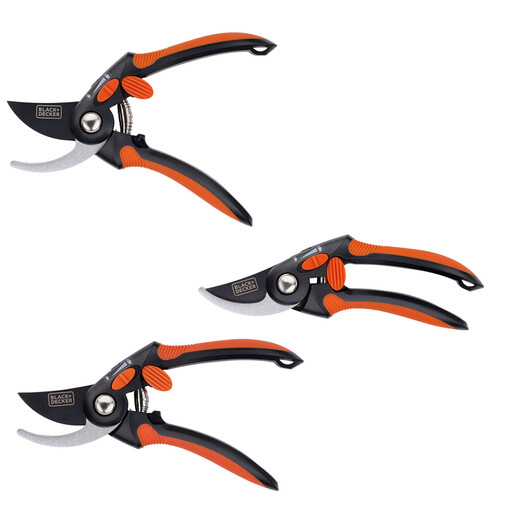
Why it stands out: These classic pruning shears from BLACK+DECKER are a versatile tool for more delicate tasks. The hardened steel blades are coated with a non-stick finish that ensures clean cuts and simplifies cleaning. The ergonomic handle and safety lock make handling comfortable and safe.
Advantages:
Who it's for: Perfect for hobby gardeners who need reliable rose shears or shrub pruners for cutting back perennials, flowers, and thinner twigs.
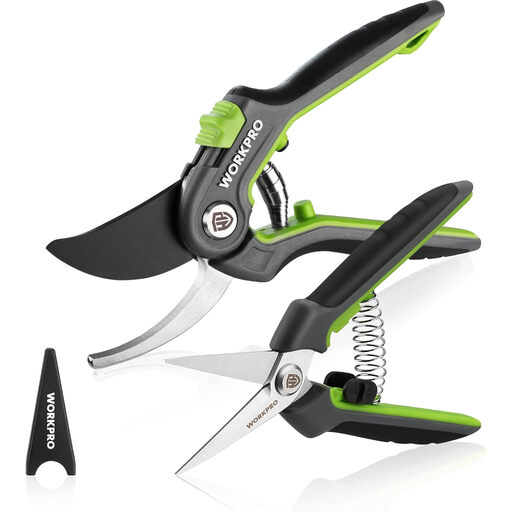
Why it stands out: This garden shears set from WORKPRO offers a practical combination of two tools for different tasks. It includes a 210 mm bypass pruner for stronger twigs and a smaller 160 mm harvesting shear for delicate tasks like cutting flowers or herbs.
Advantages:
Who it's for: An excellent choice for garden beginners or as a supplement for experienced gardeners who need a versatile set for the entire garden—from tree pruning to harvesting.
Every garden is different, and the requirements for the right tool can vary greatly. If the models presented here don't exactly meet your needs, there are many other alternatives to discover.
Discover our full range of hand pruners and find the perfect tool for your specific garden projects.
Good care significantly extends the lifespan of your loppers. Clean the blades of sap and dirt after each use. Then, dry the shears thoroughly to prevent rust. An occasional drop of oil on the joint and blades will keep the mechanism running smoothly. Store the tool in a dry place.
A Bypass lopper works like scissors: two blades glide past each other to create a clean cut. It is ideal for live wood. An anvil shear has only one blade that presses against a flat metal surface (the anvil). It is better suited for dry or dead wood, as it can slightly crush the tissue around the cut.
For branches that exceed the capacity of a normal hand lopper (typically 2-4 cm), loppers for thick branches with long handles or a gear mechanism are the right choice. These amplify the applied force. For branches with a diameter of more than 5 cm, a manual or electric pruning saw is often the more appropriate pruning tool.