
Lieferung heute & morgen

Qualitätsgarantie

Willkommens-Angebote freischalten: KOSTENLOSE Lieferung | Bis zu 80 % RABATT | Kostenlose 30-Tage-JoyPlus-Testphase
App herunterladen
A lotion for face and body sounds practical, but it is not automatically suitable for both areas. Facial skin often reacts more sensitively to fragrance, alcohol or rich textures. The skin on your arms, legs and torso, on the other hand, usually needs a larger amount of product and can often cope with richer formulations.
If you only look for terms such as “glow”, “24-hour hydration” or “natural ingredients”, it is easy to overlook important details. Three common purchasing misconceptions are particularly relevant:
First, check whether the product is specifically intended for the face, body or both areas. A facial lotion is usually formulated to be lighter and is easier to combine with serum, make-up or sun protection. A body lotion or body milk often comes in a larger bottle and is designed for daily use after showering.
For dry skin, ingredients such as glycerin, shea butter, mineral oils, squalane or ceramides may be relevant. They can help care for the skin’s surface. For sensitive skin, a short, easy-to-understand ingredients list is often easier to assess. A fragrance-free lotion can be a sensible option, although it does not replace an individual skin tolerance test.
A non-greasy lotion is suitable for anyone who wants to get dressed straight after applying it. Lightweight gel creams and watery emulsions often work well for combination or oily skin. Richer formulations, on the other hand, are worth considering for rough areas such as elbows, knees or heels.
The term “milky” usually refers to a thin, fluid emulsion. A facial toner is often even lighter, while in the Korean or Japanese skincare system, a lotion can also serve as a hydrating layer between cleansing and moisturiser, depending on the product. The specific product description and INCI list are what matter—not the product name alone.
Look out for:
“Non-comedogenic” does not mean that blemishes are ruled out for everyone. Even a lotion for blemish-prone skin should initially be used sparingly and according to the manufacturer’s instructions. If you experience persistent skin problems, inflammation or severe reactions, it is advisable to seek dermatological advice.
For daytime use, remember that a lotion is not a substitute for sun protection. A separate SPF 50 sun lotion should be applied as needed and according to the instructions, then reapplied regularly.
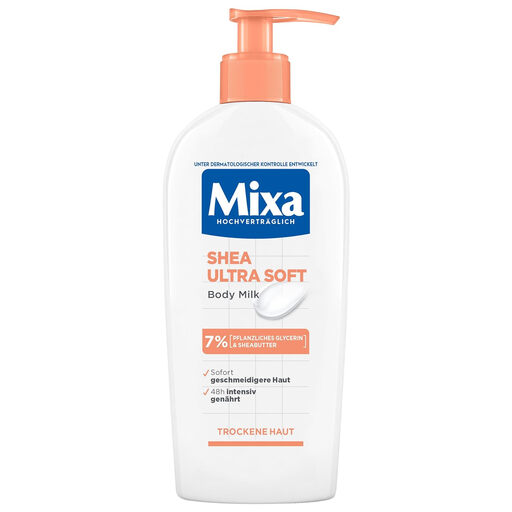
Why this product suits this profile: This body moisturiser is designed for dry, rough skin and can be incorporated into your daily routine using the pump dispenser.
The product description specifies use on the body, as well as shea butter and glycerin. This makes its intended use clearer than with a lotion marketed broadly for both face and body.
250 ml pump bottle, intended for use on the body and a texture that is described as fast-absorbing.
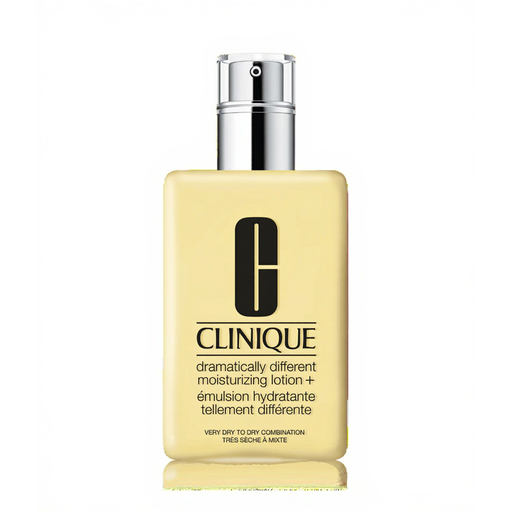
Why this product suits this profile: This facial lotion is described as suitable for very dry to dry combination skin and offers a fragrance-free option for your morning and evening routine.
The product information specifically mentions the face and neck, a fragrance-free formula and non-comedogenic properties. Even so, you should check the ingredients list for any individual intolerances before buying.
125 ml pump bottle, a fragrance-free formula according to the product information, and ingredients such as glycerin, urea and sodium hyaluronate.
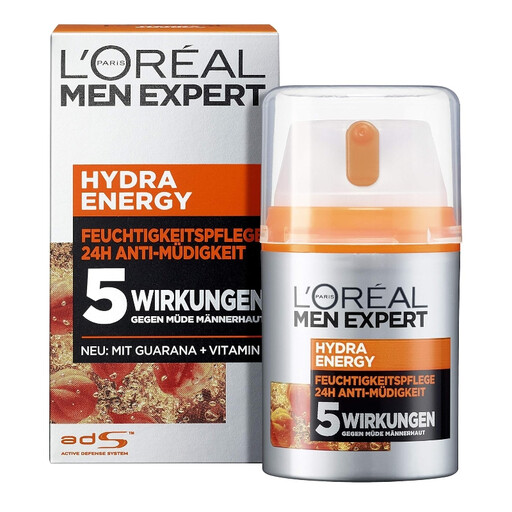
Why this product suits this profile: This lightweight gel cream is ideal for a quick morning routine and, according to the product description, can also be used as an aftershave lotion.
The texture and intended use after shaving are clearly stated. Because it contains alcohol, menthol and fragrance, a cautious tolerance test is advisable if you have sensitive skin.
50 ml format, a fast-absorbing gel cream according to the product description, and suitable for use on the face and after shaving.
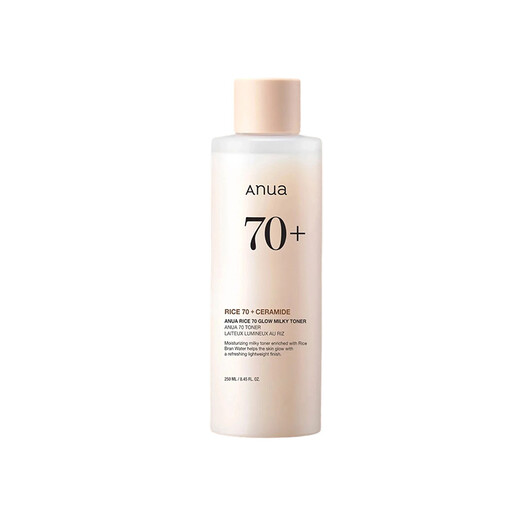
Why this product suits this profile: This milky facial lotion combines the toner step with lightweight hydration and is designed for use in the morning and evening.
The product information mentions a non-sticky texture, as well as ceramides, niacinamide and rice water. A patch test is still recommended for sensitive skin.
250 ml bottle, a milky consistency and ingredients such as glycerin, hyaluronic acid and ceramides according to the product information.
We have put together a complete, regularly updated list of products that fully meet these strict selection criteria and the safety regulations applicable in the EU.
A facial lotion is usually applied after cleansing. Depending on the texture, serum, moisturiser or sun protection can be applied afterwards. A facial toner can be used before a lotion if your skincare routine involves several thin layers. For the body, apply it straight after showering to dry or slightly damp skin.
When using a new lotion for sensitive skin, start by testing a small amount on an inconspicuous area. If redness, itching, stinging or swelling occurs, stop using the product. You will find the period after opening, best-before date and batch number on the packaging. Heat, direct sunlight and frequent opening can affect the product’s quality.
That depends on the formulation. Body lotions often contain fragrance or richer ingredients and are not always intended for use on the face. Always check the stated area of application and the ingredients list.
A moisturising lotion can be used daily after cleansing or showering. If you have dry skin, applying it after washing is particularly beneficial. The manufacturer’s instructions and your individual skin tolerance remain the most important factors.
Check the PAO symbol on the packaging, such as “12M” for twelve months after opening. If the smell, colour or consistency changes noticeably, stop using the product.