Calorie-conscious shoppers doing shorter workouts
You’d like a small snack before a short or moderate workout. Compare the energy per bar and its size rather than relying on a broad claim such as ‘low-calorie’.


Don’t choose a snack bar before a workout based solely on having as few calories as possible. For a light snack, the energy in each bar matters; for a longer or more intense session, so does the amount of carbohydrate. A protein bar may suit you if you’re deliberately focusing on protein, but it isn’t automatically essential. Check the ingredients, warnings and nutrition information for the portion you’ll actually eat.
You’d like a small snack before a short or moderate workout. Compare the energy per bar and its size rather than relying on a broad claim such as ‘low-calorie’.
You’re planning a longer or more intense session. The German Nutrition Society describes carbohydrates as an important part of fuelling exercise, and the consumer advice centre also highlights their importance during longer, more intense activity. A particularly small or low-carbohydrate bar won’t necessarily meet your needs.
You’d like to take protein into account when choosing a snack. Also check the ingredients and allergen information for the specific variety. If a bar contains sugar substitutes, the consumption advice matters too: for example, a Sportness product carries a warning that excessive consumption may have a laxative effect.
First decide how substantial a snack you want before your planned workout. Then compare carbohydrates, protein and ingredients using the same portion size you’ll actually eat.
| Criterion | What to check | Who it matters most to |
|---|---|---|
| Energy per bar | Compare the energy information with the bar’s weight and the amount you plan to eat. | If I only want a small snack before a shorter workout, its portion should fit my calorie target. For around 33 % of consumers, keeping this contribution to calories limited is the main priority. |
| Carbohydrates | Check the carbohydrates per bar, taking into account the duration and intensity of your workout and when you last ate. | Before a longer or more intense workout, I don’t want to choose a snack based only on a low calorie count. Getting enough energy is the main concern for around 27 % of consumers. |
| Protein | Check the amount of protein per portion and compare it with what you already plan to get from your other meals. | I want to include protein in my snack deliberately, without assuming that I need a protein bar. This criterion takes priority for around 20 % of consumers. |
| Ingredients and tolerance | Read the ingredients list, allergen information and any warnings about sugar substitutes on the specific pack. | If I’m sensitive to certain ingredients before a workout or follow a particular diet, the recipe is my priority. For around 20 % of consumers, how well they tolerate a snack is the most important factor in their choice. |
A small bar limits the energy in your portion, but it may not provide the amount of carbohydrate you want for a longer or more intense session. The consumer advice centre highlights the importance of carbohydrates during this type of exercise.
Consider the duration and intensity of your workout and when you last ate before comparing the energy and carbohydrates per bar.
A high protein content doesn’t automatically make a bar the right snack before a workout. The consumer advice centre notes that you can often meet your protein needs through ordinary foods, even when you exercise.
Decide whether you actually want a protein-focused bar, then compare the protein per portion as well as the other ingredients.
The consumer advice centre points out that consuming large amounts of sugar substitutes can have a laxative effect. So a low sugar figure alone doesn’t tell you how well you’ll tolerate a particular bar.
Read the ingredients and consumption advice. Don’t try a new variety for the first time just before an important workout.
Nutrition information per 100 g doesn’t automatically describe the whole bar. When portion sizes vary, this can distort comparisons of calories, carbohydrates or protein.
Use the figures per bar. If only values per 100 g are available, use the stated bar weight to calculate them for your portion.
The brand offers protein bars for people who pay attention to protein when choosing a snack. For its ‘Dein Mix’, Layenberger lists between 15,8 and 16,1 g of protein per bar, depending on the variety.
The Sportness range at dm includes protein and oat bars, among other products. Compare each variety using the information on its own packaging.
The ROSSMANN brand also sells fruit-based bars. ROSSMANN lists fewer than 140 kcal per bar for its mango fruit bar.
This selection includes protein bars and an oat bar in the pack sizes shown. To find the right pre-workout snack, start by comparing individual portions. The label ‘protein bar’ or ‘oat bar’ alone doesn’t tell you whether a product suits your calorie target or energy needs.
 Image unavailable
If you’re considering a protein bar as a snack, start by comparing the individual 55-g bar with the portion size you want.
Pack size: 12 × 55 g. Check the nutrition information per bar, ingredients and allergen warnings for this variety.
 Image unavailable
This protein bar is worth considering if you want to compare an individually portioned snack with other 55-g bars.
Pack size: 12 × 55 g. Compare the energy, carbohydrates and protein for one bar using the nutrition information; also read the ingredients and warnings.
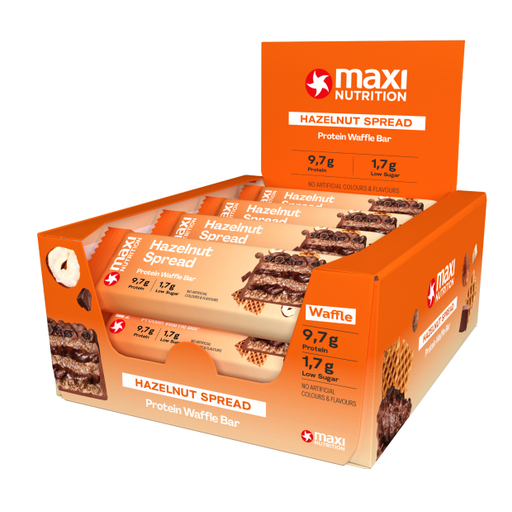 Image unavailable
If you’re looking for a smaller wafer bar to compare with other snacks, this 39-g portion is one to consider.
The product name lists 202 kcal and 25 % protein; pack size: 12 × 39 g. Check the full nutrition information and ingredients for this specific variety.
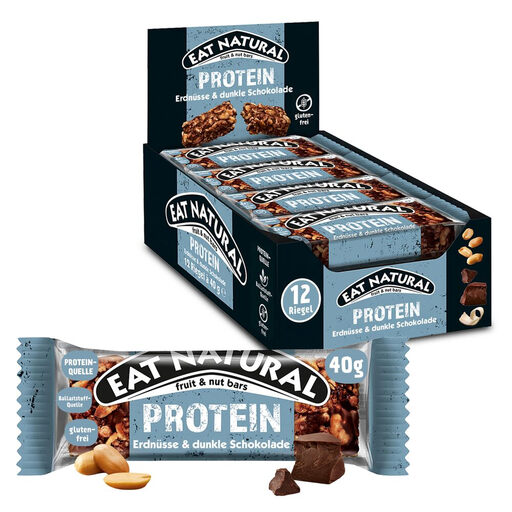 Image unavailable
When comparing a 40-g protein bar with other portion sizes, check the nutrition information for the whole bar.
Pack size: 12 × 40 g. Pay particular attention to the energy and carbohydrates per portion, as well as the ingredients in this specific variety.
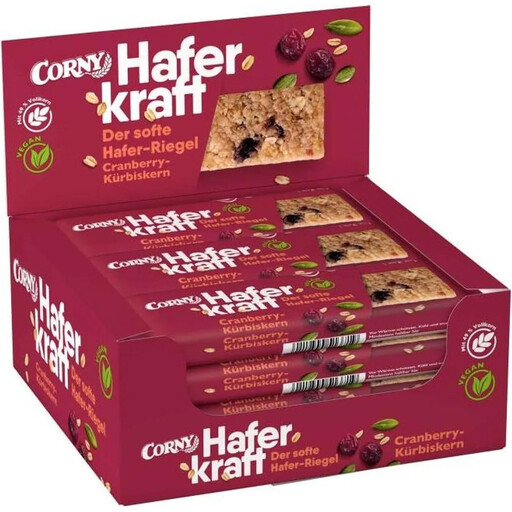 Image unavailable
If you’re considering an oat bar rather than a protein bar, compare its portion with the snack you’re planning to have before your workout.
Pack size: 12 × 50 g. Check the energy and carbohydrates in one 50-g bar, as well as the ingredients and allergen information.
Not necessarily. For a longer or more intense session, carbohydrates may matter more when choosing a snack than keeping the calorie count as low as possible. The German Nutrition Society and the consumer advice centre both highlight the role of carbohydrates in exercise. So compare the bar with the activity you have planned and when you last ate.
A protein bar isn’t essential before a workout. The consumer advice centre notes that you can often meet your protein needs through ordinary foods, even when you exercise. If you do want a bar, compare the protein per portion, energy and ingredients rather than relying on the name on the front of the pack.
First compare the nutrition information for the amount you’d actually eat. Figures per 100 g can also help you compare the recipes, but for your pre-workout snack, the energy, carbohydrates and, where relevant, protein in the bar you eat are what matter most.
Read the ingredients and consumption advice for the variety you’ve chosen, particularly if you haven’t tried it before a workout. The consumer advice centre points out that large amounts of sugar substitutes can have a laxative effect; a Sportness product carries an explicit warning about excessive consumption.