What should you look for when buying?
Start with the bar’s serving size and nutritional information. Then consider your workout to decide whether protein, carbohydrates or the ingredients matter most to you.
| Criteria |
What to check |
Who should pay particular attention? |
| Energy per bar |
Compare the kcal and weight of the portion you’ll eat; information per 100 g alone doesn’t tell you everything about the snack. |
If I’m planning just a small snack, I want to know how much energy the whole bar contains. Around 36% of consumers put this serving-size question first. |
| Protein per serving |
Check the amount in grams per bar and see which ingredients the protein comes from. |
After strength training, I may look for a single-portion protein snack rather than relying on a ‘high protein’ claim. For around 29% of consumers, protein content comes first. |
| Carbohydrates and training volume |
Consider the carbohydrates in the bar and your following meal in relation to the duration and intensity of your session. |
After a longer endurance session, energy intake matters more to me than keeping the serving’s kcal as low as possible. Around 21% of consumers share this priority. |
| Ingredients and tolerance |
Check the ingredients, highlighted allergens, precautionary allergen statements and information about polyols on the current packaging. |
If I need to avoid certain ingredients or am sensitive to sugar substitutes, the product’s composition determines my choice. Around 14% of consumers put this first. |
Brands to consider
The following product ranges offer different bars and ingredient profiles. The nutritional information and ingredients for the specific variety you choose remain the most important things to check.
Premier Protein
The Chocolate Caramel protein bar listed by REWE is a 40 g serving, making it useful for comparing energy and protein per bar.
- REWE lists 135 kcal, 20 g of protein and 0.7 g of sugar per bar.
- The product information lists milk and soya, as well as 9.6 g of polyols per bar; it warns that excessive consumption may have a laxative effect.
REWE PWR
Chocolate Brownie is a protein bar listed by REWE, with each bar weighing 45 g.
- According to REWE, each bar contains 178 kcal, 14.9 g of protein and 1.5 g of sugar.
- REWE lists milk and soya, as well as 14.4 g of polyols per bar; also check the precautionary allergen statements on the packaging.
MAX BALANCE
EDEKA lists both a Lemon Yoghurt protein bar and a Brownie bar labelled vegan. The two varieties should be assessed separately.
- For Lemon Yoghurt, EDEKA lists 50 g of protein per 100 g; the vegan Brownie uses wheat, soya and rice protein.
- According to EDEKA, Lemon Yoghurt contains milk, soya and collagen hydrolysate. The vegan Brownie contains wheat and soya; EDEKA lists it at 367 kcal per 100 g.
ALDI SPORTS
ALDI Nord provides product information for various protein bars under this own brand, including a high-protein bar.
- For the high-protein bar listed, ALDI Nord gives a protein content of 31 g per 100 g.
- The bars documented are marked as special-buy products. Check the information for your chosen variety and its current availability in store.
Snack bars at Joybuy
These products offer a range of single-portion snacks for after a workout: sweet protein bars, a variety labelled vegan and a savoury beef bar. Compare the serving size and current packaging information before choosing a variety.
 No image available
Frankonia Sugar Free Nutrition Bar Chocolate Brownie, 50 g
An individually portioned sweet bar for when you’re planning a small snack after your workout.
If you have a milk or soya allergy, or are sensitive to maltitol, check the current ingredients list and consumption advice.
View at Joybuy
 No image available
Corny Protein Crunchy Vanilla & White Choc, 12 × 45 g
The pack contains twelve individually portioned bars, handy for a snack on the go or after a workout.
If allergens or sugar substitutes are a concern for you, check the ingredients and nutritional information for your chosen variety.
View at Joybuy
 No image available
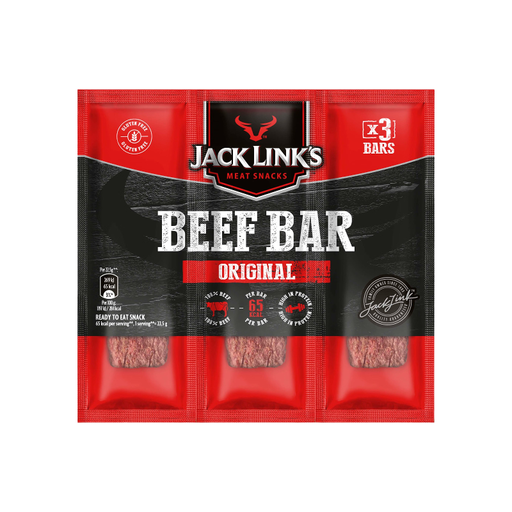
Jack Link's Original Beef Protein Bars, 3 × 22,5 g
A savoury beef bar if you’d prefer a small portion instead of a sweet snack.
The pack contains three bars weighing 22,5 g each. As well as the energy per bar, compare the salt content and check the ingredients list if you have a soya allergy.
View at Joybuy
 No image available
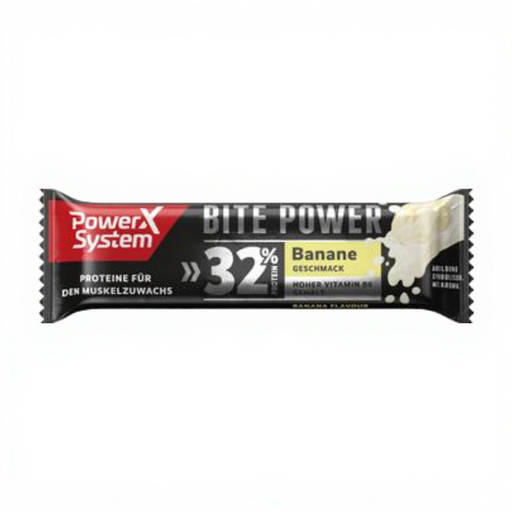
Power System 32 % Protein Bite Power, Banana, 35 g
At 35 g, this bar could suit you as a small post-workout snack if you prefer a clearly defined portion.
For a fair comparison, check the current kcal and sugar per bar, along with the ingredients and allergen information on the packaging.
View at Joybuy
 No image available
Barebells Vegan Protein Bar Peanut Caramel, 12 × 55 g
This variety, labelled vegan, could be worth considering if you prefer a plant-based recipe.
The pack contains twelve bars weighing 55 g each. Check the protein content, ingredients and allergen information on the current packaging, especially if you need to avoid peanuts, wheat or soya.
View at Joybuy
Frequently asked questions
How can I tell how much energy a snack bar actually provides?
Compare the kcal for the portion you plan to eat, and check whether the nutritional information is per bar or per 100 g. For example, REWE lists 135 kcal for a 40 g Premier Protein Chocolate Caramel bar and 178 kcal for a 45 g REWE PWR Chocolate Brownie bar. Protein, sugar and fat are also worth comparing.
Is a low-sugar bar suitable after every workout?
No. A low sugar content alone doesn’t determine whether the bar suits your workout. After longer or more intense endurance activity, you should also consider your carbohydrate intake; according to the German Nutrition Society (DGE), requirements depend in part on body weight and activity levels.
Do I need a protein bar after strength training?
A protein bar isn’t essential. The consumer advice centre points out that active people can also meet their protein needs with everyday protein-rich foods. A bar can be a convenient snack if its portion size and ingredients fit your plans.
Is a protein bar labelled vegan automatically allergen-free?
No. The vegan MAX-BALANCE Brownie bar documented by EDEKA contains wheat and soya protein, and carries additional precautionary allergen statements. If you have an allergy, always check the ingredients and allergen labelling on the specific packaging rather than relying on the word ‘vegan’ alone.


