
Lieferung heute & morgen

Qualitätsgarantie

Willkommens-Angebote freischalten: KOSTENLOSE Lieferung | Bis zu 80 % RABATT | Kostenlose 30-Tage-JoyPlus-Testphase
App herunterladen
By Joybuy Product Recommendation Officer, 10 July 2026
For many people, giving up traditional durum wheat pasta is a key part of a low-carb or gluten-free diet. However, the search for a suitable pasta substitute that delivers on both flavour and texture can be a challenge. The market offers a wide range of options, from vegetable-based noodles to varieties made from legumes or konjac root.
This guide is designed to help you navigate the choices. It introduces different types of low-carb pasta, explains their specific properties, and helps you make an informed purchasing decision that aligns with your personal dietary goals.
Choosing the right pasta alternative depends on your personal preferences and dietary needs. Three criteria are particularly important.
The foundation of a pasta alternative has the biggest impact on its nutritional value, flavour, and consistency.
A close look at the nutrition facts label is essential. Pay special attention to the net carbs content. This is calculated by subtracting sugar alcohols and, in some cases, fibre from the total carbohydrates. For a strict low-carb or keto diet, products with under 5 grams of carbohydrates per 100 grams are ideal. Low-calorie noodles, such as those made from konjac, can also help you achieve a calorie deficit.
Preparation can vary depending on the product. While noodles made from corn or legumes are typically cooked in salted water as usual, konjac noodles require special preparation. They are usually packaged in liquid and should be rinsed thoroughly under cold water before use to remove a slight inherent odour. They are then briefly heated, for example, in a sauce or soup.
Here is a selection of products that cater to different needs—from gluten-free to virtually carb-free.
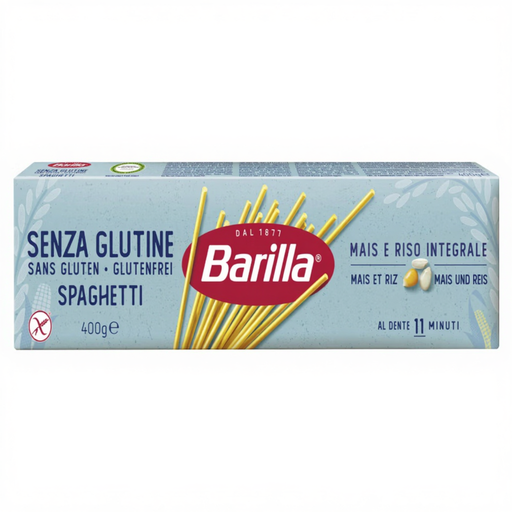
What makes it stand out: This pasta from Barilla is based on a blend of white corn flour, yellow corn flour, and rice flour. It was developed to mimic the classic "al dente" texture of wheat pasta while being gluten-free.
Shop Barilla Gluten-Free Spaghetti Now
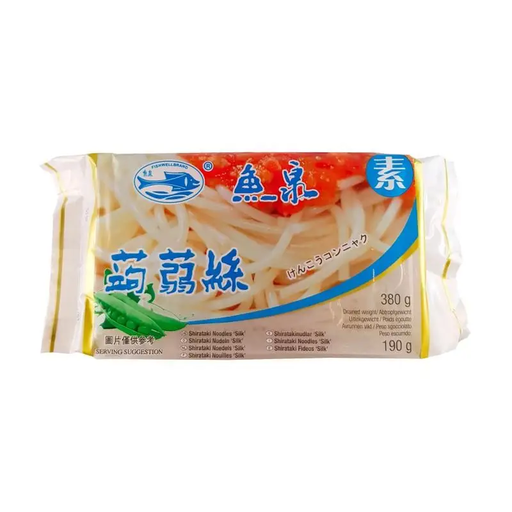
What makes it stand out: These shirataki noodles are made from konjac flour and water. With only 6 kcal and 1.5 g of carbs per 100 g (drained weight), they are one of the lowest-calorie and lowest-carb options on the market.
Shop FISHWELL Konjac Noodles Now
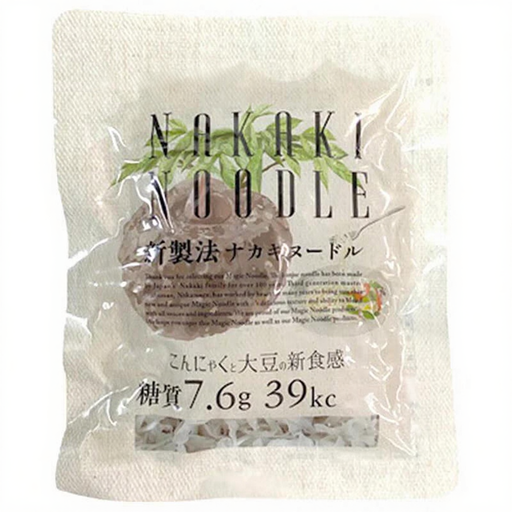
What makes it stand out: This Japanese product combines konjac flour with soybean powder. This blend aims to improve the texture compared to pure konjac noodles and reduce the typical inherent odour. According to the manufacturer, they contain 0 kcal and 0.8 g of carbs per 100 g.
Shop Nakaki Konjac & Soy Noodle Now
The world of pasta alternatives is vast and constantly evolving. In addition to the products featured here, there are numerous other varieties based on different ingredients that offer diverse flavour and texture profiles.
If you want to explore more options for a gluten-free diet, you'll find a wide selection in our range.
Discover More Gluten-Free Pasta Here
The market offers a wide range of alternatives to wheat pasta. The most common include:
Pure konjac noodles are naturally flavour-neutral. Their strength lies in their ability to absorb the flavours of sauces, spices, and other ingredients they are combined with. Some products have a slightly fishy odour when the package is opened, which comes from the alkaline water used for preservation. However, this smell disappears completely when the noodles are rinsed thoroughly under running water before use. Their texture is firm and slightly rubbery, which may not appeal to everyone's taste.
Weight loss is fundamentally achieved through a calorie deficit, meaning you burn more energy than you consume over a sustained period. Low-calorie noodles, especially zero-carb noodles like konjac noodles, can support this process. They allow you to prepare voluminous and filling meals with very few calories. The glucomannan fibre they contain also contributes to a long-lasting feeling of fullness. However, they are not a standalone solution for weight loss but rather a component of a balanced, calorie-controlled diet and an active lifestyle.