Shoppers comparing calories
If you pay attention to energy content in holiday snacks, compare kcal per 100 g and distinguish a lower figure within the category from a ‘low energy’ claim.


When choosing lower-calorie holiday snacks, it’s worth comparing tortilla chips by their energy content per 100 g and the amount actually served. None of the varieties considered here meet the definition of ‘low energy’. Under EU Regulation (EC) No 1924/2006, this claim can only be used for solid foods containing no more than 40 kcal per 100 g. If children are joining in, check the ingredients, allergen information and portion size before serving, too.
If you pay attention to energy content in holiday snacks, compare kcal per 100 g and distinguish a lower figure within the category from a ‘low energy’ claim.
When children and adults are snacking together, setting aside a portion in advance means you’re not relying on an open pack to control how much everyone eats.
For these shoppers, the information on the specific pack matters: the snacks considered here may contain traces of wheat and soya, as well as ingredients derived from milk.
Start by comparing the energy figures for the same quantity. Then decide how much to serve and check that the ingredients and seasoning are suitable for everyone sharing the snack.
| Criterion | What to check | Who it matters to |
|---|---|---|
| Energy content | Compare kcal per 100 g; don’t treat protein or fat figures as the same thing as energy content. | If I want fewer kcal in each snack portion, I need a comparable figure rather than an impression based on the packaging. A lower energy content is the top priority for around 42% of shoppers. |
| Portion size | Compare the pack’s stated portion with the amount that actually goes into the bowl. | When sharing snacks, I want to divide up the amount beforehand rather than keep dipping into the pack. A portion that’s easy to plan is the main concern for around 33% of shoppers. |
| Ingredients and seasoning | Check the ingredients, allergen information and salt per 100 g on the specific pack. | When people with different dietary needs are sharing, I first need to know whether the variety is suitable for everyone. Around 25% of shoppers prioritise this ingredients check. |
A lower fat content doesn’t automatically mean a corresponding drop in kcal, as Verbraucherzentrale NRW explains in its advice on alternative snacks. An organic ingredient doesn’t, by itself, tell you anything about a product’s energy content either.
Compare kcal per 100 g. Under EU Regulation (EC) No 1924/2006, solid foods can only be labelled ‘low energy’ if they contain no more than 40 kcal per 100 g.
Chio lists 148 kcal per 30 g portion for its Tortillas Salted. This figure doesn’t automatically reflect how much you’ll eat when snacking from an open pack.
Put the amount you want into a bowl before serving, then close the pack again. For children, Verbraucherzentrale recommends no more than one portion of sweets or snacks a day as a guide – around a child’s handful.
Among the products considered, Chio Tortillas Salted may contain wheat, EDEKA GUT&GÜNSTIG may contain traces of soya, and the More-Protein snack considered contains soya protein and milk protein.
Before buying, check the ingredients list and allergen information on the specific pack, especially if children with different needs are sharing the snack.
EDEKA notes that the GUT&GÜNSTIG variety considered may not be available in all stores. ALDI SÜD notes that product information may vary between suppliers.
Check availability at your local store and compare any nutritional or allergen information you need with the pack in store.
If your preferred variety isn’t available, you may need to visit another store or choose a different one.
Chio Tortillas Salted are salted corn chips, which Chio also recommends for dipping.
EDEKA describes these salted tortilla chips as coming in a 300 g pack.
According to REWE, these salted organic tortilla chips contain corn, sunflower oil and sea salt from certified organic farming.
ALDI SÜD stocks two different types of snack: SUNSNACKS Salted Tortilla Chips and ALDI SPORTS Protein Chips Paprika.
The Lorenz Crunchips HotPaprika considered here are potato crisps, so they aren’t a like-for-like comparison with tortilla chips.
For holiday snacks portioned out in advance, paprika flips are available here as a crisp-style alternative. They aren’t tortilla chips, so check the information on the specific pack when comparing calories.
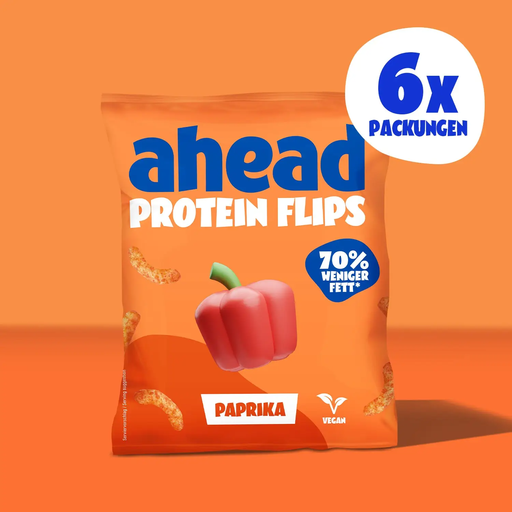 Image unavailable
These paprika flips could work for a snack portioned out in advance, but they aren’t tortilla chips.
Tray of 6 × 50 g. To compare calories, check the energy content per 100 g and, if needed, the ingredients and allergen information on the specific pack.
The tortilla chips considered here don’t meet the threshold for a ‘low energy’ claim. Under EU Regulation (EC) No 1924/2006, this claim can only be used for solid foods containing no more than 40 kcal per 100 g. According to EDEKA, ALDI SÜD, Chio and REWE, the classic varieties considered here contain between 472 and 499 kcal per 100 g.
No. The name alone isn’t enough to draw that conclusion. REWE’s More-Protein tortilla snack contains 415 kcal per 100 g, which is less than the classic tortilla chips considered here but still above the threshold for a ‘low energy’ claim. REWE also lists 3 g salt per 100 g, as well as soya and milk ingredients.
Put the planned amount into a small bowl before eating, rather than leaving the pack open. Verbraucherzentrale recommends no more than one portion of sweets or snacks a day for children as a guide – around a child’s handful. The 148 kcal stated by Chio is specifically for 30 g of Tortillas Salted.
Check the ingredients list and allergen information on the specific pack. According to Chio, its Tortillas Salted may contain wheat; according to EDEKA, EDEKA GUT&GÜNSTIG may contain traces of soya. Soya protein and milk protein are ingredients in REWE’s More-Protein snack.
Follow the storage instructions on the pack and reseal it after portioning. REWE recommends storing its salted organic tortilla chips in a dry place, away from heat and light.