Who is this choice important for?

Families looking to limit fat in snacks

If you’re looking for low-fat dried fruit for day trips or holiday journeys, it’s worth distinguishing fried fruit chips from dried and freeze-dried fruit. EDEKA lists 2.1 g of fat per 100 g for its freeze-dried strawberry slices, compared with 27.8 g per 100 g for its fried banana chips. These figures relate to two specific products and don’t apply to all fruit of these types.

Parents keeping an eye on ingredients and sugar

A short ingredients list can help you distinguish plain fruit from products with added sugar. However, “no added sugar” doesn’t mean “sugar-free”: the Bundeszentrum für Ernährung notes that the fruit’s natural sugars become concentrated as it dries. That’s why the sugar content per 100 g matters too.

Families looking for a crunchy snack to take with them

If you’re after a crunchy alternative to soft dried fruit, you can compare freeze-dried fruit with fruit chips. EDEKA and REWE list freeze-dried fruit in their ranges. To decide whether a particular snack fits your fat limit, always check its ingredients and nutritional information.

What should you look for when buying?

Start by choosing the texture you want for your holiday snack. Then compare the fat and sugar content per 100 g for the specific products, and plan how you’ll portion them out while you’re on the go.

What to consider What to check when buying Who it matters most to
Fat content Compare the fat content per 100 g and check the ingredients list for added oil. The Verbraucherzentrale explains that solid foods can be labelled “low fat” if they contain no more than 3 g of fat per 100 g. If I specifically want a low-fat option for a day out, the words “fruit chips” aren’t a substitute for comparing nutritional information. Around 42% of consumers prioritise this.
Sugar and ingredients Check the sugar content per 100 g, and look for added sugar or syrup in the ingredients list. “No added sugar” doesn’t tell you the total sugar content. For my snack box, I want to know whether I’m choosing plain fruit or a sweetened option, so I can plan the amount accordingly. Around 33% of consumers prioritise this.
Portion size and practicality Check the pack size and storage instructions for after opening. For a trip, you can portion out a serving in advance. On a longer journey, I don’t want an open pack to encourage constant snacking. Portioning is the deciding factor for around 25% of consumers.

Common buying mistakes

  • Assuming crunchy fruit chips are always low in fat

    How they’re made makes a difference: EDEKA’s fried, sweetened banana chips contain coconut oil and, according to EDEKA, 27.8 g of fat per 100 g. That’s above the level the Verbraucherzentrale gives for solid foods to be labelled “low fat”.

    When choosing fruit chips, compare the fat content per 100 g and read the ingredients list rather than deciding based on the type of fruit alone.

  • Assuming “no added sugar” means low in sugar

    Fruit sugars become concentrated as fruit dries. REWE says its REWE Beste Wahl freeze-dried fruit mix is made from fruit, yet it contains 69 g of sugar per 100 g.

    Use the ingredients list to check for added ingredients and the nutritional information to check the total sugar content. Take both into account when planning portions.

  • Sending an open bag as an all-day snack

    For sweet snacks, the Bundeszentrum für Ernährung recommends set snack times and breaks between meals to give teeth a rest. Repeatedly snacking from one pack doesn’t fit with this approach.

    Portion out a serving for the journey or day out in advance, rather than making the whole bag available as a snack.

  • Assuming online information applies to every pack

    ALDI SÜD notes that its dried cranberries may come from different suppliers, which can mean variations in nutritional values. So, when choosing a product, check the information on the pack you’re actually buying.

    Check the ingredients, nutritional information, allergen labelling and pack size, especially if particular ingredients are important to you.

Brands to consider

Seeberger

Seeberger offers classic dried fruit, as well as soft and freeze-dried varieties. Its range gives you a choice of different textures from one brand.

  • Seeberger’s range includes sultanas and freeze-dried fruit; the brand states that its sultanas have no added sugar.
  • The range also includes sweetened and candied products, as well as fruit chips. Check the ingredients and fat content of each product individually.

REWE Beste Wahl

REWE Beste Wahl’s freeze-dried fruit mix is an option for anyone comparing crunchy fruit mixes.

  • REWE lists 2.8 g of fat per 100 g for this fruit mix.
  • According to REWE, the same mix contains 69 g of sugar per 100 g. So the fat content alone doesn’t tell you whether it’s right for your snack portion.

EDEKA Herzstücke

With EDEKA Herzstücke, it’s worth comparing specific product types: freeze-dried strawberry slices and fried banana chips differ considerably in their ingredients and fat content.

  • According to EDEKA, the freeze-dried strawberry slices contain strawberries only and have 2.1 g of fat per 100 g.
  • The fried, sweetened banana chips contain coconut oil and 27.8 g of fat per 100 g. EDEKA also advises that the information on the individual product packaging should be used when making a purchase.

Alesto

At Lidl, Alesto’s range includes dried fruit, such as mango strips, alongside nuts and other snacks.

  • Lidl describes its Alesto mango strips as having no added sugar.
  • The brand name alone doesn’t tell you the fat content or ingredients of other Alesto snacks. Check the individual pack.

FARMER NATURALS

ALDI SÜD’s own-label range includes dried fruit such as dried cranberries and prunes.

  • ALDI SÜD lists 0.9 g of fat per 100 g for its dried cranberries.
  • For the same product, ALDI SÜD lists 72 g of sugar per 100 g and notes that nutritional values may vary between suppliers.

Dried fruit at Joybuy

This selection includes dried jujubes and dried white peach for holiday snacks. For each product, check the specific ingredients and nutritional information to see whether it fits your preferred fat and sugar profile.

Haoxiangni Grade A No-Wash Jujubes, 500 g

Haoxiangni Grade A No-Wash Jujubes, 500 g

An option for anyone considering jujubes as a dried fruit to take on the go. The pack contains 500 g; portion some out before your day trip if you like. Check the fat and sugar information on the specific pack.

View at Joybuy

Haoxiangni Grade 2 Fresh-Locked Pitted Red Dates Original Flavour, 280 g

Haoxiangni Grade 2 Fresh-Locked Pitted Red Dates Original Flavour, 280 g

These pitted red dates are worth considering if you’d prefer a snack without stones. The pack contains 280 g. Before buying, compare the nutritional information and ingredients with your criteria for a holiday snack.

View at Joybuy

Changsi Dried Red Dates, 500 g

Changsi Dried Red Dates, 500 g

Another option to compare if you’re looking for dried red dates for snack breaks. The pack contains 500 g. Before taking them on the go, check the pack for preparation instructions and whether the fruit is pitted.

View at Joybuy
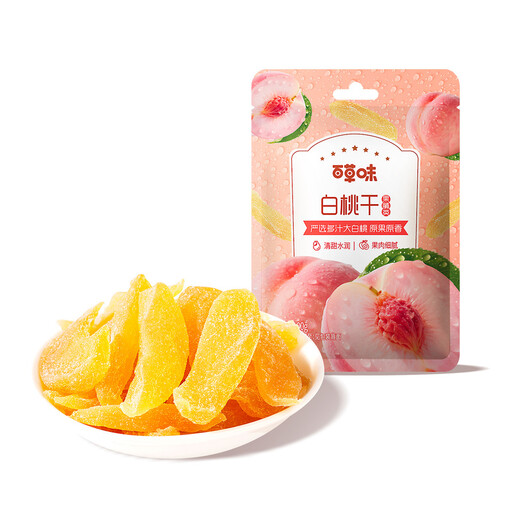
Be&Cheery Dried White Peach, 100 g

Be&Cheery Dried White Peach, 100 g

Dried white peach offers a different fruit option from the jujubes in this selection. The pack contains 100 g. Use the ingredients list and fat and sugar information to decide whether this product meets your criteria.

View at Joybuy

Frequently asked questions

When can a solid dried fruit snack be labelled low fat?

The Verbraucherzentrale explains that solid foods can be labelled “low fat” if they contain no more than 3 g of fat per 100 g. Check the nutritional information for the specific product: you can’t tell its fat content from the words “dried fruit” or “fruit chips”.

Are banana chips a low-fat alternative to dried fruit?

Fried banana chips aren’t automatically low in fat: according to EDEKA, its EDEKA Herzstücke fried banana chips contain coconut oil and 27.8 g of fat per 100 g. For other banana chips, check the ingredients and fat content rather than assuming all products with this name have the same nutritional values.

Does “no added sugar” also mean low in sugar?

No, this label doesn’t describe the total sugar content. The Bundeszentrum für Ernährung notes that fruit sugars become concentrated in dried fruit. For example, REWE lists 69 g of sugar per 100 g for its freeze-dried fruit mix. Check the nutritional information as well as the ingredients list.

How can you portion dried fruit for a holiday journey?

Portion out the planned snack before setting off, rather than leaving an open bag available for constant snacking. For sweet snacks, the Bundeszentrum für Ernährung recommends set snack times and breaks between meals to give teeth a rest.

What should you check about sulphite labelling and storage?

If sulphites are a concern for you, check the ingredients and allergen labelling on the specific pack. Also follow its storage instructions. For example, REWE advises storing its freeze-dried fruit mix in a dry place away from heat and sealing it well after opening.