For your child’s nursery lunchbox, the nutrition information on the specific pack is more useful than a general claim such as ‘reduced fat’: compare fat and sugar per 100 g, as well as the ingredients list. Dried fruit with a low stated fat content can still contain a lot of sugar, so decide on a portion size and, if necessary, check for sulphites, nut content and a form that’s suitable for your child.
What different shoppers should check
Parents keeping an eye on fat content
If you’re looking for dried fruit without a nut-and-fruit mix for your child’s lunchbox, compare the fat content per 100 g on the specific packs. A low figure alone doesn’t tell you how much sugar it contains or what’s in it.
Families with questions about ingredients and allergens
If sulphur dioxide or sulphites need to be avoided, or the nursery asks for ingredient information, check the labelling on the actual pack. The colour of the fruit is no substitute for checking.
Families planning portions
You can decide on a portion size before packing dried fruit as a snack in your child’s lunchbox. It’s also worth checking ‘of which sugars’ per 100 g: removing the water concentrates the sugar in dried fruit.
What to look for when choosing
First, compare the same nutrition information per 100 g. Then consider the ingredients, nursery requirements and the form that’s right for your child to decide whether a particular type is suitable for their lunchbox.
| What to check |
What to look for when shopping |
Who it matters most to |
| Fat content |
Compare fat per 100 g on the pack and distinguish plain dried fruit from mixes containing nuts or other ingredients. |
If I’m specifically looking for a low fat content, I don’t want to rely on the product name. This comparison is a priority for around 36% of consumers. |
| Ingredients and allergens |
Read the ingredients list and allergen information, particularly for sulphur dioxide or sulphites, and check these against the nursery’s requirements. |
If certain ingredients aren’t suitable for my child, I need clear labelling. This check is a priority for around 29% of consumers. |
| Sugar and portion size |
Compare ‘of which sugars’ per 100 g and decide how much to pack in your child’s lunchbox before you put it in. |
For my child’s lunchbox, I want to know how much of the sweet dried fruit I’m actually packing. Around 21% of consumers prioritise the sugar information and portion size. |
| Pack size and shopping |
Check whether the pack size and the information on the pack available to you suit how you plan to use it. |
If I want to pack the same type regularly, I need a suitable pack whose information I can check in store. For around 14% of consumers, this practicality is the main concern. |
Common shopping mistakes
-
Assuming low fat means low sugar
These figures describe different nutritional values. ALDI SÜD lists its FARMER NATURALS dried prunes as containing 0.5 g of fat and 42 g of sugar per 100 g; these figures apply to this specific product, not to all dried prunes.
Compare both fat and ‘of which sugars’ on the same 100 g basis, and decide on the lunchbox portion separately.
-
Trying to identify unsulphured fruit by its colour alone
Colour is no reliable substitute for checking the label. Lebensmittelklarheit gives ‘contains sulphur dioxide’ and ‘contains sulphites’ as examples of relevant statements; EDEKA lists sulphites in its dried fruit mix.
Check the ingredients and allergen information on the pack, and discuss any specific requirements with the nursery.
-
Treating nut-and-fruit mixes like plain dried fruit
A mix may contain different ingredients and allergens from a single type of dried fruit. The kindergesundheit-info.de portal also warns against giving whole nuts to young children because of the risk of choking.
Read the full ingredients list, consider your child’s age and the form of the food, and check the nursery’s rules before packing a mix.
Brands and ranges to consider
Brand names alone tell you little about the fat content or ingredients of a particular dried fruit. The examples below show which differences within each range are worth checking on the pack.
Seeberger
The Seeberger range includes various dried fruits, as well as fruit crisps and fruit products with added ingredients.
- Seeberger’s range includes unsweetened pineapple, unsulphured apricots and sweetened cranberries.
- Banana and coconut crisps, as well as sweetened products, are also part of the range. Check the information for the variety you choose rather than assuming its nutritional values from the brand name.
EDEKA Herzstücke
One dried fruit mix from this own-brand range contains, among other things, apricots, prunes and apple rings.
- EDEKA lists this dried fruit mix as containing 0.3 g of fat per 100 g and provides the ingredients.
- The listed ingredients include sunflower oil and potassium sorbate; sulphur dioxide or sulphites are also declared. Check the labelling on the pack you buy.
FARMER NATURALS
ALDI SÜD sells dried prunes under this own brand, including in a 500-g pack.
- For this dried prune product, ALDI SÜD lists 0.5 g of fat and 16 g of fibre per 100 g.
- According to ALDI SÜD, the product may come from different suppliers; the nutrition information on the specific pack is what matters.
Alesto
Lidl’s range includes dried fruit, as well as nuts and snack mixes.
- Lidl gives mango strips as one example from its dried fruit range.
- Nuts and mixes are different types of product from plain dried fruit. Compare the ingredients, allergens and nutrition information for each individual item.
Dried fruit at Joybuy
This selection includes jujubes, dried mango and pitted prunes to compare fat content, sugar information and ingredients. For your child’s nursery lunchbox, it’s also important to check the pack’s labelling and choose a suitable form.
 No image available
Haoxiangni Grade A No-Wash Jujubes, 500 g
This 500-g pack is worth considering when comparing individual dried fruits and checking fat content and ingredients.
- The ingredients list states 100% jujube; the stated values are 0 g of fat and 55.2 g of sugar per 100 g.
- Decide on a lunchbox portion and, before serving, check whether there are stones and what form is suitable for your child.
View at Joybuy
 No image available
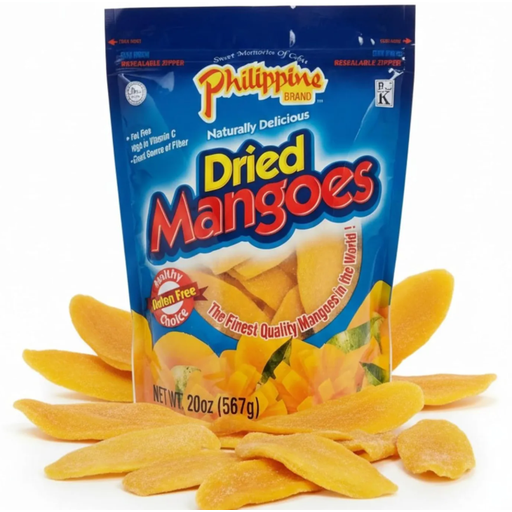
PHILIPPINE BRAND Dried Mango, 100 g
This dried mango can be included in a fat comparison, but it’s not suitable if you’re looking for mango without added sugar or sulphites.
- The stated values are 0 g of fat and 56 g of sugar per 100 g; the pack contains 100 g.
- The ingredients are mango, 25% sugar and sodium metabisulphite. Check the sulphite labelling and the nursery’s requirements.
View at Joybuy
 No image available
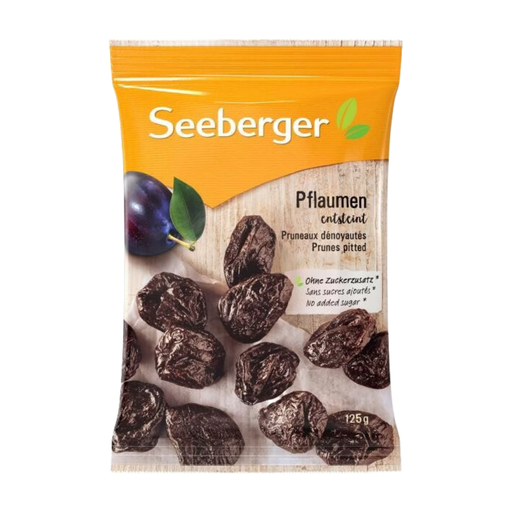
Seeberger Soft Pitted Prunes, 125 g
This 125-g pack is suitable for comparing pitted prunes with stated fat and sugar values.
- The stated values are 0.4 g of fat and 26 g of sugar per 100 g; the ingredients are prunes and potassium sorbate.
- According to the product description, occasional fragments of stone may remain despite the prunes being pitted. Check the fruit before packing it.
View at Joybuy
 No image available
Seeberger Soft Pitted Dried Prunes, 500 g
This 500-g pack is worth considering if you want to portion out the amount for individual lunchboxes yourself.
- The stated values are 0.4 g of fat and 26 g of sugar per 100 g; the ingredients are prunes and potassium sorbate.
- The product description also notes that fragments of stone may be present in this pitted variety. Check the fruit before packing it.
View at Joybuy
 No image available
Changsi Dried Red Dates (Jujubes), 500 g
This 500-g pack is another jujube option for comparing ingredients, fat content and sugar information.
- The ingredients list states 100% jujube; the stated values are 0.6 g of fat and 56 g of sugar per 100 g.
- Decide on a portion and, before serving, check whether the fruit contains stones and how it can be prepared for your child.
View at Joybuy
Frequently asked questions
Does dried fruit have to be labelled ‘reduced fat’?
No. To compare dried fruit for your child’s nursery lunchbox, you can use the stated fat content per 100 g. Also check ‘of which sugars’, the ingredients and, where relevant, any nut content; a single marketing claim is no substitute for this information.
How can I tell whether dried fruit has been treated with sulphites?
Check the ingredients list and allergen labelling rather than relying on the colour. Lebensmittelklarheit gives ‘contains sulphur dioxide’ and ‘contains sulphites’ as examples of relevant statements; sulphites are specifically listed for EDEKA’s dried fruit mix.
Is unsweetened dried fruit automatically low in sugar?
No. Even without added sugar, dried fruit contains the natural sugars in the fruit in concentrated form. Compare ‘of which sugars’ per 100 g and decide how much to pack in your child’s lunchbox.
Are nut-and-fruit mixes suitable for a nursery lunchbox?
First check the ingredients, your child’s age and the nursery’s rules. The kindergesundheit-info.de portal warns against giving whole nuts to young children because of the risk of choking; you should also check the declared allergens in a mix.


