Campers prioritising fat content
If you’re looking for a bar with as little fat as possible to take on the journey or an excursion, compare the figures per 100 g rather than relying on the front of the pack alone.


If keeping fat to a minimum is your main priority, check the fat content per 100 g on solid snack bars: under EU Regulation (EC) No 1924/2006, a ‘low fat’ claim requires a maximum of 3 g of fat per 100 g. For a camping trip, you should also consider sugar, ingredients and allergens, as well as packaging and a best-before date that suit your trip.
If you’re looking for a bar with as little fat as possible to take on the journey or an excursion, compare the figures per 100 g rather than relying on the front of the pack alone.
If you’re taking packaged snacks for the duration of your trip, check the best-before date, storage instructions, that the packaging is undamaged and how many bars you’ll need.
As well as the fat content, check the ingredients and allergen information on the specific pack. Claims such as ‘vegan’ or ‘gluten-free’ answer different questions from those about fat content.
First, decide whether fat content is your main priority. Then compare the other nutritional information and check that the packaging and storage instructions are suitable for your trip.
| Criterion | What to check | Who it matters most to |
|---|---|---|
| Fat content | Compare fat per 100 g for similar types of bar. Under EU Regulation (EC) No 1924/2006, solid foods can contain no more than 3 g per 100 g to be labelled ‘low fat’. | I mainly want a low-fat bar, and I can’t tell from terms such as ‘light’. For around 36% of consumers, fat content is the main priority. |
| Portability and shelf life | Check the best-before date, storage instructions, condition of the packaging and how many bars you’ll need. If necessary, check whether the bars are individually wrapped. | On a multi-day trip, I want to take only as many bars as I can store and use appropriately. This is the most important consideration for around 29% of consumers. |
| Other nutritional values | Check sugar and energy per 100 g, as well as fat. The serving size can help you compare bars of different sizes. | Low fat alone isn’t enough to help me choose; I also want to understand the other nutritional information. Around 21% of consumers consider this their top priority. |
| Allergens and dietary requirements | Check the ingredients list, allergen labelling and, where applicable, precautionary ‘may contain’ information on the specific pack. | If I can’t tolerate an ingredient or follow a particular diet, the specific variety needs to meet my requirements. This takes priority for around 14% of consumers. |
A bar can contain less fat than a comparable product and still exceed the threshold for a ‘low fat’ claim.
If you’re looking for a low overall fat content, check the figure per 100 g. Under EU Regulation (EC) No 1924/2006, solid foods can contain no more than 3 g of fat per 100 g to be labelled ‘low fat’.
These claims answer different questions. EDEKA states that its organic sesame crunch bar contains 32 g of fat per 100 g, while RAWBITE gives 23 g per 100 g for its Peanut variety.
For nut and seed bars, too, compare the fat content of the specific variety and check the ingredients and allergens if needed.
A highlighted feature is no substitute for checking the full nutritional information and ingredients. The Verbraucherzentrale recommends checking nutritional information even when a product is promoted for its fat or sugar content.
Before buying, check fat and sugar per 100 g, as well as the ingredients, allergens and best-before date.
According to the Bundeszentrum für Ernährung, the best-before date applies to the typical characteristics of food that has been stored correctly and remains unopened.
Choose a quantity that suits the length of your trip and the number of people travelling with you. Also follow the storage instructions and check that the packaging is in good condition.
The range includes sesame crunch bars, among other products. The variety itself matters when choosing, not just its organic certification.
RAWBITE makes fruit and nut bars. The characteristics described by the manufacturer for one variety don’t necessarily apply to every bar in the range.
CORNY describes its range as including various muesli bars. To compare fat content, check the nutritional information for each individual variety.
These cereal and muesli bars could be suitable for taking on a camping trip. If you’re looking for a ‘low fat’ option, check the fat content per 100 g on the current pack for each variety. Their inclusion here does not mean they are low in fat.
 No image available
An option if you’re looking for an oat and cocoa bar to take with you. Before buying, confirm the pack size of the specific variety. For your camping trip, also check the fat content, allergens, storage instructions and best-before date on the pack.
 No image available
This pack could be a handy option for taking individual portions on a trip. The product name specifies 12 bars of 50 g each. Compare the fat content per 100 g, and if you have a peanut allergy, check the labelling on the specific pack.
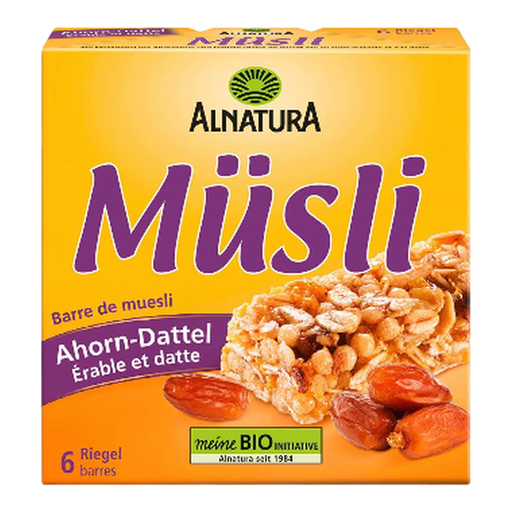 No image available
This pack contains six 25 g bars, making it easy to plan a smaller portion for an outing. The nutritional information, ingredients and allergen details on the pack will help you decide whether it suits your fat target and dietary requirements.
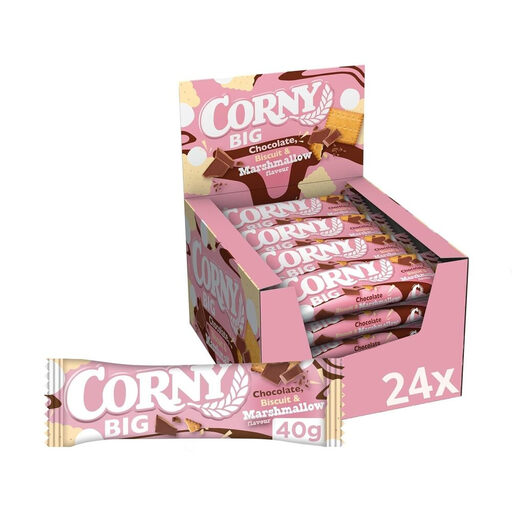 No image available
This pack of 24 bars, each weighing 40 g, could be useful when planning several outings. Choose a quantity to suit the length of your trip, and check the fat content, storage instructions and best-before date on the specific pack.
 No image available
This pack of six 20 g bars offers small portions for when you’re out and about. The ‘no added sugar’ claim in the product name says nothing about fat content. Compare fat and sugar separately, and check the allergen information on the pack.
Under EU Regulation (EC) No 1924/2006, solid foods can contain no more than 3 g of fat per 100 g to be labelled ‘low fat’. Check the nutritional information on the specific pack.
No. A claim about added sugar doesn’t tell you anything about the fat content. Check fat and sugar separately per 100 g. The Verbraucherzentrale also recommends checking the full nutritional information when products carry claims like these.
Store unopened bars according to the instructions on the pack, and take the best-before date into account when planning your trip. According to the Bundeszentrum für Ernährung, this date relates to the product’s typical characteristics when the packaging is unopened and it has been stored correctly.
No. Check the ingredients and allergen labelling on the specific pack. If you have a nut, peanut or sesame allergy, also look out for relevant precautionary ‘may contain’ information.