Shoppers with a strict fat limit
For them, the fat content per 100 g is the starting point. Claims such as ‘organic’, ‘vegan’ or ‘no added sugar’ don’t tell you how much fat a bar contains.


Don’t choose a snack bar based on a ‘free from’ claim alone. Compare the fat content per 100 g and check separately which ingredient or property you need to avoid. Under EU Regulation (EC) No 1924/2006, a solid bar can only be described as ‘low fat’ if it contains no more than 3 g of fat per 100 g. Gluten-free, vegan and no added sugar do not automatically mean low fat. If you have a specific allergy, the ingredients, emphasised allergens and possible traces are also important.
For them, the fat content per 100 g is the starting point. Claims such as ‘organic’, ‘vegan’ or ‘no added sugar’ don’t tell you how much fat a bar contains.
Check that each flavour has the exclusion claim you need. The ingredients list, emphasised allergens and any precautionary trace warnings are just as important as the fat content.
If you’re looking for a vegan, lactose-free or no added sugar option, don’t assume this also means the bar is low in fat.
First, check whether you need to avoid a particular ingredient. Then compare the nutrition information per 100 g; looking at the serving size alone makes it harder to compare bars of different sizes.
| Criterion | What to check | Who it matters most to |
|---|---|---|
| Fat content | Compare the fat content per 100 g. For solid foods, the limit for a ‘low fat’ claim under EU Regulation (EC) No 1924/2006 is no more than 3 g per 100 g. | If I need to stick to a strict fat limit, I don’t want a small bar to seem suitable just because of its serving size. Around 36% of shoppers prioritise a fat limit when choosing what to buy. |
| Allergens and gluten | Decide which exclusion claim you need, then check the ingredients, emphasised allergens and any possible traces for the specific flavour. | If I have a specific allergy or gluten requirement, I need a claim that matches exactly what I must avoid. This is the top priority for around 29% of shoppers. |
| Sugar and energy | Also compare ‘of which sugars’ and energy per 100 g, along with the ingredients list. ‘No added sugar’ is no substitute for this information. | As well as the fat content, I want to see how the bar’s sugar and energy levels fit with my choices. Around 21% of shoppers prioritise this comparison. |
| Ingredient preferences | Check claims such as ‘vegan’ or ‘lactose-free’ for each flavour, and assess them separately from the fat content. | If a particular diet or choice of ingredients matters more to me, a low fat content alone isn’t enough. Around 14% of shoppers put this preference first. |
Gluten-free, vegan and no added sugar don’t describe a bar’s fat content. If you’re specifically looking for a solid bar that qualifies as ‘low fat’, check the fat content per 100 g.
Check the nutrition table, then look for the specific exclusion claim you need.
A fruit bar may contain nuts, and a vegan claim doesn’t automatically rule out other allergens or possible traces.
Read the ingredients and allergen information for each flavour rather than assuming a whole brand shares the same properties.
A single marketing claim doesn’t show how the fat, sugar and energy levels compare. The Verbraucherzentrale recommends checking marketing claims against the nutrition information.
Compare the nutrition information per 100 g and check the ingredients list too.
Alnatura describes the Alnavit apple and cinnamon fruit bar as gluten-free and lists dates, almonds and dried apples among its ingredients.
RAWBITE lists dates, almonds and cashews as the main ingredients in its bars.
dm-drogerie markt describes the listed MadeGood mixed fruit granola bar as nut-free, gluten-free and soya-free.
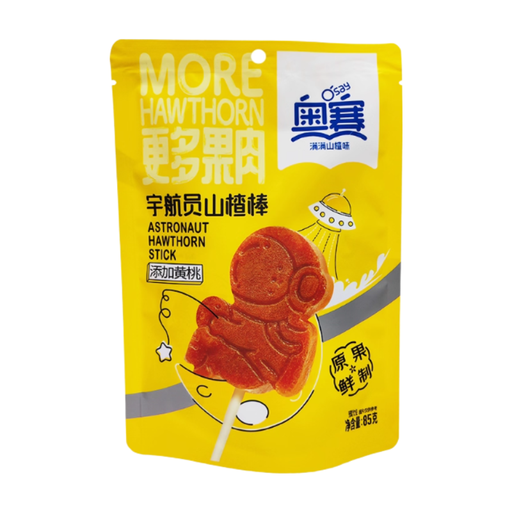
This hawthorn bar is included as an option for comparing bars with fat content in mind. Check the pack’s labelling to see whether it also meets your specific ‘free from’ requirement.
 No image available
If you’re watching your fat intake, compare the fat content per 100 g. If you need to avoid gluten or a specific allergen, also check the ingredients, the relevant exclusion claim and any possible traces on the pack.
For solid foods, EU Regulation (EC) No 1924/2006 allows a ‘low fat’ claim when a product contains no more than 3 g of fat per 100 g. So compare the amount per 100 g, not just the amount per bar.
No. A no added sugar claim doesn’t tell you how much fat a bar contains. Check the fat and ‘of which sugars’ figures separately in the nutrition table.
An explicit gluten-free claim is more helpful for this choice than simply not spotting an obvious gluten-containing ingredient in the list. Check the labelling on the specific flavour. EU Implementing Regulation No 828/2014 governs claims about the presence or absence of gluten in food.
No. A vegan bar may contain nuts or other ingredients you need to avoid. Check the full ingredients list, emphasised allergens and any trace warnings for every flavour.